1 Post Office Road

Waldorf, MD 20602

Open 6 Days a Week

Schedule Appointment

How to Maintain Mobility as You Age

Maintaining mobility as we age might be one of the most important health goals we could have as we go through life. After all, movement is required to continue to enjoy our hobbies and activities, interact with the environment, maintain social connections, work, exercise and keep our brains healthy. What you’re probably wondering now is, how to maintain mobility as you age?

Let’s start by clearing up a common misconception that flexibility and mobility are interchangeable terms. They are not. Flexibility refers to the range of motion of a joint. Mobility, on the other hand, refers to the degree of function and control over that joint and its range of motion. An example could be that a person has the range of motion (flexibility) to bend down, but doesn’t quite have the control (mobility) to squat down and lift their toddler grandchild off the ground.


Focus Less on Flexibility and More on Mobility

One of my colleagues, Brian Morrison, D.C. lectures often on the subject of mobility. He once pointed out in a lecture that elite athletes usually have average flexibility but exceptional levels of strength, power, endurance and balance. He also talked about how the average person doesn’t need more range of motion (flexibility); just better performance and control of the range of motion that they have (mobility)… like elite athletes. The same thoughts could apply to maintaining mobility as we age.


Why do Mobility Issues Occur?

Basically, there are three causes of mobility issues:

  • Normal Aging – after the age of 30, we begin losing muscle mass, bone density and flexibility.
  • Poor Diet – our muscles and joints need the proper nutrition to function well.
  • Pain from Injuries – we often experience pain as a result of injuries from car accidents, sports, or repetitive stresses like sitting for hours in front of a computer.


[Related – The Importance of Chiropractic on Stress Relief]


Pain Avoidance Leads to Declining Movement

Once we begin developing pain in specific areas or joints, we may start to avoid certain movements or activities. This type of avoidance can lead to weakness, loss of control and stability, and decline in coordination and balance. Pain may start with an injury, but its continuance doesn’t always mean a joint or muscle should not be moved. Also, hurt does not always equal harm. So, it is not necessarily good to let the fear of pain cause you to move less and less.


Creating a Nerve and Motor Pattern Helps Movement

One of the keys to maintaining mobility is finding the right way to rehabilitate or condition the weak area. During therapy, we want a person in the zone of what we call “The Edge.” This means they should find the movement challenging, with little or no pain, and be able to keep good form. Here’s an example:

Let’s say a person has difficulty rising from a chair. Perhaps they are weak and it is painful in their knees and back. The typical exercise that would strengthen those areas and involve the right joints would be squatting. However, squatting is too difficult and painful. As a solution, we might have them stand by the back of their couch and flex at the hips pushing their butt back until it hits the back of the couch. They may be able to do this movement pain free and successfully while still feeling challenged working the muscles.

When this becomes easy, we may have them do this on a slightly lower target. After a period of time practicing, they may be able to squat, hitting their butt on the back of a chair. The next thing you know, they are able to get up and down out of a chair quite easily!

This works because performing a movement sequence well creates a nerve and motor pattern that makes it easier and easier to painlessly repeat. Nerves that wire together fire together! The alternative is avoidance, which leads ultimately to being more and more sedentary. That is no fun!


What Can You Do?

There are several things you can do to help maintain your mobility as you age.how to maintain mobility as you age

  • Chiropractic Manipulation – stimulates the brain to reset the perception of pain. It also turns down the part of our nervous system that perceives threat. Decreasing the perception of threat decreases the perception of pain.
  • Exercise Regularly – contributes to slowing both cognitive and balance decline in the elderly.
  • Reduce Stress – helps your body experience less pain and move well. The body produces cortisol in response to stress and cortisol inhibits the body’s own pain relieving neurotransmitters. Yoga and meditation are great ways to reduce stress!
  • Eat Well and Get the Right Nutrition – ensures you get enough protein to maintain muscle mass and strength, and enough vitamins and minerals for your bones and joints.


Remember, moving better keeps us engaged in life, prevents injury, relieves pain, slows the effects of aging and helps us to enjoy that mind-body connection. Hopefully, you now have better insight to answer the question how to maintain mobility as you age. Start working today on maintaining your mobility and you’ll enjoy the rewards later in life. If you’re already advanced in years, it’s never too late to start.

Fall Fitness Activities for Any Fitness Level

I just recently returned from a vacation in the Azores. This is one of Portugal’s two autonomous regions, consisting of a series of nine volcanic islands. Although these beautiful islands allow for plenty of high-energy activities, such as biking and hiking, my friend and I were commenting on how anyone could enjoy the beauty of the majestic Azores Islands no matter their age or fitness level. This is because some of the most beautiful vistas we saw were simply when we pulled off to the side of the road at a lookout.

After returning home to fall being in full blast, I started thinking about how it’s my favorite time of year to get out and enjoy nature. The weather is not-too-hot, not-too-cold, not to mention the colors! So I thought I might share some fall fitness activities that all involve getting out of your house, moving around and enjoying the outdoors, with options for any fitness level. As you will soon see, there are so many things to do outdoors in and around Maryland to help you stay fit in the fall.

Take a scenic drive and explore the destination

My absolute favorite thing anyone can do in the fall is take a scenic drive down Skyline Drive. Some people don’t realize it, but you can reach Skyline Drive from our area in just over an hour (assuming you go on the weekend when there is no rush hour traffic). The nearest entrance is Front Royal, but my favorite entrance is Thornton Gap. Thornton Gap is a little over two hours away.

  • Depending on which way you approach the entrance, you can stop at Thornton River Grille in Sperryville, Virginia. There, you’ll find a cute restaurant, a delicious, more casual pizza place and the cutest little country store.

Embrace your inner tourist

Don’t forget you live in a place where people from all over the world dream of visiting!  If you’ve never had a chance to visit the museums and monuments in DC, take advantage of the off season and lack of summer crowds and do it while it’s nice out. Get a little outdoor fitness AND a little culture all in one day!

Plan a day of hiking

I love a good hike because I can simultaneously get active physically and calm down mentally– nature is just so peaceful. We have several nearby hiking options at a wide range of intensity levels. Here are some of my favorites: 

  • If you are pretty fit, not too far away you can hike the famous 9-mile Old Rag trail. This is one of the most beautiful and enjoyable hikes within driving distance of us. Fall is the perfect time to do it since the not-too-hot weather helps ease the difficulty of the hike.
  • If you want a bit of a strenuous hike that is closer, try walking along the rapids of the Potomac River at Great Falls on the Billy Goat Trail Section A. An added perk of this trail? You can head across the street afterward to The Old Angler’s Inn and have a glass of wine or hot chocolate around the outside fire pit to reward yourself and relax.
  • fall fitness activities, things to do in Maryland, outdoor activities, experience fall
    Rose River Loop

    If you’d prefer a more moderate hike, I recommend the 3.6-mile Rose River Loop near Skyline Drive. This trail goes along waterfalls and the Rose River for nearly continuous views of running water.

  • fall fitness activities, things to do in Maryland, outdoor activities, experience fall
    Stoney Man Trail

    If you want something even easier, Stony Man Trail leads you to a beautiful vista and only takes about an hour to complete. However, if you decide to hike Stony Man, keep in mind that no pets are allowed.

  • If you really prefer avoiding going up or down hill, there are some really nice nature trails at both Skyland Resort and Big Meadows, along Skyline Drive. Anyone who can walk can do these trails.


RELATEDGain Peace, Happiness, and Better Health from Meditation


Hit up your local farmer’s market

We have plenty in our area, but if you want to take a little adventure into the city, my favorite is Eastern Market. There, you can get beautiful flowers, fresh seasonal fruits and vegetables, and homemade cheeses. You can even find vendors that sell beautiful jewelry, pottery and art.

Hop on your bike and hit the trails

We have several great destinations and bike paths for outdoor fitness in the area:

  • If you head to nearby Cedarville State Forest, you can find trails that range from very, very easy to a little rolling up and down through the woods.
  • The 11-mile Three Notch Trail is another paved trail that runs from Hughesville to Lexington Park.

So whether you’re a fitness connoisseur or you’re just looking to step outside the house for a bit, there are many ways to enjoy fall. I hope some of these fall fitness activities inspire you to get active and enjoy the fall season in more ways than just drinking your pumpkin latte! But hey, you can always bring it with you.


10 Wonderful Ways Yoga Improves Your Health

Have you noticed how good you feel after practicing yoga? Your whole body and mind are completely relaxed. Not only does it make you feel good, but there are many health benefits of yoga.

I love yoga because it’s all about living – and practicing – your best life. It’s a total mind-body workout that combines strengthening and stretching with deep breathing and meditation. So it’s an effective way to stay healthy and happy – every day.

Did you know yoga has been around for more than 5,000 years and there are more than 100 different forms? Some are face-paced and intense. Others are gentle and relaxing. There’s a good reason that more than 20 million Americans practice yoga.

If you’re new to yoga, I encourage you to start slowly and build. I think you’ll be amazed at the effects regular practice will have on your body and mind.

If you practice regularly, you’ve probably noticed the many health benefits of yoga, including sleeping better, getting fewer colds and just feeling more relaxed and less stressed.

Poor Posture Can Equate to Lower Back Pain

lower back painLower back pain….I can’t tell you how many people I’ve met through my years practicing chiropractic that suffer from this.  As with the neck and middle back, posture is a huge contributor.  The good news is that there is a lot that you can do to impact your lower back posture and reduce your pain – not to mention get people around you to think you’ve grown taller!

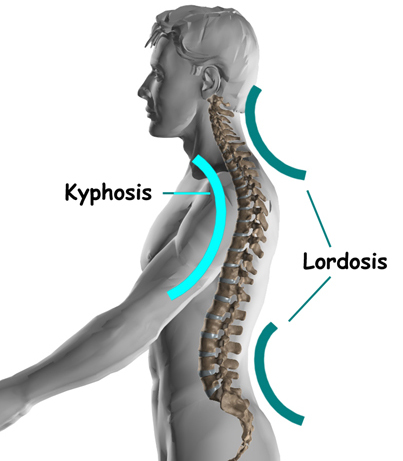
For my final posture blog, I want to address the low back posture.  Normal posture of the low back should include a nice C curve, with the arc of the C facing forward when looking from the side.

“Sway” back

By far the most common postural problem in the low back is the anteriorly tilted pelvis. This can make someone appear as though they are scooping their butt up and back and sticking their stomach out in the front.  This posture is sometimes referred to as “sway ” back.

Attitude of Gratitude

November is known as a time when many focus on Thanksgiving and gratitude.  But perhaps being grateful every day of the year can serve a greater purpose and have a profound impact on your life?

Sunsets..always grateful for these

Nearly 800 years ago, the great poet Rumi wrote the words “Wear gratitude like a cloak and it will feed every corner of your life.”  Gratitude is a fundamental concept in almost all ancient and modern spiritual teachings.  It is the foundation of most positive psychology and personal growth movements.

I find it interesting that Rumi chose the word “feed” to say that gratitude can affect every corner of your life.  When something nourishes you, it is an essential aspect of growth, wellbeing and vitality.  Just as your body needs nutrients from food, every aspect of your life (and every cell of your body) can be nourished by gratitude.