1 Post Office Road

Waldorf, MD 20602

Open 6 Days a Week

Schedule Appointment

How to treat hunchback (and what causes it to begin with)

You may know it as a “Dowager’s Hump”…or simply hunchback. You may think it only affects senior citizens. The reality is that hunchback, or hyperkyphosis as it is professionally called, is affecting more and more people of varying ages. I often get asked about how to treat hunchback and if there is anything that can be done to prevent it.


Understanding hyperkyphosis (hunchback)

Physicians refer to the chronic, forward-leaning posture as hyperkyphosis. This condition is characterized by a rounding of the upper spine into a C-shaped curvature. If you have poor posture, over time you can develop an abnormal curve of the upper thoracic vertebrae and a sometimes a mass of tissue at the lower part of your neck. Typically, you have a head forward posture and loss of the normal cervical curve.

The severity of the condition can vary as can the symptoms, including:

  • rounded shoulders or a hump on the back
  • back or neck pain or stiffness
  • feeling of head being too heavy or fatigued muscles in the back or neck
  • tension headaches

Both men and women are susceptible, with an increased occurrence during middle-age.


What Causes Hunchback

how to treat hunchbackBad posture is the most common cause. You’ve heard me talk about posture before and how much it impacts your health. With the increased use of smartphones, tablets and laptops, many people are in a slouched head forward position for hours a day, not to mention if their desktop computer is not set up ergonomically correct.

With a hunchback condition, your head is jutting forward, putting a lot of stress on the base of your neck. How much stress? Well, for every inch your head protrudes forward from its normal alignment, an extra 10 pounds of force is placed on your neck! Studies show that a loss of cervical curve as well as hyperkyphosis can reduce conductivity of the spinal cord as well as reduce lung capacity!

Poor posture can also develop from:

  • slouching or hunching, such as at a computer or in front of a TV
  • leaning back in chairs
  • carrying heavy loads on your back, such as a backpack full of books

If you develop hunchback from poor posture, the condition can often be corrected through exercise and practicing good posture. Some individuals develop more severe hyperkyphosis as a result of:

  • Compression fractures/osteoporosis
  • Congenital problem
  • Loss of postural muscle tone with aging – it’s estimated that 20 to 40 percent of older adults have hyperkyphosis.

Maintaining good posture is the best way for you to prevent hunchback. Core-strengthening exercises can be beneficial too.


Stretches to treat hunchback

Depending on your age and the severity, you can improve or reverse your hunchback. The key is to strengthen the upper back muscles as well to reduce the head forward posture and restore the cervical curve. Increasing muscle tone helps pull back the shoulders and put the head back on top of the shoulders. Just understand that even with practicing good posture and doing specific exercises, hunchback won’t go away overnight. It may take months of effort. And waiting too late to deal with it could mean that you’ll never completely get rid of it.

These exercises are excellent for improving your condition…but they are great preventatives too!


Chin tuck

Hold your head level, tuck your chin slightly and bring your head back directly over your shoulders (like you are a cobra about to strike). This is not an up or down movement, it’s straight back, so your nose should not tip down but stay level. You can do this exercise just about anywhere to help with your posture. Do chin tucks in sets of ten, rest and repeat.


Upper back stretch

Face a wall and place your hands flat against it above your head. Keeping your neck neutral, sink down into the stretch, being sure not to let your head drop as you’re doing this stretch. Keep your ears in line with your shoulders. After about 10-20 seconds, sink further into the stretch. Repeat several times.


Wall pushups

Again, face a wall with your hands head-level and shoulder width apart. Do a traditional push-up, making sure not to let your chin drop. You’ll feel the scapula in your back come together as you lean towards the wall. Do pushups in sets up ten, take a break, then do another set.


Finally, as an augment to exercises, we highly recommend this wedge, which we sell in our office. The Apex Premium with Heat counteracts forward head posture to help relieve headaches and neck pain. The wedge not only provides better support but also moist heat therapy. Patients rave about it! It’s well worth the $35 investment.

If you’d like some help getting started with treating hunchback at home or wonder if chiropractic treatments can aid the reversal (they can), please reach out and make an appointment to meet with myself or Dr. A.

Dr. Sharman


How to Give the Gift of Wellness

Gift giving is a challenge – especially for those in your life who basically have all the “stuff” that they need. So why not consider giving the gift of wellness this holiday season?

Here are three ideas for wellness gifts that the special people in your life are sure to enjoy! And all can be purchased at our office.


The gift of….better sleep!

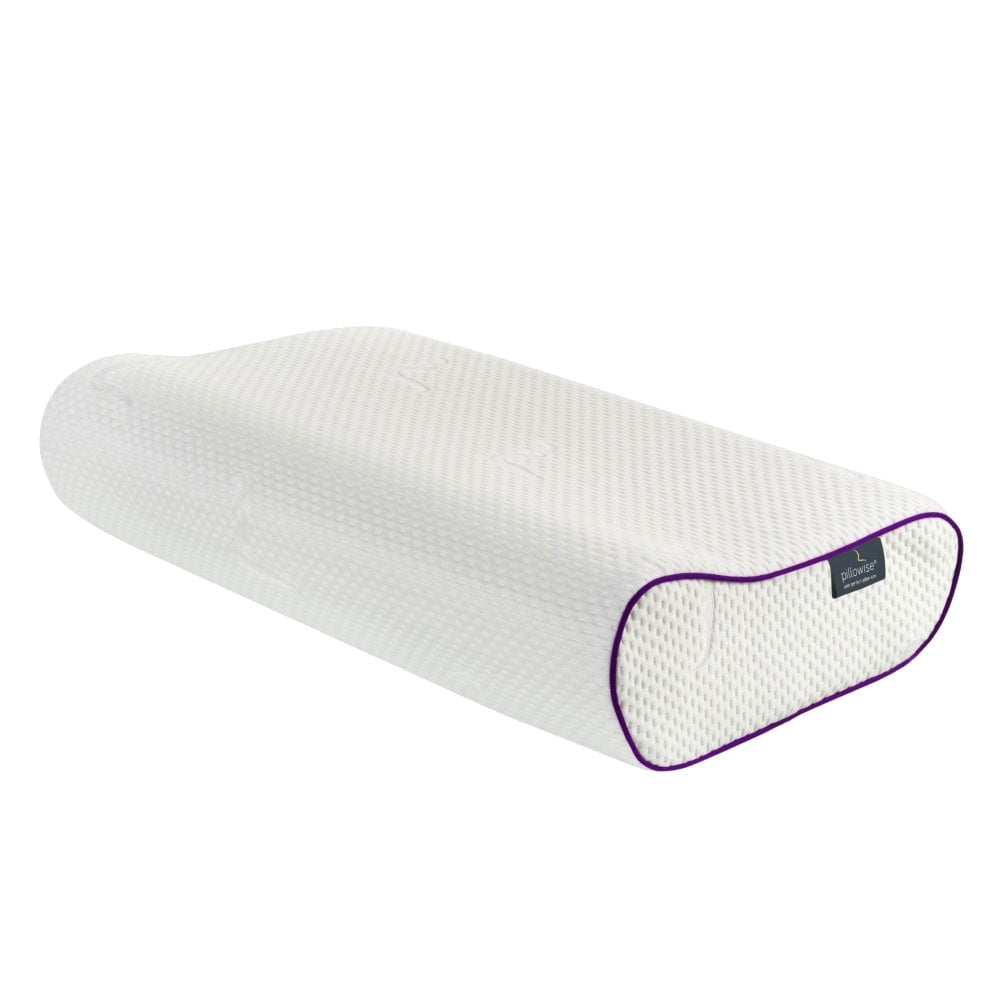
Product: Pillowise Cervical Pillow

Cost: $119

More details: https://pillowise-usa.com

gift of wellnessOne of the issues I hear the most about from patients is poor sleep. For many, getting a good night’s sleep is worth its weight in gold! So it’s natural that the perfect pillow is one of my first wellness gift recommendations.

Pillowise Cervical Pillows are measured to fit your body – essentially, they are custom designed for YOU. We fit the pillow to your body at our office by taking measurements along with asking a series of questions about your sleep habits and environment. Most custom pillow products offer a few sizes while Pillowise has six! The Pillowise system yields the perfect pillow fitted to your dimensions, with optimal support to the cervical spine and head.

This attention to “fit” allows your muscles to relax during sleep…and provides the optimal resting space for your head and neck so you can have quality sleep. Our patients love them so much they often buy a travel size pillow too!

Pillowise has a money-back guarantee, and we have samples in the office so stop by and feel just how comfortable these pillows really are.


The gift of….reduced pain!

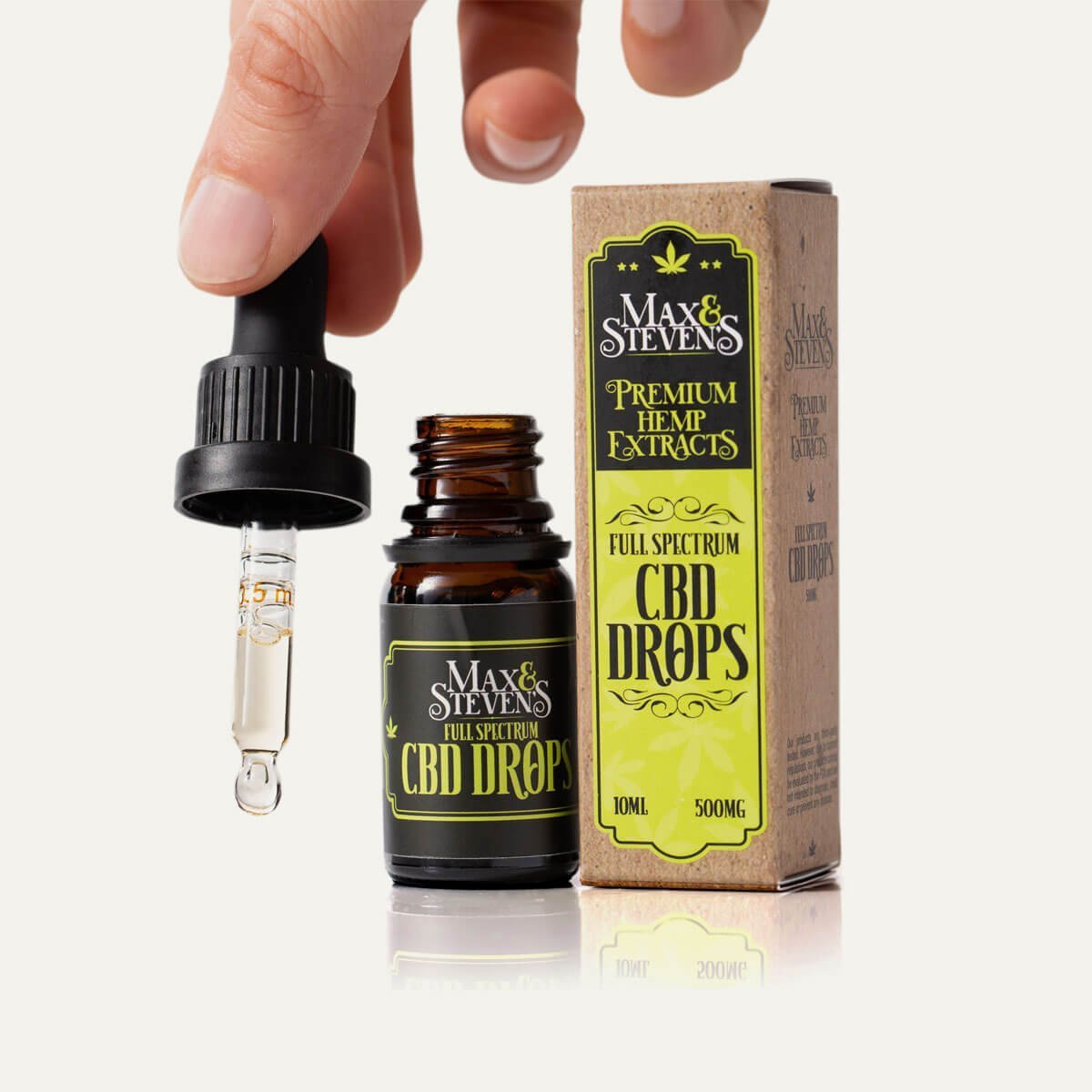
Product: Max and Stevens Full Spectrum CBD drops

Price: $55

More details: https://maxandstevens.com/

gift of wellnessSometimes our bodies need a little help recovering. Hemp products, or products made with CBD extract, have been shown to be beneficial, safe and effective at improving multiple conditions. Some of these include stress, anxiety, insomnia, chronic pain, inflammation, muscle recovery and migraine headaches.

So what makes this CBD product so special?

Unlike CBD cream, Max and Stevens drops can be taken both under the tongue AND used topically. When used topically, the drops help to reduce pain and inflammation locally. When used sublingually (or under the tongue) they helps reduce pain and inflammation systemically. As well, drops under the tongue can help with stress, anxiety and sleep.

The hemp extracts used in the Max & Steven’s product are derived from premium, organically farmed hemp. They are grown and harvested by hand in North Carolina then very carefully extracted to retain the fullest possible expression of the whole plant. So with these CBD drops, you are getting more of the whole plant. The CBD drops are certified by third-party laboratory reports and have been proven safe and free from any heavy metals, pesticides, mycotoxins and residual solvents.

At our office, we’ll show you how to measure on the dropper, determine the dosage and how apply the product topically.


The gift of….relaxation!

Product: Massage Wellness Package

Price: $360 for six-60 minutes massages, $540 for six-90 minute massages

massage for pain reliefThe benefits of a massage are well known. Many folks don’t realize is that getting a massage regularly can do more for the body and spirit than a one-time massage for relaxation.

Regular massage can help healing and pain relief happen faster. Massage improves blood circulation. When you have more efficient blood circulation, oxygen and other nutrients are distributed throughout the body better. This helps in repairing tissue and hastens the recovery process.

By giving the gift of a package of massage therapy treatments, you can help a loved one truly be on their way to reduced pain, lower stress and of course, relaxation! Your recipient will have a year to use their massage wellness package. And if you’d rather use the six massage gift certificates to gift six people with massages, you absolutely can!

We hope these gift ideas help you spread wellness with the loved ones in your life. And take time to relax, reflect and enjoy this holiday season once the hustle and bustle has resided. Your body and mind will thank you!

Happy Holidays!

Dr. Sharman

The Difference Between Being Thankful and Grateful

We’re all about to sit around the table with family and friends as the Thanksgiving season is upon us. It’s easy to look around and say that we are thankful (many of us do this as a tradition along with the turkey dinner). We may feel thankful for the presence of those in our lives, and glad to see everyone since the last big meal. However, is being thankful the same as being grateful? And does “thankful” adequately express the deeper feelings we may have?

Contrary to what many may think, there is actually a difference between being thankful and grateful.


What does it mean to be Thankful?

The textbook definition is that “thankful” means being conscious of benefits received. The person receiving the benefits has an awareness of a beneficial gesture…and responds as such. Often, it’s automatic, such as saying “thank you” when someone does something nice or helpful. It’s an expression of appreciation for something another person has done for you. It’s more about the act itself (and how you feel about it) than the person doing the act.

Thankfulness is often tied to politeness, with society and many a child’s upbringing conditioning people to express thanks for a kind act – either instantly (with words) or later (with another form of communication: email, card, phone call).

We tend to think of thankfulness as something that lasts for a short moment, often with little thought given to the act again once thanks has been shared. Showing that one is thankful is often easy to do, as it is a surface-level response. Few think of being thankful as something hard to do. Most consider it pretty simple.


What does it mean to be Grateful?

Dictionaries define being grateful as having a sense of thankfulness that comes from a feeling within, rather than a social norm response to a kind gesture. Being grateful, or having “gratitude” can be directed at not only people you appreciate but things that you feel have been of great assistance in your life.

For example, you can be grateful for your car that has supported you as you worked your way through college and achieved your degree. And you can be grateful for people like your mother who gave you guidance and good advice over the years. Both are worthy of gratitude! And this feeling comes from a deeper place within yourself and/or your heart.

difference between being thankful and gratefulGratitude is often much more memorable than thankfulness. It can last a long time. When you feel gratitude, you can have that sense of appreciation for many years. Gratitude often encompasses shared experiences, love, commitment and devotion with special people in your life. For many who focus on gratitude regularly, it is a way of life…a state of being.

RELATED: Attitude of Gratitude

When you feel grateful, you can express it without words or any physical action. And it goes beyond thankfulness, although that is often the first step that grows with time into a lasting feeling. Often, being grateful makes you willing to sacrifice time or money and go the “extra mile” even when no one is requiring this of you. It’s something you simply do willingly.


Why both are worthwhile

It’s not wrong to be thankful and express it. Random acts of kindness, as well as intentional acts of kindness, occur every day…and it’s important to express our thanks for it. And not just because society suggests that it is the “polite” thing to do. Rather, thanking people for kind gestures creates a positive feeling within us and can, with time, foster true gratitude for people in our lives.

So yes, there is a difference between being thankful and grateful… and it’s fine to be thankful. At the same time, we should strive to feel grateful, as gratitude is part of how we make sense of our lives and the people within it. When we keep it in the forefront, we are able to credit our loved ones with the appreciation they deserve. By striving to make gratitude a discipline, many things such as time spent with loved ones, takes on a new depth of meaning.

Try making gratitude something you focus on and practice in a deliberate way…whether it is expressed outwardly or felt inwardly. It will change you and the relationships in your life for the better! Happy Thanksgiving everyone!


Dr. Sharman

How to avoid Lyme disease: what you need to know

Most folks have heard of Lyme disease. Some know people who have had it. But do you know enough about how to avoid Lyme disease?

I sometimes suspect Lyme when someone is achy in multiple joints or I see a suspicious bite site on my patient and suspect it. We’re in a time of the year when people enjoy walking in the woods, where ticks, the carriers of Lyme disease, live. Not every tick carries the disease but it’s important to know the basics of Lyme disease and importantly, how you can avoid getting it.


How Lyme disease happens

In the US, the two species of bacteria that cause Lyme disease are carried by black-legged or deer ticks. To contract the disease, the infected tick must bite you and remain attached for 36-48 hours. The bacteria from the tick enters the skin through the bite site and makes its way into the bloodstream.

The vast majority of ticks are not black-legged or deer ticks…and do not carry the disease. If you find an attached tick that looks swollen, it may have been attached long enough to transmit bacteria. Therefore, the best way to prevent infection is by removing ticks as soon as possible.


Signs that you may have Lyme disease

Image result for tick biteLyme disease symptoms can be categorized into early signs and later signs.
Early signs

In the first day or two after a tick bite, most people see a small, red bump similar to a mosquito bite. For the most part, the bump goes away in a few days. This is normal and doesn’t necessarily indicate Lyme disease.

If infected, you’ll see other early signs within three to 30 days after the bite. Some people get an expanding red rash that is often clear in the center, creating a bulls-eye pattern. It can grow quite large, expanding slowly over time, without being itchy or painful although it may be warm to the touch. Other early signs include fever, chills, fatigue, aches, swollen lymph nodes and neck stiffness.


Later signs

Additional signs or symptoms can show up if you have not received treatment during the early stage. A rash could appear on other areas of your body. You may find that you have severe bouts of joint pain, particularly in your knees.

Unfortunately, for a long time after infection – anywhere from weeks to year – new symptoms can show up, including meningitis, Bell’s palsy, numbness or weakness of limbs, fatigue, psychiatric symptoms and impaired muscle movement.

Less common, untreated Lyme disease can result in heart, eye and liver problems, as well as severe fatigue. It can even cause cognitive impairment, such as memory loss.


What to do if you’ve been bitten

First, don’t panic. Only a small percentage of tick bites lead to Lyme disease, with the greater risk occurring the longer the tick remains on your body. If you remove a tick in less than 36 hours, it’s much less likely that the tick could have infected you.

If you do start experiencing symptoms that you believe may be Lyme disease, get to a doctor right away. Early treatment can make an enormous difference. Even if your symptoms appear then go away, see your physician. The absence of symptoms doesn’t mean your Lyme disease is gone. And you don’t want to leave it untreated, as Lyme disease can spread to various parts of the body for years after infection.


Treatment for Lyme disease

The standard protocol for early-stage Lyme disease treatment is a regimen of oral antibiotics. Most individuals take a 14 to 21-day course.

If the disease is impacting your central nervous system, your physician may recommend intravenous antibiotics for 14 to 28 days. While this is often effective in eliminating infection, you may take longer to recover from your symptoms. It’s also important to know that there are side effects to intravenous antibiotics, including a lower white blood cell count, mild to severe diarrhea, or colonization or infection with other antibiotic-resistant organisms unrelated to Lyme.

For many people, this is it. They recover and move on. However, a small number of people will continue to have symptoms, such as muscle aches and fatigues. Physicians refer to this as post-Lyme disease and more antibiotics won’t help. This is likely one of the most frustrating parts of contracting this condition. While more research is needed, some experts believe that certain folks who contract Lyme disease are predisposed to developing autoimmune illnesses that contribute to ongoing symptoms.


Most importantly, how to avoid Lyme disease

Avoiding areas where deer ticks live, in particular, areas of woods or long grass, is the best way to prevent Lyme disease. But if you enjoy hiking or do outdoor work, you may not be able to steer clear of these spaces. Here are some ideas on how you can greatly decrease your risk:

  • Cover your body – wear shoes, long pants, long-sleeved shirt, hat, gloves. If you are walking a dog, keep them on a leash so you don’t have to chase them through any bushy or grassy areas.
  • Use insect repellent – a couple of months back, we wrote an article on the best insect repellents. Follow those guidelines.
  • Tick-proof your yard – clear out brush and leaves, mow your grass regularly and keep wood stacked in sunny areas to discourage rodents that can carry ticks.
  • Always check for ticks – be vigilant after spending time outdoors and check your clothing, your body and your scalp very carefully. Shower and use a washcloth. Remember, if you remove a tick quickly, you are much less likely to acquire Lyme disease.
  • Remove ticks quickly using tweezers – grasp the tick near its head or mouth without squeezing and pull carefully and steadily. Dispose of the tick by flushing it down the toilet and apply antiseptic to the bite area.

My favorite resource for Lyme disease information is the International Lyme and Associated Diseases Society. This is a great resource, particularly if you get a ​negative result from the basic Lyme disease test ​but suspect you have Lyme and require further testing (note: the basic test has a high false​ negative rate).


Dr. Sharman


Surprising Conditions Chiropractors Treat with Good Results

Sometimes, chiropractors get pigeon-holed to where people think that we are only beneficial in reducing back pain. But did you know that is only a portion of the conditions we treat? In fact, you might be interested to know the surprising conditions chiropractors treat regularly that most people think can only be treated by other types of physicians.

Here are four conditions that I treat regularly – and most chiropractors see as a standard part of their practice.


Migraines and tension headaches

Research shows that chiropractic care, including spinal manipulation, is an effective way to treat tension headaches and headaches that begin in the neck. These chiropractic adjustments can improve spinal function and alleviate the stress on your nervous system.

I treat many patients who have chronic headaches. My goal is always to help correct any neuromusculoskeletal sources of a headache (nerves, muscles and bones of the body). When working with a patient, I like to perform a spinal exam to determine if chiropractic care could alleviate the pain. If a headache may be caused or aggravated by any misaligned vertebrae in the spine (subluxation), it could be creating undue nerve interference. Spinal manipulations often can resolve this.


Stress and anxiety

Stress comes from three main sources: our environment, our bodies and our emotions. We all have stress…but for some of us, stress along with anxiety are ongoing conditions. For these folks, chiropractic adjustments may help the body manage and process this stress in a healthier way.

With adjustments, I’m able to release muscle tension – one part of chronic stress. In doing so, I can return the body to a more balanced state with alignment and a reduction in the nerve irritation that created the uneven pressures on the bones to start with. Studies show that chiropractic adjustments turn down the sympathetic, or fight or flight part of the nervous system.  Adjustments also improve circulation, which also helps the brain to know to turn off the “fight or flight” response and start the healing process.

Fibromyalgia

Once a rather obscure condition, most of us today know someone suffering from Fibromyalgia (or perhaps we do ourselves). With the cause of this condition still unknown, two percent of the U.S. population have this chronic disorder, involving widespread pain and sensitivity throughout the entire musculoskeletal system.

I am able to use adjustments, along with a soft tissue technique called myofascial release, to help my Fibro patients get some relief. This helps to move out the congestion of inflammatory biproducts in the tissue, release trigger points and breaks up adhesions between the muscle and it’s casing. For my fibromyalgia patients we also give particular focus to turning down inflammatory pathways through nutrition, detoxing the liver, healing the gut, stress management and vitamin protocols.

One patient of mine has gotten relief from not one but two of her conditions (including fibromyalgia!):

“Through my chiropractic care with Dr. Sharman, my fibromyalgia has been so much more manageable. She reduces my muscle pain and uses protocols to reduce inflammation in my tissues. Also, my tension headaches have completely resolved. Before I saw Dr. Sharman, my tension headaches were debilitating. I saw so many different doctors who gave me so many different tests and types of treatments, but nothing worked until I came to Life Care. Dr. Sharman was the only one who was able to help me. It has been years since I have had a tension headache. Now, I enjoy my periodic chiropractic “tune ups” that keep me dancing at 66 years old.” – Gail Leigh


Allergies

surprising conditions chiropractors treatAllergies occur when the immune system encounters an irritant and mistakes it as harmful, causing inflammation. The body goes into attack mode with an often aggressive, irritating response. This generates the allergy symptoms that make us feel crummy: itching, sneezing, nausea and sometimes vomiting.

By improving the communication throughout the nervous system including the brain and spinal cord, chiropractic care can help regulate and coordinate the body’s reaction to allergens. A weak immune system can be strengthened by correcting the misalignment in the spine that disrupts the essential pathways between the brain and spine. This can de-amplify allergic responses.

A strong, well-functioning immune system can deal with irritants and take them on BEFORE they can wreak havoc in your body. So keep your spine aligned – and you’ll have taken the first step to a healthier immune system.


Other recommendations

Aside from the specific techniques mentioned to address headaches, stress, fibromyalgia and allergies, most chiropractors have a few more “tools” in our toolkit that may not be suggested to a sufferer by their regular physician.

I find that I’m also often recommending:

  • Nutritional supplements and sometimes an entire vitamin protocol
  • Relaxation strategies
  • Techniques for improving your back posture
  • Environmental modifications (ergonomics, especially for the work environment)
  • Exercises to be done at home to keep the improvements going

And the four conditions mentioned in this article are only some of the surprising conditions chiropractors treat with success. If you are struggling with a condition and not getting relief, let us know. We can schedule a consultation and assess if there is more we can do to help you feel your best!

Dr. Sharman

Safe insect repellents that work

We’re at the peak of the tick and mosquito season, as our weather is at its warmest this month. And we are about to start the height of flea season. The warming climate is predicted to expand the habitat of ticks and mosquitos. So insect repellent is definitely needed. But which insect repellents are safe and effective?

Many of my patients who know of my caution in using products containing potentially harmful chemicals have asked me to suggest a safe insect repellent that will provide protection. It is important, for starters, to recognize that there is no perfect and completely safe way to prevent insect bites. However, all repellents are not created equal and you do have options for less toxic approaches.

This is what I usually share when I get asked about bug sprays.


Which ingredients are safe (and at what levels)

My go-to for any products containing chemical ingredients is the Environmental Working Group or EWG. A couple of months back, I shared my thoughts on sunscreen and much of my recommendations came from the research and advocacy of the EWG.

According to the EWG, DEET (at less than 30%), Picaridin (at 20%) and IR3535 (at less than 20%) are the safest, most effective ingredients. All three are found in insect repellents that live up to extensive EPA regulations with data to back up efficacy and safety claims. Here’s a quick primer on all three ingredients:


DEET

This is probably the ingredient you’ve heard of the most. It is rated as very effective in repelling a wide range of mosquitoes, ticks and other bugs. DEET has been used extensively and is a sensible choice for all-day protection. However, it often shows up in repellents at what are considered unsafe levels. DEET has a strong smell, can irritate the eyes and in rare cases can induce neurological damage. The incidents of nervous system damage most often occur after high exposures to DEET. And it’s even been known to melt plastic at these levels!

However, this is why less than 30% concentration is advisable. And really, you can be protected with just 10% for a couple of hours (then reapply). DEET isn’t perfect – but it has a long history of use and minimal safety concerns when used at appropriate levels. The EWG states that it’s a “reasonable choice” when weighed against the consequences of a life-changing disease, with few cases of toxicity in 60 years on the market. But it’s not the only choice you have.


Picaridin

Repellents containing picaridin have been shown to be effective against mosquitos and ticks from eight to 14 hours at a 20% concentration. It’s not an ingredient as widely used as DEET, so the number of studies is fewer…but it evaporates from the skin more slowly than both DEET or IR3535 and may repel bugs for longer periods. Other pros include very low inhalation toxicity, virtually no skin irritation and no stinky odor.

I wish Picaridin had more time on the market (it’s quite new) but it is promising. I also like that at very low concentration, this ingredient can provide minimum of five hours of protection. So you may get what you need with a product that has just 5-10%.


IR3535

With a long presence on the European market, IR3535 provides similar or slightly less efficacy than DEET or Picaridin against mosquitoes. However, it is twice as effective against deer ticks. At the recommended 20% concentration, you’ll get eight hours of mosquito protection and at least six hours of tick protection. But IR3535 can be very irritating to the eyes.

Otherwise, this could be a good choice but I’d recommend against purchasing brands containing added sunscreen (products using IR3535 often have this). Sunscreens require more frequent application…and combo products would overexpose you to the insect repellent.


Do essential oils and botanicals work

In short, they can. However, there is no way to know how effective they are or for how long. In relying on them, you’re likely heading outdoors with a false sense of security that could put you at greater risk than if you were using nothing at all. Repellents that rely on essential oils or botanicals are classified technically as a minimum-risk pesticide – meaning they undergo no significant testing of efficacy. An essential oils/botanical label can say that the substance repels mosquitoes and ticks, but they can’t say it will protect you from Lyme, Zika or any other vector-borne disease.

safe-insect-repellentEssential oils and botanicals mixtures can be made at home or purchased ready-made. They do offer SOME protection to be sure. But they also evaporate more quickly from the skin. You’ll have to apply more frequently, and again, you’ll get zero protection from some specific illnesses.

They can irritate the skin – or you may find that you are allergic to a specific essential oil or botanical. They are never recommended for young children, due to lack of research. The EWG recommends avoiding all botanically-based repellents if you like in a high-risk area for disease or need long-lasting protection except one: Oil of Lemon Eucalyptus. Repel and Cutter brands have well-known products with Oil of Lemon Eucalyptus as the active ingredient. But again, the protection time is much shorter than DEET or the other chemicals mentioned earlier.

In light of diseases such as Zika and Lyme, the consequences of ineffective repellents can be severe. It’s important to use one that you know works well. Essential oils have no standardized oversight, such as EPA regulations. You may be taking a chance in using them.


How else to repel insects

Thankfully, there are many other tactics for keeping insects at bay aside from what you apply to your body.

For starters, avoid the dusk and dawn in the US, when mosquitoes are the worst. Clear your yard of places where mosquitoes like to breed (particularly any place with standing water). Mosquito netting works well for many spaces such as tents, strollers and on the porch. Always cover up exposed skin as much as possible with long sleeves/pants – and you can spray your clothing rather than your body for some protection. This site had some other ideas you may want to try.


I had a patient recently that wore a dog tick/flea collars around his boots. He said it helps prevent ticks and bugs from getting him when he is working outside. I thought this was brilliant! And it would avoid any risk of toxicity because it isn’t touching the skin.

The bottom line is that we all have to protect ourselves, particularly if we are outside for a long time and in an area prone to insect-born illnesses. The good news is that we have safe insect repellents that are effective. We’ve just got to know the facts and choose our protection wisely!

Dr. Sharman


Photo credit: ID 137875252 © Elizaveta Galitskaya | Dreamstime.com

Non-Surgical Spinal Decompression: Is it Right For You?

Pain, pain go away!

Sometimes, I come across patients who have suffered a pain condition for a long time that no therapies have resolved, despite our best efforts. It can be frustrating, debilitating and depressing to get no relief. Fortunately for some conditions, I’m able to recommend a treatment alternative that has been very successful for many of my patients: non-surgical spinal decompression.

Spinal decompression is a therapy designed with the goal of alleviating pain and promoting healing of the intervertebral disc. It’s recommended for sufferers of many types of back pain, neck pain and arm/leg pain, tingling and numbness associated with spinal nerve irritation.

It’s not appropriate for every pain condition, but it is a tool in our toolbox of pain treatment. So let’s take a look at non-surgical spinal decompression for pain relief and you can decide if it’s something to discuss with your physician.


How spinal decompression works

In a nutshell, spinal decompression stretches the spine by having the patient lie on a traction table (or similar motorized device). The device stretches and relaxes the spine intermittently in a controlled fashion. The thinking behind this approach is that if we create negative pressure within the disc itself, a couple of things can happen.

First, the process can retract or reposition the herniated or bulging disc material back into the disc. But also, it can promote the influx of healing nutrients into the disc, which will foster a better environment for healing to occur.

We conduct this treatment right in our office. During this therapy, patients lie on the traction table (either face up or face down, depending on the area of treatment and patient comfort).

non-surgical spinal decompressionFor the low back, a harness is placed around the hips and is attached to the foot side of the equipment. The lower half of the table slides back and forth with a back and forth with a setting of a calculated number pounds of force while the upper portion remains fixed, creating an alternating axial decompression and rest. For the neck, the patient rests their head in a comfortable neck cradle while a specific number of pounds of pressure pulls the head and neck gently alternating between axial decompression and rest.

Many of my patients wonder if this process is painful. The answer is no. If you are having spinal decompression therapy, you should feel no pain during or after the treatment and only a stretching sensation in the spine.


“I really enjoy having decompression as an option for patients with arm or leg pain, tingling or numbness that is not responding to chiropractic and physical therapy. We really don’t like have to send a patient for a surgical consultation. For those few patients who aren’t getting well with chiropractic and physical therapy, the decompression typically works well and we can avoid sending them to a surgeon,” said Dr. Sharman


Treatment length and associated costs

Most spinal decompression therapy involves anywhere from 10 to 20 treatments, lasting about 15 minutes each. Best results are achieved by having treatment 3 to 4 times a week at least for the first 10 sessions. In our office, the cost is $40 per session. Patients can receive 15% off if they purchase a package of 10 for $340, making the session $34 a visit. We do not bill insurance for spinal decompression.

Like most pain relief therapies we recommend, I also encourage other therapies to go along with spinal decompression to help it be more effective. This may include electric stimulation, ultrasound, cold/heat therapy applied during or after spinal decompression treatment. I also find myself recommending that patients drink up to a half-gallon of water each day, rest (always), participate in a nutritional supplement protocol and perform exercises on their own to increase their strength and mobility.

Getting rid of pain doesn’t happen overnight – so patients that are a good fit for spinal decompression need to be prepared for a many weeks process and a commitment to follow the treatment approach I recommend.


Pros/Cons – and success rate for spinal decompression

You may know someone who has had spinal compression therapy. The concept has been around for a number of years, but there has not been enough clinical evidence to support the claims of its effectiveness. However, many believe that the positive results of the patients speak for themselves. And countless chiropractors have been using spinal decompression – with positive results – for over ten years.

Pros

  • Overall reduction in pain and ability to return to daily activities
  • May start getting relief after five or six treatments
  • May have reduction in the size of the disc herniation
  • Avoid surgery and drugs
  • Safe, with no pain and little if any side effects

Cons

  • Lasting relief may not happen until protocol is finished, which may be four to six weeks
  • Protocol may require as many as four visits per week
  • Can get expensive, due to the number of treatments


Final verdict

Like many treatment options, non-surgical spinal decompression won’t work for everyone. And for certain groups of people, such as pregnant women, people with metal hardware in the area of treatment and others, it’s not an option. However, for those who DO qualify and have the right pain condition to respond to spinal decompression, it can be the pain relief answer they’ve been looking for.

My hope is that we will continue to invest in clinical research into this therapy so as to present more evidence to show what we, as chiropractors, have experienced with our patients. If you think spinal decompression is an approach you’d like to consider for relieving your pain condition, please let me know. Schedule a free consultation to see if you are a candidate for decompression. If I think it’s a good fit and will benefit you, we’ll work together to assemble a treatment plan.


Dr. Sharman

What to look for in a good sunscreen

Sunburns hurt – and hurt you long-term. So sunscreens are an imperative…and knowing what to look for in a good sunscreen is important.

The good news:  The FDA is finally proposing big changes that address many of our concerns, and should make all sunscreens safer and more effective.

The bad news:  The changes won’t impact sunscreens you’ll be buying THIS year.

Each sunburn causes irreversible damage to your skin that accumulates over time. It adds wrinkles and brown spots, making your skin age before its time. And each burn increases the risk of skin cancers and melanoma. I recommend following the sunscreen guidelines published by the Environmental Working Group (EWG), an American activist group specializing in research and advocacy in the areas of agricultural subsidies, toxic chemicals, and drinking water pollutants.

So while many of the FDA changes aren’t being applied to products on the shelf right now, you can still use the EWG (and my) guidelines when purchasing your sunscreen products this summer. Here’s what you need to know.


Qualities of a good sunscreen

Choose the right active Ingredients

For a long time, the FDA offered no assurances that the ingredients meant to provide protection from the sun were tested for safety and efficacy. However, it has for the first time conducted and published the results of testing for the active ingredients in sunscreen to determine two things: 1) rate of absorption through the skin and 2) health impacts that may result from exposure to those ingredients.

Based on this testing, only two active ingredients have been deemed safe – titanium dioxideand zinc oxide. The FDA recommends that the other 12 commonly used active ingredients require further testing.


Select an appropriate SPF rating

You’ll notice sunscreen on the market with a listed sun protection factor (SPF) of over 100 these days. However, bigger is not better. The FDA found that higher SPFs do not show additional benefit – and may provide a false sense of security. To counter this, the agency proposes limiting products’ SPF claims to 60+. Previously, the FDA had suggested a cap of 50+. This is what the Environmental Working Group (EWG) recommends. I do as well, and also recommend going no lower than SPF 30.


Include broad-spectrum protection

You should look for sunscreens that offer what’s termed “broad-spectrum” SPF protection. This means that the sunscreen protects against both UVA and UVB rays. It’s a way of indicating the magnitude of overall protection offered by a sunscreen. All sunscreens provide UVB ray protection but not all are “broad-spectrum” or provide UVA protection. You need both.

The FDA is proposing new test that changes the method used to evaluate sunscreens’ broad-spectrum UVA protection. The EWG has found that 25% of SPF products would not pass with the new testing without changes to formulation.


Understand water resistant/water proof/sweat resistant

Labels can get confusing! But just know that no sunscreen is actually water proof or sweat resistant. Sunscreen labeling is not allowed to use either term. However, water resistant is allowable provided that the manufacturer specifies how long it lasts while swimming or sweating. So choose water resistant but make sure you reapply every two hours at a minimum (more often if you are toweling off, which removes sunscreen).


Pick the right application

Spray applications are on the rise – but in general, I do not recommend them. First, there is the concern that users miss many parts of their bodies with sprays, resulting in inadequate coverage. Second, there is concern that inhaling sprays could cause health issues, particularly if some chemicals make it deep into the lungs.

As well, the FDA is making several proposals around sprays to better protect consumers, including banning sunscreen/bug repellent combination products. My advice is to stick with lotions to ensure better coverage and zero inhalation risk.


Chemicals to avoid in a sunscreen

Sadly, sunscreens have always had carcinogens that people were unaware of. Many have been removed over the years, but a couple are still out there in products on the shelves this year. You should avoid products containing either oxybenzone or retinyl palmitate.

Oxybenzone is a potentially hormone-disrupting chemical that is readily absorbed through the skin in large amounts. It has been detected in bodily fluids including breast milk, amniotic fluid, urine and blood. Some people have had an allergic reaction to this chemical. It is found in two-thirds of sunscreens on the market today. Children are at an event greater risk to harm from oxybenzone because of higher absorption and accumulation of it within the body.

Retinyl palmitate is form of vitamin A that may harm sun-exposed skin. It has the potential to speed up the development of skin cancer. Enough said!


Protection and prevention

Besides selecting the right sunscreen, you can do a great deal to protect your skin simply by covering your skin and getting in the shade. If you must be outside, wear clothing and a wide-brimmed hat to cover as much of your skin as you can. Don’t forget about your eyes too! You’ll want sunglasses that block at least 99 percent of UV light.

The shade is your friend – particularly between 10 am and 4 pm when UV rays are the strongest. Taking a break if you are outside for extended time and giving your skin a “rest” from sun exposure is always a good idea. This will also help you avoid heat stroke, which is common this time of year.

Finally, steer clear of tanning beds and sun lamps. They are just so bad for us. Both can cause serious long-term damage to your skin and contribute to skin cancer.


Long-term how you know your skin is ok?

In adulthood, we should all make sure to schedule an appointment annually with our Dermatologist to do mole and skin checks. By checking your skin each year, a physician can determine if there are any major changes in your skin that could be precancerous. And your physician can counsel you on sun exposure and whether or not you are getting too much.

Please be safe this summer…and take care of your skin!

Dr. Sharman

Which sandals are best for your feet (flip flops too)?

After months of having our feet hidden in shoes and boots, it’s finally time to show some toes and wear summertime shoes! While I love a fun pair of flip-flops or sandals as much as the next person, I unfortunately see the impact of wearing cheap, unsupportive shoes in the warmer months.

Those cheap, flat flip-flops that everyone seems to love to wear are horrible for arch support, contributing to plantar fasciitis and causing you to slip and get an injury from the lack of foot support. Slipping on the wrong pair of shoes week after week can result in pain that manifests itself in many parts of the body: feet, knees, thighs, hips, lower back and spine.

The good news is that you can opt for the sandals best for your feet – and even flip flops – without skimping on trendy and fun designs. And the best part is that you can purchase them right here from us!

Many of you know that through our partnership with Foot Levelers, we can create custom orthotics that fit into your shoes. However, most don’t realize that Foot Levelers also creates orthotic sandals and flip-flops, by designing their own products and fitting their orthotics into some well-known brands such as Naot.

So let’s take a look the sandals and flip-flops from Foot Levelers that we can help you get into right away.


Custom Flip flops

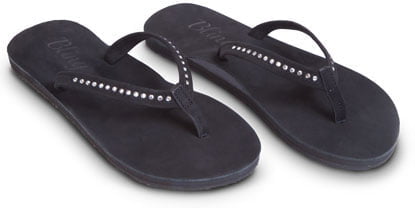
Foot Levelers offers a wide variety of hand-made flip-flops that come with a patented 3 Arch Advantage, providing support for all three arches of the foot. Besides arch support, they are also designed with a softer, more comfortable mid-layer than over-the-counter flip flops and shock absorption on heel-strike. And what I really love is that Foot Levelers custom-fits the strap for your feet – basically making them fit like they were made just for you…because they are!

Getting fitted for your new flip-flops is easy. We have the scanning kiosk right in our office. Getting scanned and fitted only takes a few minutes. And with the scans, I’ll be able to help you choose the best flip-flops for your unique feet.

Not only will you get a great fitting pair of flip-flops – the styles are on trend with what you see in everyday retail stores. If you didn’t know, you would think they were simply cute, stylish sandals (the orthopedic shoe look of your grandma is nowhere to be seen!).

Which sandals are best for your feet

Most popular style: Bling

First custom orthotic flip-flop: Seabreeze

Great option for men: Catamaran or Maui

Flip-flops come in whole sizes only. You can view the entire line of custom orthotic flip flops here.


Custom Sandals

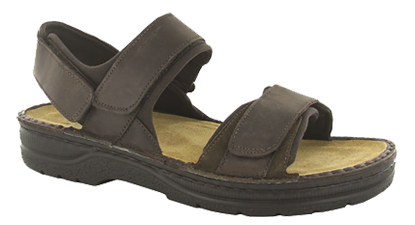
If you don’t find flip-flops as comfortable or need a dressier summer shoe, we’ve got you covered! There are two great options to choose from, First, Foot Levelers has teamed up with a popular sandal brand, Naot, to offer custom orthotics built into their shoes’ foot bed. Several Naot styles are available with a custom orthotic – including the Naot Paris, a nice heeled sandal you could wear with a dress or dress pants.

The second option is a truly custom sandal developed by Foot Levelers. This sandal, called Roanoke Sandalthotic® (named after the hometown of the company) comes in two colors and mirrors the style that many name brands are selling these days. The shoes are casual and comfortable with an anatomically-shaped cork-latex foot bed and adjustable straps.

Which sandals are best for your feet As with custom flip-flops, we will scan your feet in our office and send off measurements to Foot Levelers to have your shoes custom-made.

Sandals come in both men’s and women’s styles and in whole sizes only. You can view both the Naot sandals and Roanoke Sandalthotic®’s product lines online.


RELATED: 5 Reasons why custom orthotics will change your life for the better


Your feet are your foundation. And the wrong shoes contribute to pain in many parts of the body aside from your feet. Custom orthotics provide you the support you need for pain relief and comfort. The orthotics we can fit you for here in the office will last a very long time – and a pair of custom orthotic flip-flops or sandals will be worth the investment in the benefits your body will receive.

Which sandals are best for your feet For the summer, we’re offering a great deal for customers:

Buy one pair of custom orthotic shoes, flip-flops or sandals and get a second pair for $150! 

It’s like getting two pair of shoes for the price of one!

You can access the entire orthotic catalog here…then stop in our office for a quick feet scan. We will scan your feet, place your order and you’ll have your shoes back within a few weeks. Just in time for the pool – so don’t delay!

Dr. Sharman

Vitamin B12: Are you deficient?

Would you be surprised to learn that 92% of the U.S. population suffers from a vitamin or mineral deficiency? It sounds crazy, but it’s true. And vitamin B12 is one of the deficiencies most overlooked.

If you are over 50 and reading this, about 20% of you are deficient in vitamin B12 – but it’s not just older adults that are impacted. In general, there is a lack of knowledge of the warning signs of a deficiency and late detection…so folks of all ages may be overlooking a deficiency in this important vitamin.

Why should you care about B12?

For starters, the human body doesn’t make vitamin B12 – so all of us must get this nutrient from our diet. We also can’t store it up, thus we need to consume foods that contain it on a regular basis. Adults need around 2.4 micrograms (mcg) of vitamin B12 each day.

But what does B12 do for us? Plenty!

It is crucial for making DNA and red blood cells and carrying out other functions, such as helping to support the nervous system. And while the optimal situation is to get B12 from our diet, the reality is that many of us don’t eat enough of the correct foods to get the amount of this vitamin we need each day. The chart below shows some of the best food sources for vitamin B12, but if we don’t eat enough of these food categories regularly, a supplement may be needed.


Vitamin B12 deficiency


Am I at risk of not having enough vitamin B12?

To know for certain, you should ask your medical provider to run a test to see if you are indeed deficient in B12. In general, there are some individuals at a higher risk for a B12 deficiency.

  • Vegetarians, older adults, pregnant or breastfeeding women*
  • Individuals who have recently had weight loss stomach surgery
  • Sufferers of Crohn’s or celiac disease
  • Individuals with pernicious anemia
  • Individuals on prescribed heartburn medications, which impact vitamin absorption
  • Alcoholics or recovering alcoholics – alcoholism causes damage to the gastrointestinal lining, where the vitamin is absorbed and distributed

*If you fall under one of these categories, consider getting your levels checked for an early diagnosis.

Why vegetarians? Well, since animal proteins are one of the best sources of B12, vegetarians are automatically missing out on a regular source of B12. The reality is that non-meat eaters have to work harder than the general public to get enough food sources of B12 and avoid the need for a supplement.


What are the signs of a possible B12 deficiency?

There are many signs of a possible deficiency, but keep in mind that these signs could also signal other conditions. A check of your B12 levels, once some of these signs appear, is the best way to know if your symptoms are related to this deficiency or some other cause.

Be on the lookout for the following symptoms:

  • Tingling hands/feet or “pins and needles” sensation (People who are vitamin B-12 deficient may not produce enough myelin to coat their nerves. Without this coating, nerves can become damaged.)
  • Trouble walking due to numbness
  • Jaundice (yellowish, pale skin)
  • Fatigue or weakness due to not enough red blood cell production
  • Fast heart rate and shortness of breath (making up for reduced number of red blood cells
  • Mouth ulcers, swollen tongue, burning sensation in the mouth
  • Cognitive impairment, perhaps due to reduced oxygen getting to brain
  • Irritability
  • Nausea, vomiting, diarrhea (not enough oxygen reaching the gut)
  • Decreased appetite


How could B12 benefit me?

The benefits are many when your levels are low. If you are not deficient in B12, you may not experience these benefits .


Pregnancy
Taking vitamin B12 during pregnancy has been proven to mitigate birth defects.


Supports healthy skin, hair, nails
Since low vitamin B12 levels can cause various dermatologic symptoms, adding B12 can improve those conditions. Hyperpigmentation, nail discoloration, hair changes, vitiligo (the loss of skin color in patches) and angular stomatitis (inflamed and cracked mouth corners) are all common with B12 deficiencies.


Better sleep/energy
Vitamin B12 assists in melatonin production, a hormone responsible for sleep regulation. It also aids in glucose metabolism, which can boost your energy levels.


Improvement to brain function/mood
One of the vitamins essential in the production of serotonin, the brain chemical responsible for mood regulation, is B12. Supplementing B12 may help in lessening the effects of depression, but I always recommend that you consult with a health practitioner to help you deal with depression symptoms.

Studies show that patients who have lower levels of B12 have an increased risk for brain volume loss, particularly as they age. Adding a B12 supplement can boost the production of neurotransmitters, which help our cognitive functioning and memory.


Aid to digestion
If you struggle with digestion issues, you’ve likely learned about the importance of “gut” bacteria. Vitamin B12 helps the production of necessary digestion enzymes, fostering healthy bacteria production needed to break down foods and support a healthy metabolism.


Other benefits
Many folks boosting their vitamin B12 levels – either through foods or supplements – have experienced other benefits. While there is still a lot of research around these benefits, it’s worth noting that if you are deficient, B12 may:

  • Support bone health and prevent osteoporosis
  • Assist in maintaining heart health
  • Reduce macular degeneration


So what are your best ways to get B12?

First, I always recommend getting your levels checked. If you are deficient, you can always increase your intake of foods high in B12. However, a serious vitamin B12 deficiency can be corrected two ways: weekly shots of B12 or a daily high-dose B12 supplement. A mild deficiency can be corrected with a standard multivitamin.


Final thoughts

If you fall into a high-risk category for a deficiency in vitamin B12 or any other vitamin (vitamin D is another one where folks are often deficient), talk to your health provider and get your levels checked. If you aren’t high risk but you are having some of the deficiency symptoms noted, you should also talk with your health provider. Deficiencies are so common…and often overlooked. A level check is easy – and could be a huge difference maker in your health! Call our office to schedule one and a vitamin consultation with me.

Dr. Sharman