1 Post Office Road

Waldorf, MD 20602

Open 6 Days a Week

Schedule Appointment

Can Headaches Be Helped With Chiropractic Care?

Do you ever get headaches? If so, you’re not alone.

Nine out of ten people get headaches of some variety….frequent, infrequent, chronic, migraine and sadly, some completely debilitating. It’s a very common ailment.

People try lots of things to rid themselves of headaches, including taking various medications, lying down and simply powering through them until they go away. I’ve had patients ask me if chiropractic care can help their headaches – thankfully, the answer is YES!

But before I explain how, let’s start by talking about the common triggers for headaches.


What’s Causing Your Headache

Headaches can be caused or triggered by the environment, stress…even the foods you eat.

Environmental triggers can vary. Noises, lights, smells can all create conditions ripe for headaches to develop. Be aware of these factors when you get headaches and see if you can pinpoint your triggers (it will help you avoid them in the future).

Stress is known to create many health ailments in the body – so minimizing your stress levels by using relaxation techniques can help. Yoga, meditation and exercise are all proven ways people successfully keep their stress at bay.

Muscle tension is a big contributor to headaches these days – especially with how sedentary people are these days. Spending hours in front of a computer screen, fixed in one position and having poor posture can increase joint irritation and muscle tension, causing head and neck aches.

Certain foods, insomnia, dehydration, teeth-clenching and blood sugar changes are also headache contributors. Even excessive exercise can cause a headache! 95 percent of headaches can be traced back to some kind of trigger. Only 5 percent are warning signs of some other physical problem. So knowing your triggers and avoiding them at all costs is the best preventative.


How Chiropractic Care Can Help

The research supports chiropractic care, in particular, for certain types of headaches. A 2011 JMPT study found that chiropractic care, including spinal manipulation, improves migraine and cervicogenic headaches.

Migraine headaches are now considered a neurological disease, which results in a severe throbbing recurring pain, usually on one side of the head. A headache can be accompanied by visual disturbances, nausea, vomiting, dizziness, extreme sensitivity to sound, light, touch and smell, and tingling or numbness in the extremities or face.

Cervicogenic headaches, for those unfamiliar with the term, result in “referred pain” or pain perceived as occurring in a part of the body other than its true source. A cervicogenic headache is a secondary headache caused by another illness or physical issue. Its cause is a disorder of the cervical spine and the bony structures or soft tissues of the neck.

Keep in mind that chiropractic care is beneficial for prevention of headache episodes rather than the alleviation of symptoms once a chronic episode has begun.

When I work with patients, I am concerned with helping to correct any neuromusculoskeletal sources of a headache. This includes nerves, muscles and bones of the body. I perform a spinal exam to assess whether chiropractic care could alleviate the pain. I look for whether or not the headache may be caused, or aggravated by any misaligned vertebrae in the spine (subluxation) as that could be creating undue nerve interference.

If I determine that chiropractic care will help, I’ll recommend it. The type of spinal manipulation, frequency of manipulations and duration of treatment can vary. Any reputable chiropractor will take into consideration guidelines, his/her clinical experience and evidence-based findings.

The evidence for using spinal manipulation to relieve pain for patients with a tension-type headache remains questionable. While chiropractic care may help, we don’t have enough evidence to say this definitively.


Other Things Your Chiropractor May Recommend

As I mentioned earlier, the causes of headaches are varied – and by taking proactive steps, you may avoid having them altogether! I often provide my patients with nutritional advice and recommend dietary changes and the addition of B complex vitamins. As I’ve written about before, posture is a big part of avoiding all kinds of pain in the body – and focusing on improvements to posture and utilizing ergonomic supports can help stave off certain types of headaches. I often recommend relaxation and/or exercise as a lifestyle change to reduce the frequency of headaches my patients’ experience. Exercise, in particular, can stimulate the circulation of blood to the head and help to maintain neuromusculoskeletal flexibility.

RELATED: What Vitamins Should I Take – Getting the Essentials


Final Thoughts

Non-drug treatments may be the first choice for many patients – especially if they have a poor tolerance to medications, have experienced side effects or simply aren’t getting any relief from pharmacology. As well, if a patient is pregnant, nursing or simply has an aversion to medication, spinal manipulations from a licensed chiropractor may be a good option.

If you think you might benefit from chiropractic care – let me know! My staff can schedule an appointment where we can do a thorough exam and decide if chiropractic care may help with your headaches.
Dr. Sharman

What to avoid and embrace to get quality sleep – part two

Last month, we established some strategies for comfort, part one of our sleep series. How else can we create good quality sleep?

Much of sleep quality comes down to do’s and don’ts – basically, what you should avoid and what you should embrace. And while many are small and seemingly insignificant, my recommendations can individually and cumulatively have a large impact on how well you sleep.


What you should avoid

For starters, think about what you are eating and drinking before bedtime. No large meals or foods that cause indigestion too close to bedtime. Research suggests avoiding caffeine, alcohol or other sleep interfering chemicals at least four hours before bedtime. Chemicals to avoid include:

  • Antihistamines – can cause daytime drowsiness
  • Nicotine – can cause insomnia and result in light sleeping
  • Beta blockers – often cause decreases in the amount of REM and slow-wave sleep*
  • Alpha blockers – may increase daytime sleepiness*
  • Antidepressants – can promote insomnia

*Speak with your prescribing physician about how the timing of these medications may impact your sleep.

Long and late afternoon napping can also impact your sleep quality. Studies show that a 10 to 30 minute power nap during the day can have positive affects but anything longer than that can interfere with your sleep cycle. If you must nap to get through your day due to health problems, take your nap early in the day.

As hard as it may be in this day and age of smart phones, avoid using electronics at least 30 minutes before bed. Electronics reduce melatonin and keep the brain alert. This also includes readers, tablets and even television.

Believe it or not your water intake can impact your sleep quality. Don’t be so busy during the day that you fail to drink enough water causing you to “catch up” with water at night. This may create the urge to go to the bathroom in the middle of the night. Balance out your water intake throughout the day instead.

Finally, avoid being a “clock watcher” if you are struggling to fall asleep. This will just cause stress and anxiety. Instead, try to find a comfortable position and focus on how lovely it is to rest your body and mind through relaxation, even if it isn’t sleep. That in itself will help you to stop stressing enough to relax and fall asleep.


What you should embrace

Especially if you are someone who regularly struggles with falling asleep or waking up in the middle of the night, you’ll want to consider embracing some behaviors and rituals to promote better sleep.

Remember last month how I talked about having the right bed and mattress? That’s’ a part of creating a soothing and relaxing sleep environment. Go out of your way to create such an environment. Start by allowing your room to be dark, quiet and cool. I think investing in bedding that is super-comfortable is well worth the extra expense.

get quality sleepI also believe that a pre-sleep routine is very helpful. My personal favorite includes taking a nice warm Epsom salt bath with essential oils. Other ideas include reading before bed, doing relaxation exercises or rubbing on some essential oils. You can read more about essential oils for sleep. One company that makes a quality essential oil product is doTERRA (I actually have a doTERRA account, so you can purchase yours from us if you like).

Establishing a consistent sleep schedule is also a huge benefit. People often make the mistake of staying up past the time they are naturally tired. In these cases, people often get a second wind due to adrenal imbalances and then they cannot shut off their mind when they have stayed up too late and truly need to go to bed. Some people enjoy a guided meditation for sleep or even biofeedback devices to relax in preparation for sleep.


What to do if you still struggle

If you try everything I’ve already mentioned and still struggle, there are some safe, natural products you can use for sleep – and we sell many of them in our office.

Lunora This product contains melatonin, a natural hormone that helps usher the onset of the body’s natural circadian sleep cycle and valerian root, a plant based herb known to assist in sleep.

Vasayo Microlife Sleep Micromyst This is a product that has a unique delivery system for its ingredients. It is a spray that is used in the mouth. Vasayo uses liposome technology which are like spheres or bubbles that surround nutrients. This helps the ingredients get through the digestive system intact for better absorption and use by the body. The key ingredient is

Melatonin, a natural hormone that helps usher the onset of the body’s natural circadian sleep cycle.

How do you choose between natural sleep products? We often start with Lunora as it is a very simple product with just two ingredients and is priced very affordably. That usually does the trick. However, if that doesn’t work, we stop the Lunora and move on to the Vasayo product which is a bit more expensive.

Some other options include:

GABA This supplement is a neurotransmitter that inhibits nerve activity in the brain, allowing it to slowly relax and support the normal sleep cycle.

NAC This supplement is an amino acid that decreases other compounds that stimulate the brain.

Vitamins B2 and B6 Finally, these vitamins help support normal neurotransmitter and hormone function.

I’m hopeful that with some of these recommendations you start to get the quality sleep that you deserve!

Dr. Sharman


How to improve the quality of your sleep – part one

We’ve all heard that cliché, “You sleep for a third of your life”.… or at least you should be sleeping about a third of your life!

I think we hear that saying so often that we forget the vital role sleep plays in our physical and mental wellbeing. The quality of our sleep really is critical to our quality of life. Sleep deprivation or lack of quality sleep can negatively affect cognitive function, immune function, growth and development in children and even increase our risk of all kinds of chronic diseases of aging.

So what can YOU do to improve the quality of your sleep? For starters, you need to understand what defines “good quality sleep”.


Understanding good quality sleep

The National Sleep Foundation recently released the key indicators of good sleep quality, as established by a panel of sleep experts.

  • Sleeping more time while in bed (at least 85 percent of the total time)
  • Falling asleep in 30 minutes or less
  • Waking up no more than once per night
  • Being awake for 20 minutes or less after initially falling asleep

Sounds basic, but actually achieving all four indicators can be a challenge. Comfort is actually a big part of this, and while fundamental, many people are not actually sleeping on the most comfortable mattresses or pillows. Let’s start there.


Choosing the right mattress

Mattresses can be a big investment, but I believe they are worth it. A mattress is a home product you are not only using almost all the days of the year, but something you use for 8-10 hours most days.

A proper mattress should be firm enough to support your postural curves but soft enough to give a little for your buttocks while on your back. When on your side, it should give a little for your shoulders and hips. Without that “give” or body-contouring, you may experience discomfort due to the pressure points created by lack contour.

Over time, I have developed a preference the Sleep Number bed. It is considered a hybrid and is comprised of foam and air chambers that have adjustable pressure you can adjust through a remote control. The firmness can be adjusted for your specific body and needs. Another plus is if you share a bed, your mate can adjust their side to whatever firmness meets their needs (including handling mates who snore). Sleep Number even has new technology that adjusts the firmness according to your positions at night and provides information about how well you slept. For those who have very specific needs that require their bed to be elevated into different positions, I believe that Sleep Number is the best in accommodating those needs.

RELATED: Why you should be improving your back posture

I am also a big fan of the Tempur-pedic mattress. The heavy foam contours just right to your postural curves to minimize pressure points. It also reduces motion transfer so your movement won’t wake your partner. Years ago, I had some patients complain that the heavy foam made it too hot while sleeping (actually a common complaint with foam mattresses). Tempur-pedic has been working on that issue, and I am told they have incorporated cooling and temperature-control technology into their mattresses.

Both Sleep Number and Tempur-pedic have a money back guarantee.  While both come with a hefty price tag, in my opinion either of these two are worth every penny. There are a host of other options out there with varying price points and this guide may help you in making a good mattress selection.


Choosing the right pillow

improve your sleep qualityThere are all kinds of great pillows on the market, but also some not so great ones. A lot of my patients buy pillows after hearing commercials and are often disappointed that they don’t live up to the claims. I recommend looking for a pillow that properly supports the neck and keeps the body in optimal alignment throughout the night.

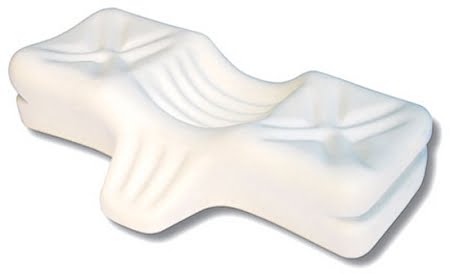
We are distributors for two of my favorites and carry them in the office: the Therapeutica Pillow and the Pillowise pillow. Both of these pillows require a “fitting” to insure each patient gets the right pillow for their body. We take measurements for both back and side sleeping and put those measurements into the context of whether a person’s mattress is soft, medium or firm. Both of the Therapeutica and Pillowise pillows keep the neck and shoulders in optimal alignment during sleep. They each support the postural curve of the neck as well as fill up the right amount of space between the shoulder and neck while side sleeping.  We find that most patients love their pillows when they have been properly fitted!

improve the quality of your sleep

Patients with hip and low back pain often find that placing a pillow, also known as a leg spacer, between the knees while side sleeping is helpful. Leg spacers keep the spine and hips in better alignment taking pressure off of both! You can even choose one that has straps to keep it in place!

So get comfortable as your first step in gaining good quality sleep. Next month, I’ll share some additional insights on how to improve your sleep quality. Stay tuned!

Dr. Sharman

Prevent Heart Disease: Ways Less Often Discussed

February is a great time to focus on the heart.

Earlier in the month, we marked Valentine’s Day – a time to celebrate love, be kind to others and be kind to ourselves. We get to connect and reflect on feelings within the heart. However, it is also a great time to literally reflect on your physical heart and its wellbeing. In fact, February is officially Heart Health Month.

Did you know that heart disease is the leading cause of death in the United States?

It affects both men and women…and thankfully it can be prevented! There are the obvious ways to prevent heart disease: don’t smoke, eat an anti-inflammatory low grain diet, with plenty of fruits and vegetables and exercise. Is there more you can do? I’d like to explore some of the less talked about ways to prevent heart disease.

Start by looking at the word disease. Break that word down and it is dis-ease. In other words, NOT ease. So at least a part of heart disease is related to not being in a state of ease. Stress plays a huge role in heart disease, often causing an increase blood pressure, irregular heart rhythms and increased levels of adrenaline and cortisol. So start with managing your stress as the first step to prevent heart disease.


Stress Reducers

Meditation

Remember meditation is not a one-time activity. It takes practice. No one tries it once and achieves a state of clear-minded calmness. Try downloading a guided meditation app. Start with a short, 5-minute guided meditation and go from there. Daily practice can lower blood pressure, improve mood and reduce damaging stress hormones in the body.


Biofeedback

Another alternative to meditation is biofeedback. Biofeedback is the process of gaining greater awareness of physiological functions by using instruments that provide information on the activity of those same systems, with a goal of being able to manipulate them at will. I love the products from Heart Math Institute. They have a device called the EmWave which helps to raise your awareness of when you are in a stressful state. The technology then helps you to shift back into a more relaxed and content state. The company has similar technologies as a phone app that couple with an ear sensor.


Yoga

Yoga is a great way to relieve stress through centeredness, focus and calming breath work.


RELATED: Ten Wonderful Ways Yoga Improves Your Health 


Slowing down  

The reality is that the world is on fast forward these days. But just because things seem to happen at lightning speed these days does not mean that you have to keep up that pace. Plan some time to relax for a bit every single day, no matter how busy you are. Give yourself permission to say no when you want or sense that you need to say no.


Be true to your heart  

People are simply less stressed and more resilient when they are living their life congruent with their own values. When our actions are in alignment with our authentic selves – our purpose and values – life just seems less stressful even when there are challenges. Keep this in mind.


Nutritional Considerations

prevent heart diseaseReduce sugar

In a study published in Journal of the American Medical Association Internal Medicine in January 2014, researchers found that the odds of dying from heart disease rose in tandem with the percentage of sugar in one’s diet. This was regardless of a person’s age, sex, physical activity level and body-mass index (a measure of weight).

My advice is to avoid the obvious worst offenders! We hear a lot about what we should eat, but do you realize the true damage occurring when you make poor choices? Know the worst offenders and steer clear of them.


Stay hydrated

It probably seems like I think hydration is the answer for every health issue. The truth is, it impacts a great deal of our health. Staying hydrated allows the heart to pump the blood through the vessels more easily, allows the heart muscles to work more efficiently and reduces the risk of heart attack and stroke.


Drink red wine

A single glass of red wine each day will give you a good dose of resveratrol, which lowers cholesterol, reduces risk of blood clots and prevents damage to blood vessels. One glass is enough to gain benefits – but keep it to one glass most days.


Supplements

Finally, we can’t talk about heart disease prevention without at least mentioning supplements. There are many great ones you can take for heart health, but I have narrowed it down to what I would consider the top three most important.

  1. CoQ10 – Take 200 mg daily if you are over 50 years of age or on a statin drug. Otherwise, take 100 mg. The heart is constantly working and never takes a break as long as you are living. This requires a lot of energy for the heart muscles. CoQ10 is critical for the mitochondria in the heart muscle cells to make energy so they can keep working. As you age, you are less able to make CoQ10. Statin drugs deplete your CoQ10.  
  2. Omega 3’s – Omega 3’s turn down your inflammatory pathways. Since inflammation is tied to all chronic diseases of aging including plaquing of the arteries, high blood pressure and high cholesterol, Omega 3’s are just what the doctor ordered in lowering the risk of heart disease. Eat plenty of Omega 3-packed fish too! To learn if you are deficient in Omega 3, we can test you.
  3. Magnesium –  This supplement lowers blood pressure, helps the heart to beat more regularly and improves sleep. It is a great distress-type of nutrient.

I hope this blog has helped you to zero in on a least a few strategies to prevent heart disease! Be kind to yourself and have a great February.

Dr. Sharman


The public health epidemic you should know about

I don’t throw the words “public health epidemic” around lightly, but I do feel that we have gotten to that point with this health issue. I see it every day in my practice as well as in my community…and it has gotten dramatically worse in the 20 years I’ve been practicing chiropractic.

That public health epidemic is poor posture in children.

When I started practicing, chiropractors were mainly talking about children’s backpacks being too heavy and the impact of the added weight on kids’ posture. Although that is still an issue, now the main culprits of poor posture in children are the use of electronic devices and poorly developed postural muscle tone, due to the sedentary lifestyles of today’s kids.

Why posture is important – in children and adults

Before we get into the causes and ways to improve poor posture, I want to spend a moment on why good posture is critical for children – and really anyone.

When we have good posture, it keeps us in proper alignment, preventing abnormal wear and tear on our bodies. It also reduces the likelihood of injury. With good posture, our muscles work most efficiently and correctly, reducing strains and overuse.

There are even more profound effects of poor posture – ones that most people are completely unaware of.

  • Studies have shown that slouching reduces lung capacity. People with an exaggerated rounding of the back, or kyphosis, can reduce their lung capacity up to 30 percent!
  • Head-forward posture elongates the spinal cord causing a reduction in nerve conductivity.
  • Your muscles need to work harder when your head is forward as well. Every inch your head leans forward creates 10 additional pounds of weight for the muscles to support in keeping your head upright. Think of the difficulty of holding a bowling ball far away from your body in front of you versus holding it close to your chest.
  • Finally, there are some psycho-social aspects to poor posture. Studies even show that having bad posture can impact your mood (and improving your posture can make it better).


RELATED: Poor Posture Can Equate to Neck Pain

Causes of poor posture in children

The obvious one is overweight backpacks. At the same time, children today are slouching to look over electronic devices for long periods of time and leading sedentary lifestyles that contribute to poor muscle tone. Finally, stooping to bend when trying to look “less tall” and female development of breasts during puberty also contribute to poor posture habits.

Ways to improve posture

For starters, make sure your child’s backpack is no more than 10 percent of their body weight. Kids have been dealing with heavy backpacks for years, and there are some basic things they can do to lessen the load.

If your child has a computer or laptop station, make sure it is set up to be ergonomically correct. Investing in a quality chair at their computer desk will encourage better sitting posture.

If they do spend a lot of time on iPads, smartphones or other electronic devices, find ways for them not to slouch. They can stack pillows on their lap and rest their elbows on them to bring the device higher up.  You can encourage them to sit on a stability ball while they play video games or browse their devices so that they are at least activating their core muscles while they entertain themselves. Of course…. limiting their screen time will also help!

Most importantly, if your child has bad posture, know that it can be improved. I have seen many children go from poor posture to normal posture through chiropractic and postural exercise. We have great protocols in our office to make improving posture both fun and satisfying for children of all ages. I cannot tell you how wonderful it is to see a child’s confidence improve right along with their posture!

The American Chiropractic Association has a lot to say about posture – check it out.


Dr. Sharman


Practical Advice So You Can Keep Up Your Immunity 

Why is it harder to stay well during the winter months? There is a reason they call this the “cold and flu season”.

When the weather turns cold, we spend less time outdoors and more time indoors – in close quarters where the cold viruses of people get recycled through the air. Flu viruses are more stable in cold air, and the low humidity of the winter months helps those virus particles remain in the air.

With these factors at play, it’s even more important than other times of year to focus on keeping your immune system working to fight off illness.

How can you do this? For starters, let’s all get on the same page regarding how our immune systems work.

How it all works

Your immune system is a complex system of cells and tissues that protect the body from harmful foreign substances.  These cells and tissues include the tonsils, thymus gland, spleen, lymph nodes and corresponding vessels and white blood cells. Your immune system is working overtime each day fighting against environmental toxins, abnormal or cancerous cells within your body and viral and bacterial germs that you may have come in contact with.

You are exposed to germs on a daily basis. That’s a fact of life that won’t change unless you decide to live in a bubble or never leave your home (or let anyone else in!).

The difference between getting sick and not getting sick is whether your immune system is strong enough to fight these germs before they proliferate enough for you to come down with the cold, flu or bacterial infection. The key to not getting sick resides within both long-term and short-term strategies for building up your immune system.

Long-Term Immune Boosting

keep up your immunityKeep in mind…the immune system is a complex system. Being such, it doesn’t get stronger with a few weeks of immune-boosting activities. However, a longer-term, healthy lifestyle can do wonders in cultivating a strong immune system. It’s not as hard as you think, but with our hectic lifestyles, we often fall down on the fundamentals. By being intentional with a few things over time, you will see a difference. Start with a focus on:


Healthy Diet – The optimal way to keep your body healthy is to eat a healthy, anti-inflammatory diet that is full of nutrient-rich fruits and vegetables, as well as lean protein. Limiting processed foods, pro-inflammatory grains and refined carbohydrates is also helpful.


Water – Drinking enough is essential for your cells to function properly. Staying hydrated is a boost to your immune system in that water helps produce lymph. Lymph carries your white blood cells throughout the body to fight infection. So by drinking enough water, you’re creating the right transportation system for your body’s best infection-fighting tool (your white blood cells).


Exercise – Physical exercise has the potential to help remove bacteria from lung tissue and airways. Exercise also helps circulation within your immune system and can even cause favorable changes to your antibodies. The brief rise in body temperature from exercise can also kill germs. Finally, it also helps reduce immunity-lowering stress hormones.


Stress – The more your body perceives stress, the higher the levels of cortisol within. Cortisol lowers your body’s immune function, or ability to fight illness. Therefore, finding ways to bring balance and harmony into your life can do wonders for your immune function.


Rest – When you sleep, helper T cells, beneficial to your immune response, peak in production. Studies show that sleep deprivation lowers T cells and raises pro-inflammatory markers in the body. Sleep is also the time when your body has a better ability to produce fever, which helps to fight infection. So as simple as it sounds, sleep is one of your best tools for building up your immune system.


Vitamin D – Besides the many other benefits of Vitamin D, maintaining optimal Vitamin D levels helps to fight against viral infections such as cold in flu. Optimal Vitamin D levels are between 50 and 70 ng/ml. If your diet isn’t providing enough of this essential vitamin, consider adding a daily supplement.


RELATED: Getting in the “sweet zone” with Vitamin D


Vitamins A, C, E and selenium – These are very powerful antioxidants and immune stimulators.


Probiotics – Having healthy gut flora helps to strengthen the immune system and fight against infections. To improve your gut flora, take probiotics and eat fermented foods such as kefir or one of these recommendations.

Short-Term Immune Boosting

keep up your immunityYou tried your best to maintain a healthy lifestyle but your schedule and stress level got away from you. Now you find yourself sick!  What should you do?

  • Keep your air humidified. Keeping your air passages moist will help your airways to heal faster. Even better, inhale some steam with a drop or two of pure Eucalyptus Oil.
  • Drink a lot of fluids in order to keep you hydrated and to thin your mucus. Try adding two teaspoons of apple cider vinegar to your water. Apple cider vinegar helps to thin your mucus.
  • Sleep, sleep, sleep. Remember, your immune system is more active during sleep.
  • Use a saline wash or neti pot to help rinse the congestion, dust, pollen and mold from your nasal passages.
  • Take 1000 mg of Vitamin C daily.
  • Take zinc lozenges throughout the day. Studies show that taking zinc during a cold can speed up the recovery time by three times!

By employing long-term tactics year-round and using short-term tactics when you do get sick, you can minimize the frequency, extent and duration of your illnesses. If this advice makes sense, please make sure to share this with your friends and family – so everyone in your life can benefit and STAY WELL this season!


Dr. Sharman

How to prevent pain while playing a sport (it’s all in how you prep!)

Golf, basketball, tennis, softball….these and other sports are fulfilling hobbies for adults.

You don’t have to do sports as an elite athlete or professional to get the benefits of staying physically fit while developing life skills such as teamwork, leadership and dedication.

But whether you are a pro or hobbyist, we want you to be able to play your chosen sport with as little pain or injury as possible. Staying pain-free and uninjured is critical – for enjoyment as an amateur or for your livelihood if it is your profession.

So how do you stay a step ahead…and prevent pain while playing a sport? Here are four preventative strategies we recommend – and our role in each of them.


Condition before you start playing

It is critical to condition yourself ahead of time before jumping into a sport. A person can’t just throw themselves into a new sport without gradually conditioning the body to develop strength, flexibility, speed, endurance and the skills unique to the sport.

Start by getting a sports physical before you begin playing your sport. At Life Care Chiropractic and Wellness Center, we are able to assess and correct your faulty movement patterns. Every athlete has a weak link somewhere that can make them more prone to injury. So, we’ll help you identify yours. Improving these weak links or poor movement patterns can go a long way in helping you stay well and injury-free.

Next, develop your core strength and work on your breathing.  Believe it or not, an athlete’s core is involved in just about every action, stabilizes the spine and pelvis and providing a firm anchor for the extremities. Breathing correctly matters too! Proper movement of the diaphragm stabilizes the body and prevents injury by creating stabilizing intra-abdominal pressure in 360 degrees. At Life Care Chiropractic and Wellness Center, we have processes that evaluate the breath and determine if there are deficiencies in intra-abdominal pressure that could leave you vulnerable to injury or pain – please take advantage of this!

Finally, develop a habit for both a static stretch and a dynamic warm-up to do before you participate in your sport. Studies have shown that the dynamic warm-up is even more important than stretching for injury prevention. It warms up the muscles and prepares them for the activity coming next. We like some of these pre-exercise warmup ideas from Men’s Fitness.

prevent pain while playing a sport


Make sure you have the right footgear

Another critical component of playing sports pain-free is wearing custom-made foot orthotics. Your feet are your foundation, after all. Pronation, arch collapse or even unsupported high arches can leave you vulnerable to pain and injury. In our office, we do a 3D foot scan to assess the condition of your feet and prescribe Foot Levelers orthotics when needed. Foot Levelers has done research showing positive effects of athletes wearing orthotics during their sport. From reducing football injuries, creating some improvement of vertical leap and improving balance and proprioception in golfers, orthotics have been shown to have positive effects for athletes.

It is no secret that most professional athletes and Olympians are routinely treated by a chiropractor. And no wonder – seeing a chiropractor on a regular basis helps to achieve optimal function and performance of an athlete. Chiropractors are uniquely trained to looks at biomechanics, nervous system function, balance and posture. If an athlete does experience pain, chiropractic is a great way to quickly get the person out of pain naturally and effectively.

Getting connected with a chiropractor before you begin playing a sport or have a sports-related injury is a smart move. Tom Brady of the New England Patriots said, “Chiropractic just makes you feel so much better. When I walk out of the clinic, I feel like I’m about three inches taller and everything’s in place. And as long as I see the chiropractor, I feel like I’m one step ahead of the game.”


Fuel your body properly

You may not realize this but nutrition is critical in staying fit and pain-free. It starts with proper hydration and electrolyte balance to prevent muscles from going into spasms and generating cramps and strains. But proper nutrition is also essential in maintaining strength, speed and endurance during play. If you do end up in pain after playing your sport, there are many ways to turn down inflammatory pathways with food and supplement protocols. Tumeric and Omega 3 fish oils are great for reducing inflammation. Also, we actually have a way of testing your Inflammation Index through a finger prick test and can use the results to make a plan for reducing your inflammation.  Just ask us about it.


Move in other ways

Our last preventative strategy is to find ways to move your body in ways that aren’t the same as the repetitive movements of your chosen sport. Anytime you do a motion over and over again, you run the risk of injury. Variety of movement is important to mitigate this risk. Take a yoga class once a week, get together with some friends for a friendly game of softball or kickball or go for a hike on the weekend. Just do physical activity that is different from your normal sport. And remember that everyone needs a rest day so that the body can heal and restore itself.

It may be impossible to go through a season of sports with absolutely no pain or injury, but there you can lessen your odds for an injury, how much pain you will be in and how long you will be in pain. Just follow some of our preventative strategies. And maybe just maybe, you can get through your season completely pain-free!


Dr. Sharman

What you can do to make injuries heal faster

You have an injury or flare-up. Your doctor prescribes a regimen of treatment to get you back to where you were before. The first thing you likely ask is “how long will this take”?

It’s very natural to ask this question. When patients come in to me suffering from pain, they are frustrated by how much it interferes with their life.

The pain makes their work day difficult, interferes with the housework, makes it difficult for them to lift their children or grandchildren, restricts them from their favorite sport, messes up their travel plans or interferes with their personal life.

More than anything, patients just want to get back to their normal life as fast as they can. So, if this is you, what can you do to make injuries heal faster and impact your recovery? Plenty.


Getting enough care and being compliant with your treatment plan

For starters, a treatment plan needs the frequency of care and compliance. You can impact both of these.

As a patient, it usually is going to take about 12 visits to make a significant change in your pain level and mobility. You may find that you are feeling much better in about six visits, but to get to normal activities, it usually takes at least 12 visits. Typically, the more often you come, the faster you will get well. In a perfect world, if you are in severe pain, you would come in three times a week. But I realize that is not always realistic due to schedules or finances. If you can come twice a week, you can still make pretty good progress. Less than that and progress is going to be slow – too slow for most people.

You can also impact how well you comply with treatment. Sticking with the full course of care really matters. It is like taking an antibiotic – you don’t want to take antibiotics unnecessarily, but when you are in crisis and have to take them, you have to finish the whole course of medication. You cannot take a 10-day antibiotic for two or three days and expect the infection to go away. It is the same with the treatment. You may feel a little better after one or two treatments, but you are not stabilized to a point where the pain will stay away for good.


Approaching the problem from multiple angles

You can often speed up your recovery by implementing more than one approach. That’s one of the reasons we offer so many different services to tackle recovery.  If you have a herniated disk and you sit at a desk all day, I’ll recommend stretching and strengthing your postural muscles, especially strengthening the core. If we only use chiropractic manipulation, you will improve, but you would improve much faster if we add in therapeutic exercise. I may even suggest massage therapy, electric stimulation or ultrasound to reduce muscle spasms and inflammation. A multi-faceted rather than single-faceted approach generally results in faster recovery.


make injuries heal fasterUsing nutrition and supplements

At our office, we carry a variety of vitamin and supplementation products to reduce pain and inflammation, helping to speed up healing. One of my favorites for acute injury is Zymain. Zymain includes enzymes that help your body break down the compounds in inflammation that stimulate your pain fibers.  Zymain helps to metabolize and “process out” the pain stimulating compounds. As well, I can educate you on the types of foods that increase or decrease inflammation so you can make better choices.


Home care

What you do at home matters when it comes to making injuries heal faster.

For acute pain, ice can be your best friend. Unfortunately, many patients don’t really understand how to use ice properly. Do not wrap ice up in kitchen towels where the cold doesn’t penetrate deep enough to therapeutically affect the tissue. Instead, use ice or an ice pack with nothing but a thin t-shirt or a few paper towels between the ice and skin. Ice the injured area for 15 to 20 minutes, first feeling cold, then burning, then numb. Ice for 15 to 20 minutes on, 15 to 20 minutes off, alternating for 60 to 90 minutes. This allows the blood vessels to alternately constrict and dilate, pumping out inflammation. Heat can relax muscles but increase inflammation – so ask before you use it at home.

Other important areas of home care include doing home exercises, changing techniques for activities of daily living and getting proper support for sleeping, driving and sitting at a computer station. I can make recommendations for all of these as a part of your treatment plan.

The good news is that the body is more resilient than you could ever imagine. By sticking to the frequency of care, completing the full course of care, approaching the problem with all available treatments, utilizing nutritional and supplement approaches and paying attention to home care, we can maximize the body’s healing potential. And if you do this, you can get back to doing all the things in life you love – what everyone ultimately wants!


Dr. Sharman


Photo at top by photo-nic.co.uk nic on Unsplash


15 Antioxidant superfoods (and why you should eat them)

Have you ever heard the phrase “food is medicine”?

Well, food CAN be medicine. We each need a variety of vitamins, minerals, good fats, enzymes, proteins and antioxidants from foods. These essential nutrients from foods allow our body to stay healthy and fight. They can help us fend off illness and slow the development of chronic conditions of aging. Certain foods, called Superfoods, are especially unique in that they are packed with a large amount and variety of these healthy nutrient building blocks.

Everyone can reap the benefits when they make these antioxidant superfoods a part of their regular diet. Read up on them when you can…but in the meantime, here are my top 15 superfoods with the reasons you should be eating them:


Blueberries

Blueberries are low in calories and high in nutrients and a great source of fiber…and who doesn’t need more fiber in their diet? They are high in vitamins K and C and antioxidants known as anthocyanins, which have been associated with improving memory and brain function as well as reducing risk cancer. Blueberries also turn down your inflammatory pathways. Studies show blueberries may reduce risk of heart disease and cancer and even improve memory!


Kale

On the whole, Americans don’t consume enough green leafy vegetables. People can benefit from eating more salads but kale is an exceptionally nutritious leafy option – so be sure to throw some in your salad. It can also be sautéed and served as a side vegetable. Kale has more antioxidants than most other fruits and veggies, has all essential amino acids and is a good source of fiber, iron and calcium.


Cabbage

Cabbage contains a large amount of indoles, which have been shown to reduce risk of cancer. It also stimulates the immune system. Remember the anthocyanins from the blueberries? Well, if you go for the red cabbage, you’ll also get a dose of those anthocyanins.


Broccoli

Cruciferous vegetables are known for their health benefits but broccoli contains more Vitamin C and folate than the others. Broccoli has several anti-cancer compounds and is a great source of fiber.


Chia

Did you know that chia seeds have more essential fatty acids than any known plant? They are a great source of Omega 3 fatty acids, which lower inflammation. Chia seeds also contain the important minerals magnesium, potassium, calcium and iron.


Turmeric 

Turmeric has amazing anti-inflammatory effects, can regulate blood sugar and regulate immune function. Although turmeric is full of minerals, it’s most powerful healing ingredient is curcumin.


antioxidant superfoodsGreen Tea

There is a simple reason drinking green tea is an ancient tradition that has stood the test of time. It is full of antioxidants and phytochemicals that fight cancer. Today, you’ll find green tea baked into foods, in smoothies and of course, in a traditional hot cup of tea.


Almonds

Did you know that almonds have more nutrients than any other nut? They are a great source of fiber and magnesium, potassium, calcium and iron. Almonds also contain vitamin E, a known antioxidant. The combination of monounsaturated fat and fiber in almonds has been shown to reduce cholesterol.  Finally, almonds are a blood sugar stabilizer because they contain a good balance of carbohydrate, protein and fat leading to a very slow rise in blood sugar. See why almonds made the superfood list?!


Mushrooms

This one may surprise you. Mushrooms have been used in Chinese healing for years and can help prevent cancer – particularly Reishi and Chaga varieties. Eating mushrooms regularly can help reduce blood pressure and cholesterol.


Avocados

Everyone is crazy for avocados these days…and for excellent reasons! Avocados are full of good fats and can help reduce heart disease, cancer and diabetes. Like almonds, they are good blood sugar stabilizers. They are also known to assist in blood and tissue regeneration. And they happen to taste fantastic!


Salmon, Sardines or Anchovies

These three fish are packed with omega 3 fatty acids, which turn down inflammatory pathways and slow or prevent chronic conditions of aging such as, diabetes, high blood pressure, heart disease, high cholesterol, Alzheimer’s and autoimmune illnesses. Omega 3s are vital for proper brain function and even for mood regulation. Most Americans are low in Omega 3s and are too high in Omega 6, keeping them systemically inflamed. This is so important to reverse, that we actually test Omega 6/Omega 3 ratios using our Brainspan test.

Note: Stay away from farm raised salmon, as it has many toxins, and look for wild caught Alaskan salmon.


RELATED: How to easily know your Omega-3 Fatty Acid Levels


Eggs

Eggs have more protein than any other food source…and they can be incorporated into your diet in so many easy ways. They contain a variety of necessary amino acids, and the yolks contain choline, which is important for brain function and is protective of the heart.


antioxidant superfoodsPomegranates

Pomegranates and their juice have been known for their anti-aging and cancer-reducing properties. They are #1 in antioxidants of all the fruit.  And pomegranates have even more antioxidants than green tea!


Garlic

First, garlic reduces cholesterol. Second, because it is strongly antiviral and antibacterial, it also boosts immune function and helps to fight off infection. Finally, garlic can help detoxify the body of heavy metals. Who knew it could do more than ward off vampires?!


Maca

If you haven’t heard of maca, you’re not alone. Maca is a Peruvian root that packs a protein punch, is full of vitamins B1, B2, C and E and contains calcium, magnesium, potassium, phosphorus, sulfur, sodium and iron. What makes maca so different from many other superfoods is that it is an adaptogen. This means it affects the body’s hormones in ways that help build stamina and endurance, deal with the effects of stress, improve sexual health and positively affect mood. Ask your local grocer to start carrying maca!


Dark chocolate and red wine

I’ve paired these together because everyone needs a little indulgence! Whether it is chocolate, red wine or both, these have great health benefits if eaten and drank in moderation. Dark chocolate (70 percent or higher) is anti-inflammatory, which helps to reduce pain. It contains both antioxidants and magnesium and can elevate your mood.  Red wine reduces blood clots, raises HDL (the good cholesterol) and contains the antioxidant resveratrol.


Are you ready to head to the grocery store and shop for some superfoods?

This is just a sample of the antioxidant superfoods out there that will provide the building blocks to keep you healthy, slow aging, reduce inflammation and prevent disease. Include a variety of these healthy whole foods in your diet – by themselves, in smoothies or as part of a recipe. Have fun and feel better by knowing what these superfoods can do for you!

Want even more superfoods? Dr. Mercola has a great list.


Dr. Sharman


Featured Photo by Brooke Lark on Unsplash


How to Avoid Pain from Housework and Yard Work in 5 Steps

Whether we do it because we like it – or because we have to – housework and yard work can cause neck and back pain to flare up, leaving us sore or even worse, causing an injury. If you have a pre-existing issue in your neck or back, you’ve always got to be cautious about reinjuring yourself. And if you don’t have that kind of pain already, the last thing you want is to start down a path of chronic back or neck pain. Fortunately, you have more control over this than you think.


Here are five ways to prevent you from experiencing minor annoyances to major pain that can occur from doing household chores. Take them to heart and you can have a clean house, a nice yard, AND feel well!


Feet First

First and foremost, wear supportive shoes. I cannot tell you how many of my patients complain that their back pain flared up horribly over the weekend after cleaning and cooking a lot. With some probing, I often find out that they were walking barefoot around the house while doing all of those activities. I hear similar stories with yard work only to find out that the patient was wearing flip flops in the yard. Having proper arch support in the feet can take stress off the knees, hip and back. So, start your house and yard work by wearing supportive shoes – or even better – wear custom made orthotics in your shoes for optimal support. Don’t have any? We can help you get some right here in our office.


Drink Up

Stay hydrated. You’ve heard me talk about hydration for many health reasons. It applies here as well. If it is hot outside, add some electrolytes to your water. Being well hydrated and not letting your electrolytes get too low will help prevent muscle cramping and spasms. My preference for this is EmergenC, as it is quick, inexpensive and easy to find at any drugstore.


Take a Stand

pain from housework and yard workHow you stand or bend can make a big difference in avoiding pain after household activities. When sweeping or raking, try a scissor stance with your legs instead of bending forward. Put one leg forward and one leg back, keeping your chest up while you sweep or rake. Switch feet every so often.

If your activity involves lifting, lift properly, slowly and mindfully! Keep your legs about a shoulder width apart. If the object is awkward or large, it is okay to widen your stance. Also make sure to:

  • Get right in front of what you are lifting. Never lean to the side or twist to lift.
  • Squat by bending the knees and flexing at the hips, pushing your buttocks backwards but keeping your chest up as much as possible.
  • Hold the object you are lifting close to your body. When you set it down, do the same thing in reverse. Never twist or lean to the side to set the item back down.

RELATED: How Poor Posture Can Equate to Lower Back Pain


Gimme’ a Break

Better yet, don’t try to do the entire task in one day. Because we live such busy lives, we have so little time. I often find that patients hurt themselves because they try to fit a large project into their one, free day of the weekend. Whether you can and should take on a large task in one day depends on your fitness level and how easily fatigued you get. So, you may want to just clean the bathrooms one day instead of the whole house! Or just do the front yard work and leave the back for another day instead of taking on your whole yard.


All the Right Moves

Exercises are not just for general fitness – specific ones can be preventive for pain. Since most house and yard work involves repeated bending, it is great to counteract that by taking breaks and doing a few McKenzie press ups if you are able. The video below shows how to do them properly. If you experience back pain during the press up, see if you can only go part way up without pain. You may also find that after one or two press ups, the pain starts to get better.

https://www.youtube.com/watch?v=Sws_GwrlYO0


My Final Thoughts

I’ve found that it can be normal to feel a little sore the next day after doing a lot of house or yard work, similar to when you have had an intense day at the gym. So, a little soreness is no reason to be concerned. What I don’t want for you is joint and muscle injury or inflammation. If you do feel that you have caused something to flare up, use ice rather than heat to treat the painful area, as the issue more than likely involves inflammation. If the pain doesn’t resolve itself in a few days, give us a call, as it could be more serious.

Want more detailed information about yard work safety? Check out the American Chiropractic Association’s page dedicated to this information.

Dr. Sharman