1 Post Office Road

Waldorf, MD 20602

Open 6 Days a Week

Schedule Appointment

Lower back pain: how to treat it and get relief

Have you ever had back pain? If so, you’re not alone. According to research, up to 80% of the population will experience it at some point during their lifetime. And this may surprise you, but it’s the second most common reason for a doctor’s visit (upper-respiratory infections in number one).

I’ve experienced it myself and treated more patients than I can count for back pain. Trying to get through the day with back pain is not fun.

Back pain can vary, but lower back pain is extremely common. It can be chronic, being worse from time to time, or be acute as the result of an injury or wrong movement (this happens more often as we age!). Sometimes the pain can hang around for a few weeks; other times for a few months.

What can you do to get some relief? For most people, it’s a bit of trial and error requiring more of a multifaceted approach than traditional medicine offers. The good news is there are many things you can do that don’t involve surgery (or even prescriptions, but I’ll cover that later).

So let’s get specific about some of the lower back pain treatment options you have.


Cold/heat therapy

Applying appropriate heat or cold to the lower back can relieve symptoms and encourage the healing process. So how do you know which one is needed?

Cold therapy– is generally applied whenever there is inflammation involved. This is often early in the onset of pain or immediately after an injury or reinjury. However, inflammation can remain part of a condition for long periods of time. The benefits of cold therapy include reduction of inflammation and slowing of nerve impulses that can cause spasms of pain.


Heat therapy– is generally applied when we are certain there is no inflammation such as tense muscles or nerve irritation involved. It is generally used for tense or tight muscles that are not injured, but are achy and sore. It’s benefits include stimulation of the blood flow of nutrients to the area needing healing and inhibition of pain “messages” from being sent to the brain.


Exercise/stretching

Exercise that is specific but not strenuous can have major benefits to reducing back pain. Everybody’s back pain and cause is so different, I hate to get specific about exercises recommendations. For some people, core strengthening will help to create better support for their spine. For others, various stretching exercises can reduce stress, particularly to their sacroiliac joints. Get specific recommendations from your physician, chiropractor or physical therapist once your lower back pain is accurately diagnosed.


Endorphins release

We hear about endorphins but how much do we understand them? Endorphins are hormones that occur naturally in the body. They can be powerful – almost like a natural pain reliever. Endorphins help block pain signals from registering with your brain but can also alleviate anxiety, stress, and depression, which can make pain conditions worse.

There are many ways to get these “feel good” messengers to be released. Some include chiropractic manipulation, massage therapy, meditation, aerobic exercise, making music, having sex (yes!), eating dark chocolate (yay!) and even enjoying your favorite food. So consider lifestyle changes that incorporate more of these activities so your endorphins can start flowing.


Sleep/rest

A good night’s sleep and adequate rest, particularly during a flare-up, is critical for relieving back pain. Many people with chronic pain also suffer from insomnia, and it can be tough to break the cycle of pain and lack of sleep. If you are struggling with sleep, make sure you are addressing this condition as well as your back pain.

The position you sleep in can make a huge difference. There are many options, and you should see which one works best for you. No matter what position you end up with, make you’re your spine has proper alignment. Focus specifically on aligning your ears, shoulders, and hips.


RELATED: How to improve the quality of your sleep


Massage/Acupuncture

Both alternative therapies target specific muscle groups to reduce spasms, increase blood flow and ultimately provide pain relief. We offer massage therapy at our office with some great, qualified therapists – and can refer you to an acupuncturist. Aside from the pain relief, the experience with both therapies should leave you more relaxed which will improve how you feel about your lower back condition.


Chiropractic manipulation

Studies show that chiropractic treatment involving manipulation of the spine is effective for lower back pain, neck pain and more. Not only can manipulation, or adjustments, provide relief during a pain flare-up, but maintenance adjustments after the pain is gone can be powerful in preventing pain from reoccurring.

Chiropractors like myself and Dr. A perform two types of manipulations.

Spinal manipulation is high-velocity, quick thrusts that immediately reduce nerve irritability and restore the range of motion in the back.

Mobilization is low-velocity movement and stretching of the muscles and joints to increase the range of motion within those areas. Depending on the diagnosis, we choose the type that will best provide what the patient needs.


About those prescriptions…

lower back pain reliefFolks with acute, severe lower back pain may find themselves considering ​prescription muscle relaxants, ​pain medications, or anti-inflammatory medications. None of these are advisable for long-term, chronic pain.

I’m not a huge fan of prescriptive approaches – although I understand that at times, patients are in so much pain that they feel they have no other options. Beyond overuse and addiction, prescription drugs that numb pain may also convince a patient that their condition has healed or is less severe than it really is. That misunderstanding can lead to over-exertion, a delay in the healing process or even to permanent injury. So please be very cautious, particularly with narcotics.

When used correctly, some prescriptions can reduce the pain enough to employ exercise, chiropractic manipulation or other effective treatments. However, we hope to avoid them altogether.


Final thoughts on lower back pain relief

We treat so many patients for lower back pain. Most utilize a variety of treatment approaches to get pain relief. Chiropractic manipulation definitely helps…and as mentioned before, continuing manipulations after pain is gone, along with preventative approaches, can keep that pain at bay (check out the article link we shared above!). As always, come in for an evaluation so together we can work up a treatment plan that’s right for you.


Dr. Sharman

 

Understanding the seven dimensions of wellness

When someone mentions “wellness”, what comes to mind?

For many, they think of wellness as simply one’s physical health. Most of my patients think about eating right, exercising and getting enough sleep. While these are important, they are not the only aspects of wellness.

True wellness is a complex integration of components that all contribute to your total wellbeing. When one component is out of whack, it can affect how you feel both physically and mentally. Long-term, having a wellness component off-balance can impact your ability to thrive. As a chiropractic and wellness center, a holistic approach to wellness fits within our mission for our patients. The seven dimensions of “wellness” do a great job of articulating this approach – so let’s learn more about them.
[su_spacer]

Where the dimensions came from

The model of wellness was originally developed in 1976 by Dr. Bill Hettler, co-founder of the National Wellness Institute in the US. Hettler’s model included six dimensions, with a seventh dimension (environmental) added by researchers later. Some models even include an eighth dimension, financial. Later, researchers embraced the idea of a “wellness wheel” for assessing your personal wellness. I actually filled one of these out in a workshop once.

Download your own Wellness Wheel

[su_spacer]

Seven dimensions of wellness defined

Here is a quick explanation for each dimension and some tips for what you can do to focus on that dimension of wellness.

Physical – encompassing all the behaviors to keep your body healthy….nutrition, rest, exercise but also abstaining from harmful habits and getting regular medical checkups

Some things you can do:

  • Get adequate sleep for a person of your age and feel rested the next day
  • Eat a varied, healthy diet including anti-inflammatory foods
  • Monitor and maintain a healthy weight for your age and height
  • Stay active and exercise frequently each week
  • Monitor health through regular doctor visits and proactively deal with any health issues

[su_spacer]

Emotional – being aware of and managing your emotions, maintaining a mostly positive view of yourself and others and feeling equipped to deal with life’s challenges

Some things you can do:

  • Both search out support for yourself and provide support to others
  • Gain perspective and manage your feelings during stressful times
  • Express your feelings honestly but appropriately
  • Seek the positive and find joy in everyday life
  • Be open to self-improvement and reflection

[su_spacer]

Spiritual – holding a guiding set of principles that provide a sense of purpose or direction to your life

Some things you can do:

  • Spend time alone to reflect, pray or meditate regularly
  • Seek an overall sense of peace and wellbeing
  • Listen with your heart and live by your principles
  • Allow yourself and others the freedom to be who they are
  • Forgive yourself and others and let bygones be bygones

[su_spacer]

Environmental – an awareness of your world, how you interact with it and your impact to it

Some things you can do:

  • Focus on what you can do to care for and show respect for the environment
  • Continually work towards a more eco-friendly lifestyle
  • Educate yourself on environmental issues so you can do more to impact them
  • Take on new ways to reduce, recycle and reuse
  • Connect with nature…and appreciate what it has to offer

[su_spacer]

Intellectual – using your mind, stimulating your brain, learning, being creative and actively seeking out new information daily

Some things you can do:

  • Pursue mentally stimulating interests or hobbies
  • Seek out people who challenge you and expand your thinking
  • Learn new things through reading, taking a course or participating in a workshop
  • Commit time to professional and self-development
  • Set intellectual goals for yourself

[su_spacer]

Occupational – making use of your skills and talents in a profession that provides satisfaction, rewards, purpose and happiness in your life

Some things you can do:

  • Explore a variety of career options until you find a good fit
  • Map out a career vision for yourself, setting goals along the way
  • Create a balance between work and other areas of your life
  • Be open to career changes and learning new skills
  • Seek a career that suits your personality as well as skills and talents

[su_spacer]

Social – having relationships that allow you to feel connected, developing intimacy and creating a support network of family and friends

Some things you can do:

  • Increase the amount of time you spend in social settings
  • Communicate your thoughts, feelings and ideas courageously
  • Get involved in activities that create social opportunities with people
  • Practice respect and cultivate new, healthy relationships
  • Join groups to create a sense of belonging and comradery

[su_spacer]

Final thoughts

Most of these dimensions interact with and even overlap with one another. Your job is to check in with yourself to assess how you are doing on each dimension from time to time. You won’t always be in balance across all seven – that’s ok! However, by reflecting on all dimensions, you’ll be able to identify ones that you need to give more attention to. Our wellness wheel should help.

So make true wellness your goal! Understanding these dimensions and monitoring your balance is the first step. As always, Dr. A, myself and the staff of Life Care Chiropractic and Wellness are here to help in whatever way we can.

Dr. Sharman

Chiropractic: Building a Healthier Brain

Most people come to me for chiropractic care hoping I can improve their physical pain – in their back, neck or extremities. I never have anyone show up saying, “Doc, can you help make my brain feel better?” But maybe they should!

Thanks to some groundbreaking research in chiropractic, we now have solid scientific facts to explain how an adjustment changes the way the brain works. Chiropractic care can actually benefit the brain – and getting adjustments on regular basis may actually enhance your mental health and the general function of your brain. Who doesn’t want that side benefit?!

This revelation came about due to the work of Dr. Heidi Haavik, a chiropractor and a neurophysiologist who has worked in the area of human neurophysiology for over 15 years. Her research work has built the base of scientific evidence for the efficacy of chiropractic care in improving people’s health and wellbeing. She led a ground-breaking study into the influence on the brain after a spinal adjustment. From this came a book, titled A Reality Check: Cracking Chiropractic – and more research.


Haavik’s Original Study

In this 2015 study, Haavik included participants who were NOT in any pain and had never had any chiropractic care before. Participants were divided into two groups, with one receiving an adjustment with brain activity recorded. The other group did not receive an adjustment (although they were placed on an adjustment table) but did have brain activity recorded.

The brains from the group of participants receiving the adjustment showed stimulation of the prefrontal cortex – indicating that the adjustment had a direct influence on the sensory input to the brain. The brains from the other group showed no changes.

We already knew that a vertebral subluxation interferes with the messages between the spinal cord and brain with the joints and surrounding muscles. A chiropractic adjustment removes interferences to the nervous system and improves brain function. Haavik’s study scientifically shows that chiropractic when treatment reduces your pain, not only do you physically feel better but your brain function gets better right alongside your body.

This YouTube video explains Haavik’s study in a very easy-to-understand manner:

A Bit About Our Brains

Your brain and nervous system are in the driver’s seat when it comes to controlling every function and organ of your body: attention, balance and posture, breathing, heart rate, blood pressure, digestion, sexual function, hormone production, and thousands of other functions.
When something needs to be done, it’s the brain sending the signal through the nervous system to make things happen. If the spine is unhealthy, this hinders communication and the resulting performance.

Thus, when your brain and nervous system function well, the rest of your body functions well.

As we age, we unfortunately experience what’s called negative neuroplasticity. This means that our brain function declines – and we may experience things like:

• Memory loss
• Hearing or vision loss
• A weakened immune system
• Challenges in concentration
• More depressed moods
• And other symptoms

While many think about chiropractic treatments as primarily for pain relief, the real goal is to have a positive effect on the brain’s neuroplasticity. By removing the stressors through adjustments, we remove the interference to normal health and healing – and improve neuroplasticity. Research has born this out in multiple studies, including many conducted by Haavik.

RELATED: The Importance of Chiropractic for Stress Relief


Our Approach at Life Care

Dr. A and I both feel that through the chiropractic care we provide, we can help with both pain symptoms and enhancing brain function. Of course, we always want our patients to be relieved of pain…but it’s really complete wellness that we seek. Our goal is that after adjustments – and by removing the vertebral subluxation that is impacting your wellness – you’ll experience improvement in memory, ability to process and think, moods and much more!

Want to hear more about Dr. Haavik’s philosophy and findings? Check out this podcast with her.


Dr. Sharman

An Alternative to the New Year’s Resolution

This is the time of year. We start hearing about them. Our friends are making them. We may be making them ourselves. What am I talking about?

New Year’s Resolutions.

Am I hearing a collective groan? If so, I’m right there with you!

One reason I’m not a fan of the stereotypical resolution at the beginning of each year is that we often set ourselves up for failure due to:

  • Unrealistic goals
  • Unachievable timeframe
  • Lack of a support system

Research shows that only nine percent of us who make resolutions feel successful in reaching our goals. When we don’t achieve what we resolved to, we often cannot see any accomplishment we may have made….just the fact that we fell short. How does this really help? It doesn’t.

In looking for a better approach to the New Year’s Resolution, I found that many creative, compassionate, intelligent people have come up with some amazing alternatives. There are better ways to improve our lives without the self-guilt that comes with falling short of the goal. I’m very excited to share these alternatives with you – and to hear back from you about the ones you like the best.


30-Day Challenge

Set a specific daily objective for a 30-day timeframe. If you are so inspired, come up with 12 different ones (one for each month of the year). The first one can be basic – like decluttering. What action would you be taking each day in January to declutter? It could be throwing away, donating or selling five items per day. At the end of the month, celebrate your accomplishment and decide if you want to take on a new challenge (or skip a month and pick back up in March).


Find Your People

Instead of committing to a new activity, commit to the people you want to spend time within your life. Make a list of who brings out the best in you. Who adds value to your day. Who makes you laugh and improves your mood? Get the list down to about five-eight people and plan how to spend more time with them. It could be monthly coffees, weekly walks in the park, weekend trips or even just regular hangouts at your place. Be intentional – and spend quality time with “your people”.


Decide What to Track Rather Than Pick a Goal

This one is very interesting to me! Instead of a goal, you’ll decide something to track in your life. It could be how you spend your money, what you eat (food log), how much you use social media…anything. The idea is to decide on your metric and what you’ll measure rather than a measurement goal. A goal may evolve out of it, but in the beginning, you focus on tracking. And perhaps the act of tracking will result in the implementation of a goal (like weight loss).


Focus on Gratitude

Practicing gratitude regularly can have an amazing impact on your life. Start by making a list of things you are grateful for, then think about why. Reflect on this list as well as what doesn’t make it on the list (that can be equally insightful). Then make a list of people you are grateful for. Write each person a note sharing why you appreciate having them in your life (without expectation of a response). Go through this exercise as often as you like throughout the year and see how good it makes you feel!


RELATED: Attitude of Gratitude


Pick a Word of the Year

Find a word to serve as the inspiration for the new year. The idea is that this single word will give you clarity and help you focus in a particular direction. To get to the word, make a list of all kinds of things you’d like to accomplish throughout the year. You should see a theme come to light that can be encapsulated in a single word: joy, relaxation, friendship, discipline, wellness, etc. Whatever it is, that word can be your guide for the new year. Make a poster for your room, write it on your bathroom mirror, buy a keychain with the word on it – then commit the year to that word!


Do an Experiment Each Week

Decide to make the new year a year of curiosity rather than difficult change. Establish weekly experiments to encourage you to step outside your comfort zone, try a new activity or discover a new passion. One week you can talk to five strangers to see what happens (new friends, new perspectives). Another week you can decide to do your exercise before work instead of after by going for a brisk walk in the morning. Another you can taste a new food each day to try to expand your diet (you may actually love Brussel sprouts and not know it!). This approach lets you try out a variety of things to decide which ones you want to keep going with. You never know what you may discover about yourself… and what you want to become a permanent habit.

In conclusion, don’t sweat the New Year’s Resolution, and please don’t think you have to do it like everyone else does! There is no one right way to make a change in the new year. Try one of these options – and be sure to let me know which ones you like!


Dr. Sharman


Resources for this article (and more good ideas not mentioned):
https://www.inc.com/amy-morin/5-alternatives-to-a-traditional-new-years-resolution.html
https://daringtolivefully.com/new-years-resolutions-alternatives

Dry Needling for Pain Relief: A New Tool for Your Pain Toolkit

Believing that needles can actually REDUCE one’s pain may sound far-fetched to some of you.

We don’t typically think of something we associate with getting shots as something that can reduce or remove our pain. However, dry needling is helping a lot of pain sufferers feel better – and we now offer this pain relief technique at Life Care!

With the addition of our new doctor of chiropractic, Dr. Betel Aklilu, we now have a practitioner experienced in dry needling. We sat down with Dr. A to get answers to the types of questions you might have about dry needling so we can educate our patients on the technique.


Dry needling explained

For starters, the needles are dry. The reason the needles are described as “dry” is that they do not involve injecting any type of medication into the skin. Thin, solid needles are inserted into the skin at the myofascial trigger points of muscles. Specifically, the needles penetrate the taut band of skeletal muscle located within a larger muscle group. The purpose of the needle placement is to create a relaxation response and increase range of motion within the muscle group.

Dr. A got interested in dry needling because she saw it as a simple, non-invasive yet effect way to improve pain.

“I had seen other providers use it to enhance healing of their patients, and I wanted to do the same. I have always been passionate about finding holistic, safe, effective treatments for treating pain. Dry needling is widespread in Europe and other parts of the world but it is still fairly underutilized in the United States. Dry needling therapy treats soft tissue (muscle, tendon, ligament) dysfunction and has proven remarkably effective in treating a vast number of myofascial syndromes,” shared Dr. A.

The needles used to perform dry needling are similar to acupuncture needles – but be clear, dry needling is very different than acupuncture. Acupuncturists insert needles to release endorphins and affect the nervous system, aligning a person’s “chi” or healing energy. Dry needling is really about muscles – and relieving the tightness and pain with needle placement.

“This therapy is based on palpatory findings and an understanding of anatomy, physiology, and neurology. Thus, it is a separate system of healing unrelated to the laws and philosophy of acupuncture,” said Dr. A.


Good candidates for dry needling

Certain pain conditions respond better to dry needling than others. Practitioners believe dry needling can be effective for the following conditions:

  • Neck, back and shoulder pain (i.e., whiplash, frozen shoulder)
  • Arm pain, such as tennis elbow
  • Migraine and tension headaches
  • Hip, buttock and leg pain (i.e., sciatica)
  • Muscle spasms

Dry needle therapy cannot be done on areas of open wounds or over a pacemaker. It is not recommended during high-risk pregnancies or for patients with needle phobias or genetic bleeding disorders.


Reasons to try dry needling

For starters, it has proven to decrease pain in folks who are candidates for the technique. Dr. A believes in trying it as a part of a patient’s overall treatment plan.

“When dry needle therapy is coupled with chiropractic adjustments, patients feel relief faster and their adjustments typically hold longer because we have impacted both the musculoskeletal and nervous system,” she said.

RELATED: Every New Chiropractic Patient Needs to Know This

By releasing the tightness in muscles, patients can move more freely and experience increased mobility. Dr. A, like Dr. Sharman, is always in favor of getting patients back into the activities they love as quickly as possible. Dry needling can assist in speeding up this process.

Another reason to try dry needling is that the side effects are minimal and very short term. Any achiness or fatigue from treatment only lasts about 24 hours.

As well, patients become less reliant on medication for pain control. For people looking for more natural pain solutions, dry needling should be a part of their toolkit.

Finally, dry needling is very cost-effective when you compare it to surgery or long-term medication use.

Dr. A generally asks patients to have dry needling done two to five times in span of two weeks. However, this varies depending on the patient’s condition, and Dr. A cautions that relief is not always immediate. Like any therapy, it can take time to bring about the pain relief a patient is seeking.


Is dry needling for you?

It may be. At Life Care, we’ll start with getting an accurate diagnosis for your pain condition – and see if dry needling is recommended as a part of your PAIN TOOLKIT. It won’t be for everyone, but we are thrilled that, thanks to Dr. A, we now have this as an option in our holistic approach to healing. Be sure to reach out if you want to learn more – or schedule a diagnostic appointment with Dr. A.


Dr. Sharman


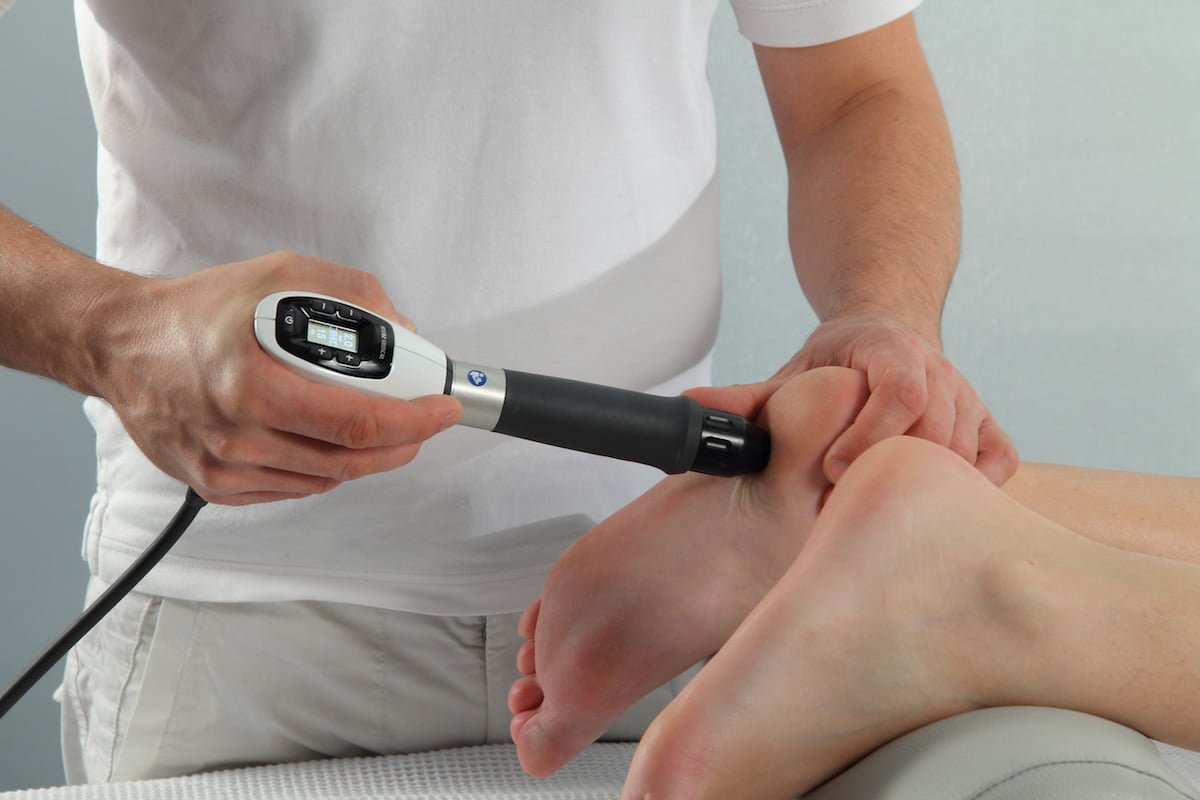
Pressure Wave Therapy – How It Could Help You

Honestly…this is one of the most exciting new treatment offerings we’ve had in the many years I’ve been in practice. Only a handful of practioners in the state of Maryland are offering pressure wave therapy, despite the success of this non-invasive treatment. So here’s how I learned about pressure wave therapy and more details about this exciting new service available at Life Care Chiropractic and Wellness.


Why I’m Offering Pressure Wave Therapy

I came across this treatment technology at a national chiropractor meeting. I was very intrigued, as I had never heard of it before. At the meeting, I spoke to the representative from the company showcasing the technology, and learned that pressure wave is the same approach used to break up kidney stones.

As well, the representative shared the success they’d had in treating patients with plantar fasciitis – a condition impacting many of my patients. I saw that pressure wave could potentially break up the calcification and improve the blood flow, stimulating stem cells. That struck a chord with me…and I knew almost instantly that I wanted us to offer this treatment.

I went back to Maryland and did a bit of research, finding that first, only a few practices offered pressure wave in our state. After getting the equipment and receiving training on how to use it, I used pressure wave therapy on several people – including myself (I had a horrible foot pain). For the majority, the pain was completely resolved with just one treatment! It typically takes three to five treatments for resolution.


How it Pressure Waves Work

Radial pressure waves offer a treatment solution to long term/chronic tendon and soft tissue injuries that is completely non-invasive. No surgery, no injections, no pills. This treatment of the affected area will support and reset the healing pattern (even regenerating damaged tissue!). The process has been shown to improve chronic pain – even if the initial injury or pain condition began many, many years ago. Most patients feel a major reduction or a complete removal of pain.

Our therapist will apply shock waves through a specially designed hand piece that produces strong energy pulses for short periods of time. These high energy acoustic waves are transmitted through the surface of the skin directly to the affected tissue areas in a controlled procedure. Pressure waves have a mechanical effect on the tissue which stimulates the cells in the body which are responsible for healing. The micro trauma of the repeated pressure waves creates new blood flow to the area. It is the new blood flow that promotes tissue healing.

Pressure wave therapy produces an acute inflammatory process in the treated tissues. Your body responds by increasing the metabolic activity around the impacted area which in turn stimulates and accelerated the body’s own healing mechanisms.

RELATED: What You Can Do to Make Injuries Heal Faster


Success Stories with Pressure Wave Therapy

Many well-known clinics are using pressure wave therapy to treat a whole host of conditions – the Cleveland Clinic, Johns Hopkins University and Duke University are a few.

The data from research shows that the vast majority of patients with many pain conditions experienced improvement or even complete healing for their pain conditions. Some of the research results include:

  • 91% improvement for shoulder pain
  • 90% success rate for heal pain
  • 77% improvement for elbow pain
  • 76% success rate for achilles pain
  • 8 times more effective for hamstring pain than regular physiotherapy and chiropractic treatment

Other conditions where pressure wave therapy has been successful are: plantar fasciitis, rotator cuff pain, knee pain, foot pain, ankle pain, back pain, neck pain, hand pain and wrist pain. This therapy is continually being expanded to treatment for more areas of the body and more pain conditions.


The Cost-Effectiveness of This Treatment

Compared to many other treatment options, pressure wave therapy can not only be more effective, but less expensive in the long run.

First, there are no medication or surgical expenses. As well, for many other types of treatments, patients pay a $25-40 co-pay and could need as many as 20+ visits to complete their regimen. To compare, a typical plantar fasciitis patient would require physical therapy (PT) three times per week at a $25+ co-pay over months. This can add up to a lot of money quickly…and may still not yield pain relief.

With pressure wave therapy, less treatments are needed. We are packaging our treatment plans to make it easy and inexpensive for you to take advantage of this treatment:

$300 for three sessions

Fourth and fifth session for $50 each

It typically takes three to five sessions (10-15 minutes/session), and this will be our pricing starting in January.

As an introduction for my patients, I’m offering  discounted pricing from now through the end of the year:

$200 for three sessions

Fourth and fifth sessions for $25 each

Again, most patients will require three to five sessions.

So I’m hoping that many of you will consider this treatment option – and spread the word to your friends of family member suffering from one of the pain conditions we believe can improve with pressure wave therapy. For me, it’s one of the most optimistic treatment options I’ve come across in a long time. I am thrilled to offer it – and excited to start helping folks live with less pain or become completely pain-free!


Dr. Sharman

Finding the Right Pillow for You

Poor sleep is one of the topics that people complain about more than just about any other health issue. Who hasn’t heard their co-workers gripe about how they didn’t sleep well or didn’t get enough sleep? Sleep is truly a big deal…in all of our lives.

So it makes sense to do something about the part of sleep that you can easily control: finding the right pillow.

Our patients have enjoyed the benefits of quality sleep and comfort with our Pillowise Pillows. We get such incredible feedback that I thought I’d share the entire story of how we came to offer this sleep-changing pillow.


Discovering Pillowise

For the past 17 of the 22 years I’ve been in private practice, I have set up and run all of our chiropractic conventions for the Maryland Chiropractic Association.  About three years ago, one of my best friends from chiropractic school, Dr. Kevin Wong, was coming to speak to our association.

In the lead-up to the convention, Dr. Wong kept talking about this person named Thijs van der Hilst from the Netherlands who had an ergonomic sleep product company called Pillowise. Dr. Wong inquired if van der Hilst could come from the Netherlands to be a vendor over the weekend at our convention. It struck me as odd that this business person would want to travel all the way from the Netherlands just to meet the doctors in our tiny little association, but I agreed.

After spending the weekend getting to know van der Hilst and his products, I realized that he had something very different and far superior to any pillow I’d seen on the market. I also realized how passionate he is about his purpose in helping others to have quality sleep (a passion I actually share). I quickly fell in love with the Pillowise pillows…and knew I wanted to find a way to offer them to my patients.

After seeing people touch and test out the pillows at our convention, I knew that to offer them, we’d need to do more than link to a website. We’d have to physically have them in the office for patients to experience themselves.


The Pillowise Approach

We started carrying Pillowise and with van der Hilst’s training, I learned how to measure patients correctly and recommend the best pillow. An appropriate pillow, one that is the correct height and shape, will adapt to the contours of your neck, is comfortably soft and gives great support. So to determine your perfect pillow match, you need to get measured. Patients get to lay on them during the fitting process.

Fitting the pillow involves three distinct measurements along with a series of questions about your sleephabits and environment. Many ergonomic pillows come in different sizes but these types of specific measurements, along with the questions, are unique to Pillowise. Most custom pillow products offer a few sizes while Pillowise has six! The Pillowise system yields the perfect pillow fitted to your dimensions, with optimal support to the cervical spine and head.


RELATED: How to Improve the Quality of Your Sleep – Part One


The perfect pillow “fit” allows muscles to relax during sleep. I’m thrilled that the Pillowise products are 100 percent Oekotex certified – the highest certification you can get for non-toxic materials. And finally, the company makes sure you are completely satisfied with your pillow investment. Every pillow has a 100%, 30-day money-back guarantee, as well as a five-year warranty. If you don’t love your Pillowise pillow, just bring it back and receive a full refund.


Our patients’ response

Well, our patients have gone crazy over Pillowise! They love getting to touch and feel the pillows before making their purchase. My mother purchased one and shared that she hasn’t had neck pain from sleeping even once since she started using her Pillowise pillow. Feedback across the board has been outstanding.

We had so many patients in the office getting fitted for pillows that my staff became experts at fitting and now do it with great ease. And we continued to get to see van der Hilst, as he started coming to all of our conventions twice a year. His booth would get so busy with doctors trying to learn about his pillows, that my employee Tiffany once jumped right in and started showing other doctors how to fit the pillows and explaining how they work! Tiffany was such a natural that Pillowise hired and trained her to be van der Hilst’s US liaison. So we have our very own Pillowise representative and expert….working right in the office!

Now the company has expanded the product line to include custom-fit travel pillows and mattress toppers.

Pillowise is such a wise investment – considering you’ll be using this product every single night! And your sleep is so valuable to your overall health. Pillows start at $99 – very typical for custom pillows – and we want to give you a special offer to encourage you to try Pillowise.

From now through October 31, save $10 off the regular or travel Pillowise pillow.

If you’re not sure, please make time to stop by and see what all the fuss is about! We’ll be happy to talk with you about the pillows and let you check them out. If you decide it’s for you, we can get you fitted – and you’ll be on your way to a better night’s sleep.


Dr. Sharman


Chiropractors Can Help With Vertigo

Vertigo – it comes in many forms, has many causes, can be acute or chronic and affects around 35-40% of all people over the age of 40 at least once in their lifetime. Perhaps you have experienced it? Or know someone who has? It’s extremely frustrating and debilitating…and if it is chronic, it is a tough way to live your life.

When I hear about a friend or relative having an experience with vertigo, I always feel a lot of empathy for what they are going through. Sufferers often have a sense that the room is spinning, with extreme dizziness. Vertigo can be accompanied by tinnitus – or a ringing of the ear – balance issues, nausea and vomiting and headaches. Some folks can even lose their hearing over time.

I’ve known people to have a temporary experience with vertigo that thankfully subsided over time. Vertigo has various causes but many are related to the inner ear. Patients have asked me if chiropractors can help with Vertigo – and the answer is yes! But before visiting one, here’s what you should know about the condition and the treatment.


What Causes Vertigo

Vertigo is not a condition you can predict or expect to have happen. For many, it just shows up one day, although there are some instances when head trauma or a virus can trigger it.


Central vertigo occurs as the result of a disturbance in one or more parts of the brain, known as sensory nerve pathways.


Peripheral vertigo occurs when there is a disturbance in the balance organs of the inner ear. This is the more common cause of vertigo. Within this category of causes, there are a few main kinds:

  • Benign paroxysmal positional vertigo or BBPV is a condition that affects the inner ear, particularly when calcium particles or crystals clutter in the canals of the ear and the endolymph fluid can’t move them along.
  • Meniere’s disease is caused by a change in pressure in the ear plus a buildup of fluid. This can cause both vertigo and possibly hearing loss.
  • Labyrinthitis is commonly associated with having an ear infection in the structure of the ear that controls hearing and balance.
  • Vestibular neuritis is also a condition commonly associated with having an ear infection. The nerves of the inner ear become inflamed and vertigo symptoms ensue.


Treatments for Vertigo

For the forms of vertigo that don’t go away without treatment, there are some treatment options that do work. In fact, many forms of vertigo – and BBPV in particular – can often be cured over time when specific treatment is applied.

There has been some research on the impact of chiropractic on people suffering from vertigo symptoms, such as dizziness and lack of balance. In this study, patients did improve over time.

Primarily, we chiropractors offer three kinds of treatments that have all shown to be impactful in reducing the symptoms of vertigo.


Chiropractic manipulation focuses on the joints that are not moving properly. Cervicogenic vertigo, when the joints of the upper neck send the wrong signals to the brain about body position and movement, benefits the most from chiropractic manipulation. Chiropractor Don Fitz-Ritson conducted a study that had a 90 percent success rate when treating this type of vertigo with manipulation, after 18 months of treatment.


Positioning maneuvers is another approach that is well-known for improving vertigo symptoms. If the source of vertigo appears to be the inner ear, it may be that debris has accumulated in the balance center of the inner ear. When debris settles in the complex system of fluid-filled tubes of the inner ear, patients can end up with vertigo. By conducting positioning maneuvers, with the Epley Maneuver being one of the most recognized, a chiropractor can attempt to reposition the debris to a less problematic position within the inner ear. This maneuver works well for benign paroxysmal positional vertigo or BPPV.


Finally, we can show you some exercises that are designed to break up the crystals that can lead to Vertigo. They target the vestibulocochlear system, with the Brandt-Daroff exercises being the most commonly known. Patients have to follow the steps religiously and repeat them five times in the morning, afternoon, and evening for about two weeks.

With the Brandt-Daroff approach, I have the patient sits on the edge of his/her bed and alternately lay on first one side, back upright, then the other side at one-minute intervals. While this can help with symptoms if the protocol is followed, I always warn patients that there is a risk of nausea – so folks should discontinue if that symptom becomes severe.


Conclusion

While vertigo can be difficult to live with and challenging to resolve, for many people it will go away within a few weeks or months. For some, this won’t happen without treatment. If you find yourself with a bout of vertigo, it’s hard to do nothing and hope it will disappear. So consider seeking help! Chiropractors can help with vertigo – and once we diagnose the cause of your vertigo, we’ve got several options for how to help you get rid of it. I hope you never have it, but I’m here if you do.


Dr. Sharman

Taking it Seriously…and Preventing Heat Stroke

Heat stroke is something most folks have heard of…but may think is not a risk for themselves. But with the summer months and heat index in full swing, it’s something everyone should know about.

We tend to think of serious athletes – marathon runners, for example – or maybe even people who work in landscaping or farming as being the kind of people susceptible to heat stroke. The reality is that the average person, in the right conditions, could suffer from heat stroke.


So what causes heat stroke?

Heat stroke occurs when your body can no longer regulate your core temperature. When you become overheated, those natural processes can fail and your body can’t cool itself. This is due to high temperatures, excessive physical activity or a combination of both.

Biologically, our bodies release heat by sweating. First, our blood vessels begin to swell, or dilate, causing our skin to look red. Blood then flows close to the surface of our skin so that we transfer heat from our skin into the air. As well, our muscles cause our body hair to lay down flat to further increase heat loss. Then our glands secrete sweat onto our skin in order to increase heat loss by evaporation. This process continues until our body temps return to normal.

But in heat stroke, we sweat so much that we become dehydrated. When our bodies run out of fluids to sweat and we haven’t been drinking enough water to supply more fluids, our body temperature will continue to rise. At that point, heat stroke symptoms kick in.


Symptoms

It’s really important to be aware of the signs of heat stroke so if you are outside in the heat and are struggling to cool down, you can get the help you need. Heat stroke typically has a few warning symptoms to let you know it’s coming. Be aware if you begin to experience any of these:

  • Fainting – also known as heat syncope occurs when your blood vessels dilate so much that it reduces blood flow to your brain. You may not completely pass out but feel dizzy, light-headed and even nauseous.
  • Muscle cramps – may occur even if you aren’t doing anything strenuous. This is also a warning sign of dehydration.
  • Heat exhaustion – is simply feeling ill from the heat…nauseous, weak, head aching, clammy and even like you may throw up. Your skin may actually become dry, due to lack of fluid for sweating. If left untreated, heat exhaustion can easily advance to heat stroke.

Full-on heat stroke is a serious medical emergency. It can lead to brain damage, organ failure and even death, if untreated. Aside from the warning signs previously mentioned, sufferers of heat stroke may experience confusion/delirium. Their urine turns a dark-brown color. They may have a seizure. They may have shallow breathing.


Prevention

The obvious solution, once you start experiencing the warning symptoms, is to get out of the heat. As well, you’ll need to get access to water quickly. Before you begin any activities outdoors, you should know if you have any risk factors that make you more prone to heat stroke.

But in general, heat stroke is preventable…in many very commonsense ways.

For starters, drink plenty of water – not just during your activity but the day before. Hydrating your body well in advance is half the battle. You can also eat more hydrating foods, such as watermelon, tomatoes, and avocados as a means of getting more water into your body. Avoid alcohol and caffeine, as they have a tendency to dehydrate the body.

If you can avoid direct sunlight, you should. Limit your outdoor time on particularly hot days to the hours when the sun is less severe. Get into the shade to take breaks from the sun and heat. Use an umbrella for protection. And make sure the clothing you wear is lightweight but can provide some protection from the bright sun.

Know your medications. Some medications may affect your ability to deal with higher temperatures. Antibiotics are one such example. So are antidepressants, antipsychotics, antihistamines, laxatives, diuretics and medications for heart disease, blood pressure, cholesterol and seizures. Talk to your physician if you take any of these medications and learn what your risks may be.

Get cool. On some days, you will just need to avoid the heat altogether and stay indoors with good air conditioning (fans may not be enough). If you must be outdoors, take breaks and get into an air-conditioned space to allow your body time to cool down. You may even want to take a quick, cool shower or get cool cloths and apply them to your neck during your breaks.

RELATED: Is the Farmers’ Market Really That Good for You?


Final thoughts

Please watch out for others in your life – especially the elderly – who may be susceptible to heat stroke. If you’re with someone who is displaying heat stroke symptoms, call 911 immediately. Then move the person to a cool place, apply cool compresses and wait for the medical professionals to arrive.

Heat stroke is a serious medical emergency. Immediate treatment is vital. So be aware this summer for your own sake and for those you love.

Dr. Sharman

How to Eat a Mediterranean Diet

The Mediterranean diet – you’ve likely heard of it but may not know why it’s popular, how it would benefit you or what to do to get started. The good news is that it’s not a fad diet – one that you try for a while and drop after reaching your goal (weight loss, cholesterol level reduction, etc.). What I love about it is that the Mediterranean diet is more of a lifestyle plan for eating and achieving wellness. Best of all, you can incorporate parts of it into your meals and still get some great benefits for your overall health and specific health conditions.

So let’s learn more about this lifestyle approach to eating.


The Diet Defined

how to eat a Mediterranean dietThe Mediterranean diet gets its name from the traditional cooking and eating style of the countries bordering the Mediterranean Sea – Greece, Turkey, Israel and Spain…to name just a few. The diet incorporates the basics of healthy eating with fruits, vegetables, fish and whole grains. Specifically, the tenants of Mediterranean diet include:

  • Eating primarily plant-based foods, including legumes and nuts
  • Replacing butter with extra-virgin olive oil
  • Flavoring foods with herbs and spices over salt
  • Only eating red meat a few times a month
  • Eating fish and poultry at least twice a week
  • Avoiding sugar-sweetened beverages, processed foods, refined grains and refined oils

As well, a part of this diet/lifestyle of eating includes enjoying meals with family and friends. I love this! Eating is pleasurable and it’s important to not eat in a hurry and grab things quickly. The emphasis on sharing meals helps us to focus on taking time to enjoy the food we eat. The diet also advocates drinking red wine in moderation and getting plenty of exercise. Many of the people in the countries from where this diet hails spend a lot of time walking each day rather than driving in a car.


Benefits of the Mediterranean Diet

As with most diets that focus on plant-based foods and steer clear of processed foods and unhealthy fats, you will likely lose weight. For those of us looking to trim back our weight, this eating lifestyle will help you do it while still enjoying many delicious foods.

Studies have shown that the traditional Mediterranean diet reduces the risk of heart disease – so anyone with a preexisting heart condition or the genetics to develop a heart condition should consider this diet. As well, it’s been shown to help reduce the level of oxidized low-density lipoprotein (LDL) cholesterol – what we often refer to as “bad” cholesterol – that can build up and eventually cause blocked arteries.

The Mediterranean diet is associated with a reduced risk of cardiovascular mortality, incidence of cancer and occurrence of Parkinson’s and Alzheimer’s diseases. It may even reduce breast cancer in women, due to the emphasis on extra-virgin olive oil and mixed nuts. The bottom line is that most scientific organizations encourage this eating lifestyle as a preventive for many major diseases and to improve overall health and wellness.

There’s just not much to NOT love about it!


Getting Started with the Diet

It’s really not complicated to get started once you learn a little about the foods to include and exclude from this eating lifestyle.

What to eat

  • Generous helpings for various fruits and vegetables
  • Nuts and seeds – go beyond peanuts; think about almonds, walnuts, Macadamia nuts, hazelnuts, cashews, sunflower seeds, pumpkin seeds
  • Legumes– seed or pod foods like beans, peas, lentils, chickpeas
  • Tubers – foods grown underground such as potatoes, sweet potatoes, turnips
  • Whole grains
  • All kinds of seafood and fish at least twice a week
  • Poultry
  • Dairy – Greek yogurt, cheese
  • Extra-virgin olive oil plus other healthy fats like avocados
  • Herbs and spices –  garlic, basil, mint, rosemary, sage, nutmeg, cinnamon, pepper

Stick with whole, single-ingredient foods.


What not to eat

In general, processed and multi-ingredient foods are to be avoided. To know what to avoid, you’ll likely want to get in the habit of reading labels more carefully. Specifically, steer clear of:

  • Table sugar
  • Anything with added sugar – ice cream, sodas, candy
  • Refined grains – non-whole grain breads, cereal, pasta
  • Anything containing trans fats, especially margarine
  • Refined oils – canola, vegetable, soybean
  • Processed meats – hot dogs, lunch meats
  • Highly processed foods – made in a factory or labeled “diet”


A Word About Beverages

how to eat a Mediterranean dietYes, red wine is a staple in the diet of these Mediterranean countries. However, it’s meant to be consumed in moderation. Studies have connected wine with a reduced risk of heart disease in some research studies. So how much should you drink?

A moderate amount of wine means no more than 5 ounces of wine daily for women (or men over age 65), and no more than 10 ounces daily for men under age 65. This is about one glass per day.

Water is actually the main beverage in the Mediterranean diet. Coffee and tea are OK (both are made from water) but avoid any sugar-sweetened beverages and fruit juices.


Resources

Sample diets abound online – so if you’re not ready to invest in a cookbook, start here with some ideas for crafting your own Mediterranean meal plan. Some websites have downloadable cookbooks with recipe and meal planning ideas.

There are tons of cookbooks available – one of the best rated ones I came across is The Complete Mediterranean Cookbook. It contains over 500 recipes that have been kitchen-tested. And if you want to read more about this eating lifestyle and others from around the world, I highly encourage you to check out a fun website called Oldways. You will learn a great deal and come to appreciate how cultural food traditions can impact our health and wellness.

Eating healthy doesn’t have to be a chore….it can still be a very positive experience with significant benefits to your wellness.  If you switch to this eating lifestyle, be sure to let me know about your experience!


Dr. Sharman