1 Post Office Road

Waldorf, MD 20602

Open 6 Days a Week

Schedule Appointment

How to avoid Lyme disease: what you need to know

Most folks have heard of Lyme disease. Some know people who have had it. But do you know enough about how to avoid Lyme disease?

I sometimes suspect Lyme when someone is achy in multiple joints or I see a suspicious bite site on my patient and suspect it. We’re in a time of the year when people enjoy walking in the woods, where ticks, the carriers of Lyme disease, live. Not every tick carries the disease but it’s important to know the basics of Lyme disease and importantly, how you can avoid getting it.


How Lyme disease happens

In the US, the two species of bacteria that cause Lyme disease are carried by black-legged or deer ticks. To contract the disease, the infected tick must bite you and remain attached for 36-48 hours. The bacteria from the tick enters the skin through the bite site and makes its way into the bloodstream.

The vast majority of ticks are not black-legged or deer ticks…and do not carry the disease. If you find an attached tick that looks swollen, it may have been attached long enough to transmit bacteria. Therefore, the best way to prevent infection is by removing ticks as soon as possible.


Signs that you may have Lyme disease

Image result for tick biteLyme disease symptoms can be categorized into early signs and later signs.

Early signs

In the first day or two after a tick bite, most people see a small, red bump similar to a mosquito bite. For the most part, the bump goes away in a few days. This is normal and doesn’t necessarily indicate Lyme disease.

If infected, you’ll see other early signs within three to 30 days after the bite. Some people get an expanding red rash that is often clear in the center, creating a bulls-eye pattern. It can grow quite large, expanding slowly over time, without being itchy or painful although it may be warm to the touch. Other early signs include fever, chills, fatigue, aches, swollen lymph nodes and neck stiffness.


Later signs

Additional signs or symptoms can show up if you have not received treatment during the early stage. A rash could appear on other areas of your body. You may find that you have severe bouts of joint pain, particularly in your knees.

Unfortunately, for a long time after infection – anywhere from weeks to year – new symptoms can show up, including meningitis, Bell’s palsy, numbness or weakness of limbs, fatigue, psychiatric symptoms and impaired muscle movement.

Less common, untreated Lyme disease can result in heart, eye and liver problems, as well as severe fatigue. It can even cause cognitive impairment, such as memory loss.


What to do if you’ve been bitten

First, don’t panic. Only a small percentage of tick bites lead to Lyme disease, with the greater risk occurring the longer the tick remains on your body. If you remove a tick in less than 36 hours, it’s much less likely that the tick could have infected you.

If you do start experiencing symptoms that you believe may be Lyme disease, get to a doctor right away. Early treatment can make an enormous difference. Even if your symptoms appear then go away, see your physician. The absence of symptoms doesn’t mean your Lyme disease is gone. And you don’t want to leave it untreated, as Lyme disease can spread to various parts of the body for years after infection.


Treatment for Lyme disease

The standard protocol for early-stage Lyme disease treatment is a regimen of oral antibiotics. Most individuals take a 14 to 21-day course.

If the disease is impacting your central nervous system, your physician may recommend intravenous antibiotics for 14 to 28 days. While this is often effective in eliminating infection, you may take longer to recover from your symptoms. It’s also important to know that there are side effects to intravenous antibiotics, including a lower white blood cell count, mild to severe diarrhea, or colonization or infection with other antibiotic-resistant organisms unrelated to Lyme.

For many people, this is it. They recover and move on. However, a small number of people will continue to have symptoms, such as muscle aches and fatigues. Physicians refer to this as post-Lyme disease and more antibiotics won’t help. This is likely one of the most frustrating parts of contracting this condition. While more research is needed, some experts believe that certain folks who contract Lyme disease are predisposed to developing autoimmune illnesses that contribute to ongoing symptoms.


Most importantly, how to avoid Lyme disease

Avoiding areas where deer ticks live, in particular, areas of woods or long grass, is the best way to prevent Lyme disease. But if you enjoy hiking or do outdoor work, you may not be able to steer clear of these spaces. Here are some ideas on how you can greatly decrease your risk:

  • Cover your body – wear shoes, long pants, long-sleeved shirt, hat, gloves. If you are walking a dog, keep them on a leash so you don’t have to chase them through any bushy or grassy areas.
  • Use insect repellent – a couple of months back, we wrote an article on the best insect repellents. Follow those guidelines.
  • Tick-proof your yard – clear out brush and leaves, mow your grass regularly and keep wood stacked in sunny areas to discourage rodents that can carry ticks.
  • Always check for ticks – be vigilant after spending time outdoors and check your clothing, your body and your scalp very carefully. Shower and use a washcloth. Remember, if you remove a tick quickly, you are much less likely to acquire Lyme disease.
  • Remove ticks quickly using tweezers – grasp the tick near its head or mouth without squeezing and pull carefully and steadily. Dispose of the tick by flushing it down the toilet and apply antiseptic to the bite area.

My favorite resource for Lyme disease information is the International Lyme and Associated Diseases Society. This is a great resource, particularly if you get a ​negative result from the basic Lyme disease test ​but suspect you have Lyme and require further testing (note: the basic test has a high false​ negative rate).


Dr. Sharman


Safe insect repellents that work

We’re at the peak of the tick and mosquito season, as our weather is at its warmest this month. And we are about to start the height of flea season. The warming climate is predicted to expand the habitat of ticks and mosquitos. So insect repellent is definitely needed. But which insect repellents are safe and effective?

Many of my patients who know of my caution in using products containing potentially harmful chemicals have asked me to suggest a safe insect repellent that will provide protection. It is important, for starters, to recognize that there is no perfect and completely safe way to prevent insect bites. However, all repellents are not created equal and you do have options for less toxic approaches.

This is what I usually share when I get asked about bug sprays.


Which ingredients are safe (and at what levels)

My go-to for any products containing chemical ingredients is the Environmental Working Group or EWG. A couple of months back, I shared my thoughts on sunscreen and much of my recommendations came from the research and advocacy of the EWG.

According to the EWG, DEET (at less than 30%), Picaridin (at 20%) and IR3535 (at less than 20%) are the safest, most effective ingredients. All three are found in insect repellents that live up to extensive EPA regulations with data to back up efficacy and safety claims. Here’s a quick primer on all three ingredients:


DEET

This is probably the ingredient you’ve heard of the most. It is rated as very effective in repelling a wide range of mosquitoes, ticks and other bugs. DEET has been used extensively and is a sensible choice for all-day protection. However, it often shows up in repellents at what are considered unsafe levels. DEET has a strong smell, can irritate the eyes and in rare cases can induce neurological damage. The incidents of nervous system damage most often occur after high exposures to DEET. And it’s even been known to melt plastic at these levels!

However, this is why less than 30% concentration is advisable. And really, you can be protected with just 10% for a couple of hours (then reapply). DEET isn’t perfect – but it has a long history of use and minimal safety concerns when used at appropriate levels. The EWG states that it’s a “reasonable choice” when weighed against the consequences of a life-changing disease, with few cases of toxicity in 60 years on the market. But it’s not the only choice you have.


Picaridin

Repellents containing picaridin have been shown to be effective against mosquitos and ticks from eight to 14 hours at a 20% concentration. It’s not an ingredient as widely used as DEET, so the number of studies is fewer…but it evaporates from the skin more slowly than both DEET or IR3535 and may repel bugs for longer periods. Other pros include very low inhalation toxicity, virtually no skin irritation and no stinky odor.

I wish Picaridin had more time on the market (it’s quite new) but it is promising. I also like that at very low concentration, this ingredient can provide minimum of five hours of protection. So you may get what you need with a product that has just 5-10%.


IR3535

With a long presence on the European market, IR3535 provides similar or slightly less efficacy than DEET or Picaridin against mosquitoes. However, it is twice as effective against deer ticks. At the recommended 20% concentration, you’ll get eight hours of mosquito protection and at least six hours of tick protection. But IR3535 can be very irritating to the eyes.

Otherwise, this could be a good choice but I’d recommend against purchasing brands containing added sunscreen (products using IR3535 often have this). Sunscreens require more frequent application…and combo products would overexpose you to the insect repellent.


Do essential oils and botanicals work

In short, they can. However, there is no way to know how effective they are or for how long. In relying on them, you’re likely heading outdoors with a false sense of security that could put you at greater risk than if you were using nothing at all. Repellents that rely on essential oils or botanicals are classified technically as a minimum-risk pesticide – meaning they undergo no significant testing of efficacy. An essential oils/botanical label can say that the substance repels mosquitoes and ticks, but they can’t say it will protect you from Lyme, Zika or any other vector-borne disease.

safe-insect-repellentEssential oils and botanicals mixtures can be made at home or purchased ready-made. They do offer SOME protection to be sure. But they also evaporate more quickly from the skin. You’ll have to apply more frequently, and again, you’ll get zero protection from some specific illnesses.

They can irritate the skin – or you may find that you are allergic to a specific essential oil or botanical. They are never recommended for young children, due to lack of research. The EWG recommends avoiding all botanically-based repellents if you like in a high-risk area for disease or need long-lasting protection except one: Oil of Lemon Eucalyptus. Repel and Cutter brands have well-known products with Oil of Lemon Eucalyptus as the active ingredient. But again, the protection time is much shorter than DEET or the other chemicals mentioned earlier.

In light of diseases such as Zika and Lyme, the consequences of ineffective repellents can be severe. It’s important to use one that you know works well. Essential oils have no standardized oversight, such as EPA regulations. You may be taking a chance in using them.


How else to repel insects

Thankfully, there are many other tactics for keeping insects at bay aside from what you apply to your body.

For starters, avoid the dusk and dawn in the US, when mosquitoes are the worst. Clear your yard of places where mosquitoes like to breed (particularly any place with standing water). Mosquito netting works well for many spaces such as tents, strollers and on the porch. Always cover up exposed skin as much as possible with long sleeves/pants – and you can spray your clothing rather than your body for some protection. This site had some other ideas you may want to try.


I had a patient recently that wore a dog tick/flea collars around his boots. He said it helps prevent ticks and bugs from getting him when he is working outside. I thought this was brilliant! And it would avoid any risk of toxicity because it isn’t touching the skin.

The bottom line is that we all have to protect ourselves, particularly if we are outside for a long time and in an area prone to insect-born illnesses. The good news is that we have safe insect repellents that are effective. We’ve just got to know the facts and choose our protection wisely!

Dr. Sharman


Photo credit: ID 137875252 © Elizaveta Galitskaya | Dreamstime.com

Which sandals are best for your feet (flip flops too)?

After months of having our feet hidden in shoes and boots, it’s finally time to show some toes and wear summertime shoes! While I love a fun pair of flip-flops or sandals as much as the next person, I unfortunately see the impact of wearing cheap, unsupportive shoes in the warmer months.

Those cheap, flat flip-flops that everyone seems to love to wear are horrible for arch support, contributing to plantar fasciitis and causing you to slip and get an injury from the lack of foot support. Slipping on the wrong pair of shoes week after week can result in pain that manifests itself in many parts of the body: feet, knees, thighs, hips, lower back and spine.

The good news is that you can opt for the sandals best for your feet – and even flip flops – without skimping on trendy and fun designs. And the best part is that you can purchase them right here from us!

Many of you know that through our partnership with Foot Levelers, we can create custom orthotics that fit into your shoes. However, most don’t realize that Foot Levelers also creates orthotic sandals and flip-flops, by designing their own products and fitting their orthotics into some well-known brands such as Naot.

So let’s take a look the sandals and flip-flops from Foot Levelers that we can help you get into right away.


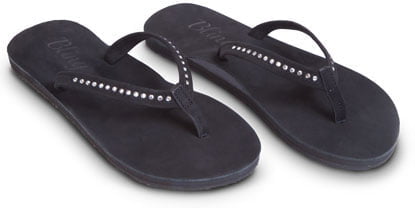
Custom Flip flops

Foot Levelers offers a wide variety of hand-made flip-flops that come with a patented 3 Arch Advantage, providing support for all three arches of the foot. Besides arch support, they are also designed with a softer, more comfortable mid-layer than over-the-counter flip flops and shock absorption on heel-strike. And what I really love is that Foot Levelers custom-fits the strap for your feet – basically making them fit like they were made just for you…because they are!

Getting fitted for your new flip-flops is easy. We have the scanning kiosk right in our office. Getting scanned and fitted only takes a few minutes. And with the scans, I’ll be able to help you choose the best flip-flops for your unique feet.

Not only will you get a great fitting pair of flip-flops – the styles are on trend with what you see in everyday retail stores. If you didn’t know, you would think they were simply cute, stylish sandals (the orthopedic shoe look of your grandma is nowhere to be seen!).

Which sandals are best for your feet

Most popular style: Bling

First custom orthotic flip-flop: Seabreeze

Great option for men: Catamaran or Maui

Flip-flops come in whole sizes only. You can view the entire line of custom orthotic flip flops here.


Custom Sandals

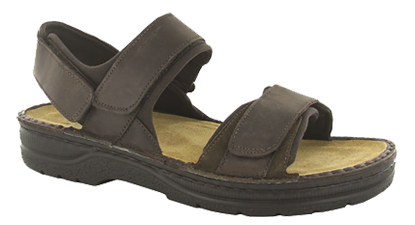
If you don’t find flip-flops as comfortable or need a dressier summer shoe, we’ve got you covered! There are two great options to choose from, First, Foot Levelers has teamed up with a popular sandal brand, Naot, to offer custom orthotics built into their shoes’ foot bed. Several Naot styles are available with a custom orthotic – including the Naot Paris, a nice heeled sandal you could wear with a dress or dress pants.

The second option is a truly custom sandal developed by Foot Levelers. This sandal, called Roanoke Sandalthotic® (named after the hometown of the company) comes in two colors and mirrors the style that many name brands are selling these days. The shoes are casual and comfortable with an anatomically-shaped cork-latex foot bed and adjustable straps.

Which sandals are best for your feet As with custom flip-flops, we will scan your feet in our office and send off measurements to Foot Levelers to have your shoes custom-made.

Sandals come in both men’s and women’s styles and in whole sizes only. You can view both the Naot sandals and Roanoke Sandalthotic®’s product lines online.


RELATED: 5 Reasons why custom orthotics will change your life for the better


Your feet are your foundation. And the wrong shoes contribute to pain in many parts of the body aside from your feet. Custom orthotics provide you the support you need for pain relief and comfort. The orthotics we can fit you for here in the office will last a very long time – and a pair of custom orthotic flip-flops or sandals will be worth the investment in the benefits your body will receive.

Which sandals are best for your feet For the summer, we’re offering a great deal for customers:

Buy one pair of custom orthotic shoes, flip-flops or sandals and get a second pair for $150! 

It’s like getting two pair of shoes for the price of one!

You can access the entire orthotic catalog here…then stop in our office for a quick feet scan. We will scan your feet, place your order and you’ll have your shoes back within a few weeks. Just in time for the pool – so don’t delay!

Dr. Sharman

Taking it Seriously…and Preventing Heat Stroke

Heat stroke is something most folks have heard of…but may think is not a risk for themselves. But with the summer months and heat index in full swing, it’s something everyone should know about.

We tend to think of serious athletes – marathon runners, for example – or maybe even people who work in landscaping or farming as being the kind of people susceptible to heat stroke. The reality is that the average person, in the right conditions, could suffer from heat stroke.


So what causes heat stroke?

Heat stroke occurs when your body can no longer regulate your core temperature. When you become overheated, those natural processes can fail and your body can’t cool itself. This is due to high temperatures, excessive physical activity or a combination of both.

Biologically, our bodies release heat by sweating. First, our blood vessels begin to swell, or dilate, causing our skin to look red. Blood then flows close to the surface of our skin so that we transfer heat from our skin into the air. As well, our muscles cause our body hair to lay down flat to further increase heat loss. Then our glands secrete sweat onto our skin in order to increase heat loss by evaporation. This process continues until our body temps return to normal.

But in heat stroke, we sweat so much that we become dehydrated. When our bodies run out of fluids to sweat and we haven’t been drinking enough water to supply more fluids, our body temperature will continue to rise. At that point, heat stroke symptoms kick in.


Symptoms

It’s really important to be aware of the signs of heat stroke so if you are outside in the heat and are struggling to cool down, you can get the help you need. Heat stroke typically has a few warning symptoms to let you know it’s coming. Be aware if you begin to experience any of these:

  • Fainting – also known as heat syncope occurs when your blood vessels dilate so much that it reduces blood flow to your brain. You may not completely pass out but feel dizzy, light-headed and even nauseous.
  • Muscle cramps – may occur even if you aren’t doing anything strenuous. This is also a warning sign of dehydration.
  • Heat exhaustion – is simply feeling ill from the heat…nauseous, weak, head aching, clammy and even like you may throw up. Your skin may actually become dry, due to lack of fluid for sweating. If left untreated, heat exhaustion can easily advance to heat stroke.

Full-on heat stroke is a serious medical emergency. It can lead to brain damage, organ failure and even death, if untreated. Aside from the warning signs previously mentioned, sufferers of heat stroke may experience confusion/delirium. Their urine turns a dark-brown color. They may have a seizure. They may have shallow breathing.


Prevention

The obvious solution, once you start experiencing the warning symptoms, is to get out of the heat. As well, you’ll need to get access to water quickly. Before you begin any activities outdoors, you should know if you have any risk factors that make you more prone to heat stroke.

But in general, heat stroke is preventable…in many very commonsense ways.

For starters, drink plenty of water – not just during your activity but the day before. Hydrating your body well in advance is half the battle. You can also eat more hydrating foods, such as watermelon, tomatoes, and avocados as a means of getting more water into your body. Avoid alcohol and caffeine, as they have a tendency to dehydrate the body.

If you can avoid direct sunlight, you should. Limit your outdoor time on particularly hot days to the hours when the sun is less severe. Get into the shade to take breaks from the sun and heat. Use an umbrella for protection. And make sure the clothing you wear is lightweight but can provide some protection from the bright sun.

Know your medications. Some medications may affect your ability to deal with higher temperatures. Antibiotics are one such example. So are antidepressants, antipsychotics, antihistamines, laxatives, diuretics and medications for heart disease, blood pressure, cholesterol and seizures. Talk to your physician if you take any of these medications and learn what your risks may be.

Get cool. On some days, you will just need to avoid the heat altogether and stay indoors with good air conditioning (fans may not be enough). If you must be outdoors, take breaks and get into an air-conditioned space to allow your body time to cool down. You may even want to take a quick, cool shower or get cool cloths and apply them to your neck during your breaks.

RELATED: Is the Farmers’ Market Really That Good for You?


Final thoughts

Please watch out for others in your life – especially the elderly – who may be susceptible to heat stroke. If you’re with someone who is displaying heat stroke symptoms, call 911 immediately. Then move the person to a cool place, apply cool compresses and wait for the medical professionals to arrive.

Heat stroke is a serious medical emergency. Immediate treatment is vital. So be aware this summer for your own sake and for those you love.

Dr. Sharman

Prevent Heart Disease: Ways Less Often Discussed

February is a great time to focus on the heart.

Earlier in the month, we marked Valentine’s Day – a time to celebrate love, be kind to others and be kind to ourselves. We get to connect and reflect on feelings within the heart. However, it is also a great time to literally reflect on your physical heart and its wellbeing. In fact, February is officially Heart Health Month.

Did you know that heart disease is the leading cause of death in the United States?

It affects both men and women…and thankfully it can be prevented! There are the obvious ways to prevent heart disease: don’t smoke, eat an anti-inflammatory low grain diet, with plenty of fruits and vegetables and exercise. Is there more you can do? I’d like to explore some of the less talked about ways to prevent heart disease.

Start by looking at the word disease. Break that word down and it is dis-ease. In other words, NOT ease. So at least a part of heart disease is related to not being in a state of ease. Stress plays a huge role in heart disease, often causing an increase blood pressure, irregular heart rhythms and increased levels of adrenaline and cortisol. So start with managing your stress as the first step to prevent heart disease.


Stress Reducers

Meditation

Remember meditation is not a one-time activity. It takes practice. No one tries it once and achieves a state of clear-minded calmness. Try downloading a guided meditation app. Start with a short, 5-minute guided meditation and go from there. Daily practice can lower blood pressure, improve mood and reduce damaging stress hormones in the body.


Biofeedback

Another alternative to meditation is biofeedback. Biofeedback is the process of gaining greater awareness of physiological functions by using instruments that provide information on the activity of those same systems, with a goal of being able to manipulate them at will. I love the products from Heart Math Institute. They have a device called the EmWave which helps to raise your awareness of when you are in a stressful state. The technology then helps you to shift back into a more relaxed and content state. The company has similar technologies as a phone app that couple with an ear sensor.


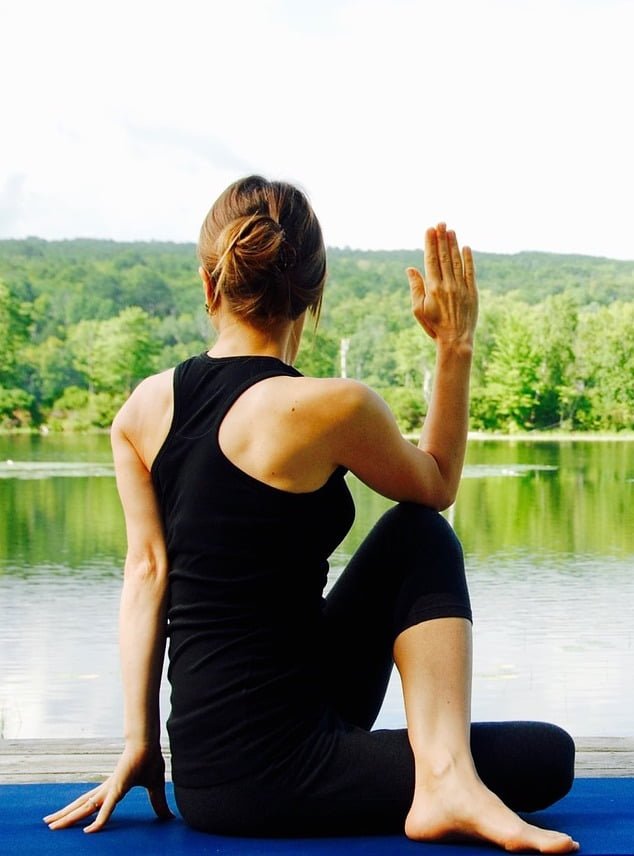
Yoga

Yoga is a great way to relieve stress through centeredness, focus and calming breath work.


RELATED: Ten Wonderful Ways Yoga Improves Your Health 


Slowing down  

The reality is that the world is on fast forward these days. But just because things seem to happen at lightning speed these days does not mean that you have to keep up that pace. Plan some time to relax for a bit every single day, no matter how busy you are. Give yourself permission to say no when you want or sense that you need to say no.


Be true to your heart  

People are simply less stressed and more resilient when they are living their life congruent with their own values. When our actions are in alignment with our authentic selves – our purpose and values – life just seems less stressful even when there are challenges. Keep this in mind.


Nutritional Considerations

prevent heart diseaseReduce sugar

In a study published in Journal of the American Medical Association Internal Medicine in January 2014, researchers found that the odds of dying from heart disease rose in tandem with the percentage of sugar in one’s diet. This was regardless of a person’s age, sex, physical activity level and body-mass index (a measure of weight).

My advice is to avoid the obvious worst offenders! We hear a lot about what we should eat, but do you realize the true damage occurring when you make poor choices? Know the worst offenders and steer clear of them.


Stay hydrated

It probably seems like I think hydration is the answer for every health issue. The truth is, it impacts a great deal of our health. Staying hydrated allows the heart to pump the blood through the vessels more easily, allows the heart muscles to work more efficiently and reduces the risk of heart attack and stroke.


Drink red wine

A single glass of red wine each day will give you a good dose of resveratrol, which lowers cholesterol, reduces risk of blood clots and prevents damage to blood vessels. One glass is enough to gain benefits – but keep it to one glass most days.


Supplements

Finally, we can’t talk about heart disease prevention without at least mentioning supplements. There are many great ones you can take for heart health, but I have narrowed it down to what I would consider the top three most important.

  1. CoQ10 – Take 200 mg daily if you are over 50 years of age or on a statin drug. Otherwise, take 100 mg. The heart is constantly working and never takes a break as long as you are living. This requires a lot of energy for the heart muscles. CoQ10 is critical for the mitochondria in the heart muscle cells to make energy so they can keep working. As you age, you are less able to make CoQ10. Statin drugs deplete your CoQ10.  
  2. Omega 3’s – Omega 3’s turn down your inflammatory pathways. Since inflammation is tied to all chronic diseases of aging including plaquing of the arteries, high blood pressure and high cholesterol, Omega 3’s are just what the doctor ordered in lowering the risk of heart disease. Eat plenty of Omega 3-packed fish too! To learn if you are deficient in Omega 3, we can test you.
  3. Magnesium –  This supplement lowers blood pressure, helps the heart to beat more regularly and improves sleep. It is a great distress-type of nutrient.

I hope this blog has helped you to zero in on a least a few strategies to prevent heart disease! Be kind to yourself and have a great February.

Dr. Sharman


How to prevent pain while playing a sport (it’s all in how you prep!)

Golf, basketball, tennis, softball….these and other sports are fulfilling hobbies for adults.

You don’t have to do sports as an elite athlete or professional to get the benefits of staying physically fit while developing life skills such as teamwork, leadership and dedication.

But whether you are a pro or hobbyist, we want you to be able to play your chosen sport with as little pain or injury as possible. Staying pain-free and uninjured is critical – for enjoyment as an amateur or for your livelihood if it is your profession.

So how do you stay a step ahead…and prevent pain while playing a sport? Here are four preventative strategies we recommend – and our role in each of them.


Condition before you start playing

It is critical to condition yourself ahead of time before jumping into a sport. A person can’t just throw themselves into a new sport without gradually conditioning the body to develop strength, flexibility, speed, endurance and the skills unique to the sport.

Start by getting a sports physical before you begin playing your sport. At Life Care Chiropractic and Wellness Center, we are able to assess and correct your faulty movement patterns. Every athlete has a weak link somewhere that can make them more prone to injury. So, we’ll help you identify yours. Improving these weak links or poor movement patterns can go a long way in helping you stay well and injury-free.

Next, develop your core strength and work on your breathing.  Believe it or not, an athlete’s core is involved in just about every action, stabilizes the spine and pelvis and providing a firm anchor for the extremities. Breathing correctly matters too! Proper movement of the diaphragm stabilizes the body and prevents injury by creating stabilizing intra-abdominal pressure in 360 degrees. At Life Care Chiropractic and Wellness Center, we have processes that evaluate the breath and determine if there are deficiencies in intra-abdominal pressure that could leave you vulnerable to injury or pain – please take advantage of this!

Finally, develop a habit for both a static stretch and a dynamic warm-up to do before you participate in your sport. Studies have shown that the dynamic warm-up is even more important than stretching for injury prevention. It warms up the muscles and prepares them for the activity coming next. We like some of these pre-exercise warmup ideas from Men’s Fitness.

prevent pain while playing a sport


Make sure you have the right footgear

Another critical component of playing sports pain-free is wearing custom-made foot orthotics. Your feet are your foundation, after all. Pronation, arch collapse or even unsupported high arches can leave you vulnerable to pain and injury. In our office, we do a 3D foot scan to assess the condition of your feet and prescribe Foot Levelers orthotics when needed. Foot Levelers has done research showing positive effects of athletes wearing orthotics during their sport. From reducing football injuries, creating some improvement of vertical leap and improving balance and proprioception in golfers, orthotics have been shown to have positive effects for athletes.

It is no secret that most professional athletes and Olympians are routinely treated by a chiropractor. And no wonder – seeing a chiropractor on a regular basis helps to achieve optimal function and performance of an athlete. Chiropractors are uniquely trained to looks at biomechanics, nervous system function, balance and posture. If an athlete does experience pain, chiropractic is a great way to quickly get the person out of pain naturally and effectively.

Getting connected with a chiropractor before you begin playing a sport or have a sports-related injury is a smart move. Tom Brady of the New England Patriots said, “Chiropractic just makes you feel so much better. When I walk out of the clinic, I feel like I’m about three inches taller and everything’s in place. And as long as I see the chiropractor, I feel like I’m one step ahead of the game.”


Fuel your body properly

You may not realize this but nutrition is critical in staying fit and pain-free. It starts with proper hydration and electrolyte balance to prevent muscles from going into spasms and generating cramps and strains. But proper nutrition is also essential in maintaining strength, speed and endurance during play. If you do end up in pain after playing your sport, there are many ways to turn down inflammatory pathways with food and supplement protocols. Tumeric and Omega 3 fish oils are great for reducing inflammation. Also, we actually have a way of testing your Inflammation Index through a finger prick test and can use the results to make a plan for reducing your inflammation.  Just ask us about it.


Move in other ways

Our last preventative strategy is to find ways to move your body in ways that aren’t the same as the repetitive movements of your chosen sport. Anytime you do a motion over and over again, you run the risk of injury. Variety of movement is important to mitigate this risk. Take a yoga class once a week, get together with some friends for a friendly game of softball or kickball or go for a hike on the weekend. Just do physical activity that is different from your normal sport. And remember that everyone needs a rest day so that the body can heal and restore itself.

It may be impossible to go through a season of sports with absolutely no pain or injury, but there you can lessen your odds for an injury, how much pain you will be in and how long you will be in pain. Just follow some of our preventative strategies. And maybe just maybe, you can get through your season completely pain-free!


Dr. Sharman

Cold and Flu – More Help

In my last blog, I talked about the real cause of colds and flu – and my #1 preventative, taking vitamin D.  The bottom line is that you need to strengthen your immunity during this time of increased incidence of cold and flu. Knowing both the contributors of a weakened immune system and ways to build a stronger immune system is your first step.

Limit your intake of sugar, grains and processed foods

Cold and flu prevention does start with what you eat.  Sugar, grains and processed foods are pro-inflammatory substances that stresses rather than nourish your body.  If you want to indulge in sweets, try small doses of dark chocolate, which is actually anti-inflammatory.  Dark chocolate with almonds is an even better choice, as the protein and good fat in the almonds will help minimize any blood sugar spike.

Organic-fruits-and-vegetablesEat food that encourage immune functioning

Boost your immune functioning by including plenty of the following in your diet:  organic fruits and vegetables, fermented foods (such as kimchee or sauerkraut), coconut oil, fish rich in omega 3 fatty acids and grass fed meat.  Consider adding immune-boosting spices to your cooking or take them as a supplement.  Garlic, turmeric, oregano, clove and cinnamon are good options.

Cold and Flu – Cause and Prevention

cold and flu photo
Swallow Falls – photo courtesy of Dr. Sharman

Wondering if you’ll get the common cold or the flu this winter?  The question is not IF you will be exposed but WHEN.  Germs and the flu virus exist everywhere you go… the grocery store, work, the coffee shop, etc.  Well, you have a lot more control over getting sick then you think!  Both your current health and the strength of your immune system during the time of exposure have an impact on cold and flu prevention.