1 Post Office Road

Waldorf, MD 20602

Open 6 Days a Week

Schedule Appointment

How to Give the Gift of Wellness

Gift giving is a challenge – especially for those in your life who basically have all the “stuff” that they need. So why not consider giving the gift of wellness this holiday season?

Here are three ideas for wellness gifts that the special people in your life are sure to enjoy! And all can be purchased at our office.


The gift of….better sleep!

Product: Pillowise Cervical Pillow

Cost: $119

More details: https://pillowise-usa.com
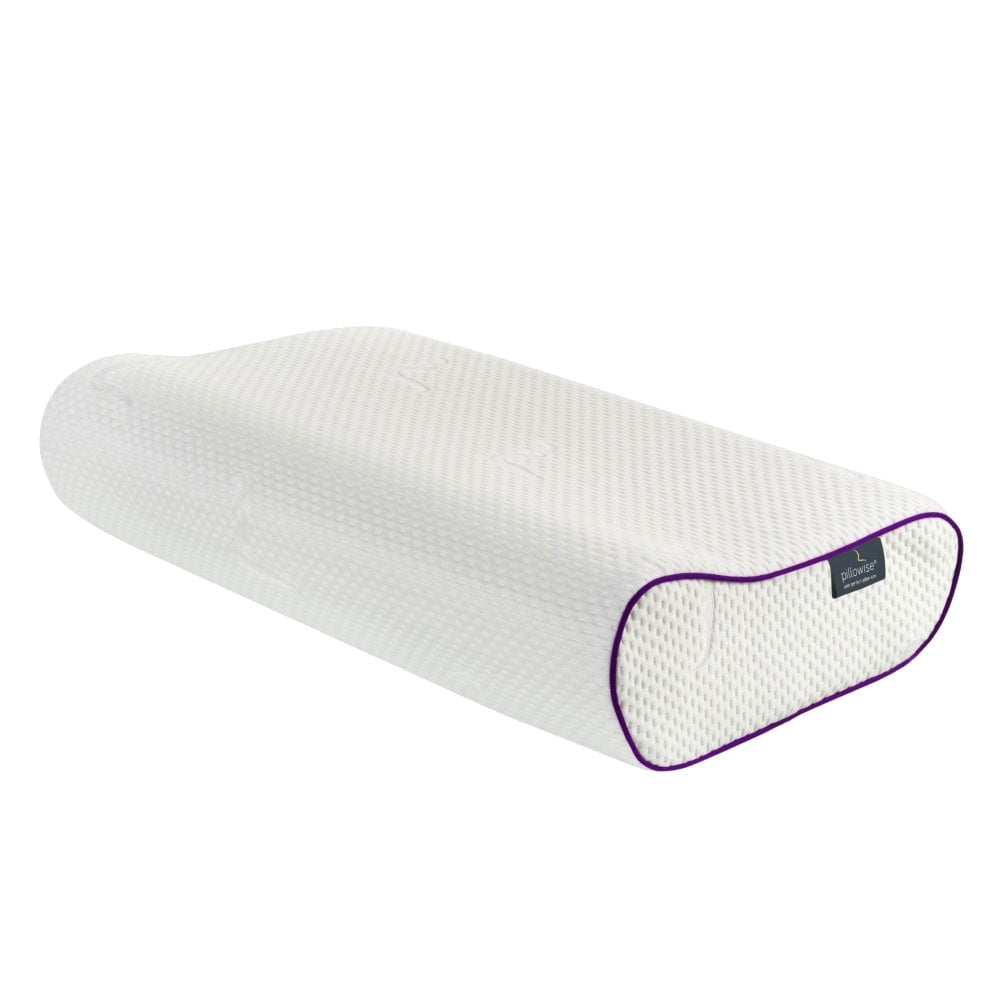
gift of wellnessOne of the issues I hear the most about from patients is poor sleep. For many, getting a good night’s sleep is worth its weight in gold! So it’s natural that the perfect pillow is one of my first wellness gift recommendations.

Pillowise Cervical Pillows are measured to fit your body – essentially, they are custom designed for YOU. We fit the pillow to your body at our office by taking measurements along with asking a series of questions about your sleep habits and environment. Most custom pillow products offer a few sizes while Pillowise has six! The Pillowise system yields the perfect pillow fitted to your dimensions, with optimal support to the cervical spine and head.

This attention to “fit” allows your muscles to relax during sleep…and provides the optimal resting space for your head and neck so you can have quality sleep. Our patients love them so much they often buy a travel size pillow too!

Pillowise has a money-back guarantee, and we have samples in the office so stop by and feel just how comfortable these pillows really are.


The gift of….reduced pain!

Product: Max and Stevens Full Spectrum CBD drops

Price: $55

More details: https://maxandstevens.com/
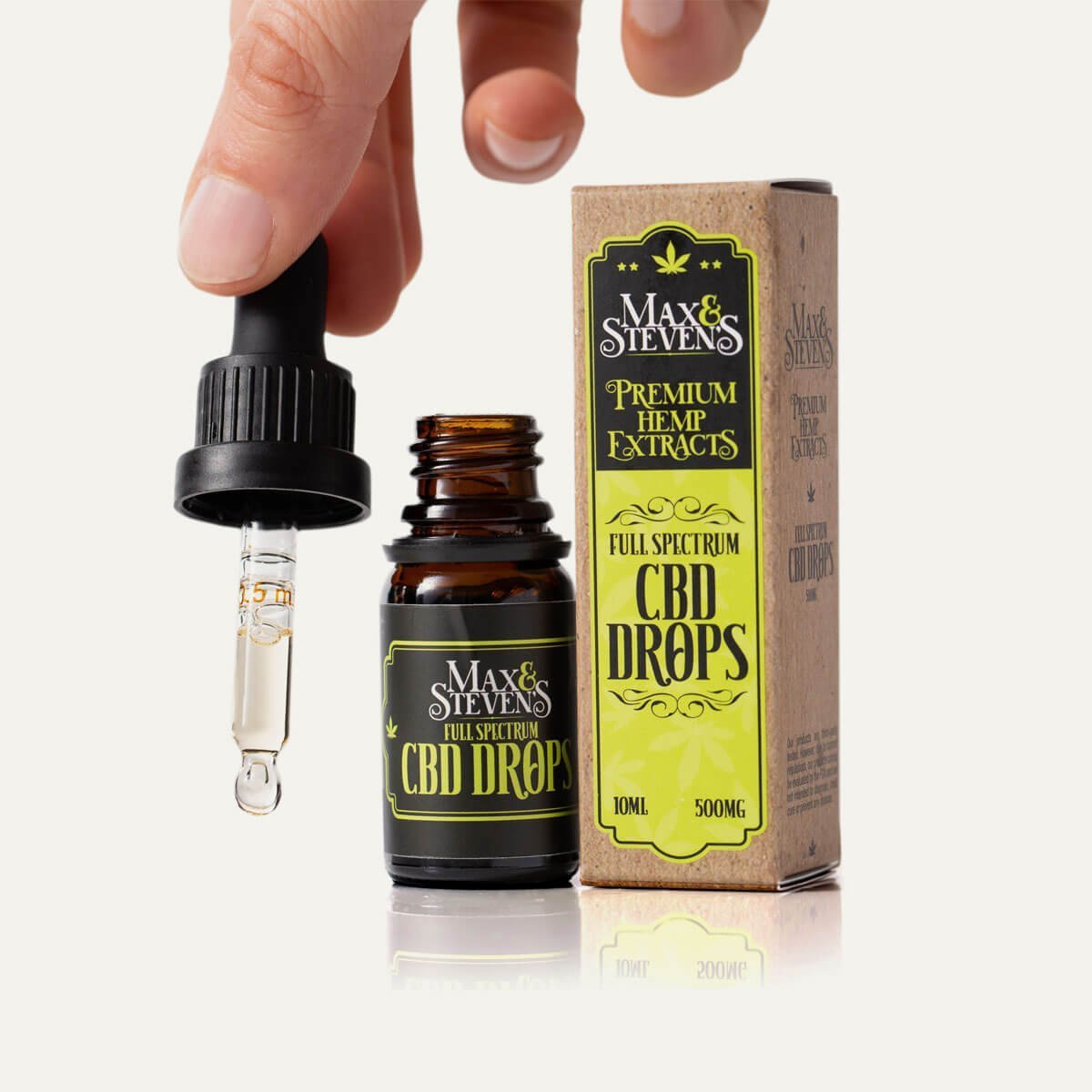
gift of wellnessSometimes our bodies need a little help recovering. Hemp products, or products made with CBD extract, have been shown to be beneficial, safe and effective at improving multiple conditions. Some of these include stress, anxiety, insomnia, chronic pain, inflammation, muscle recovery and migraine headaches.

So what makes this CBD product so special?

Unlike CBD cream, Max and Stevens drops can be taken both under the tongue AND used topically. When used topically, the drops help to reduce pain and inflammation locally. When used sublingually (or under the tongue) they helps reduce pain and inflammation systemically. As well, drops under the tongue can help with stress, anxiety and sleep.

The hemp extracts used in the Max & Steven’s product are derived from premium, organically farmed hemp. They are grown and harvested by hand in North Carolina then very carefully extracted to retain the fullest possible expression of the whole plant. So with these CBD drops, you are getting more of the whole plant. The CBD drops are certified by third-party laboratory reports and have been proven safe and free from any heavy metals, pesticides, mycotoxins and residual solvents.

At our office, we’ll show you how to measure on the dropper, determine the dosage and how apply the product topically.


The gift of….relaxation!

Product: Massage Wellness Package

Price: $360 for six-60 minutes massages, $540 for six-90 minute massages

massage for pain reliefThe benefits of a massage are well known. Many folks don’t realize is that getting a massage regularly can do more for the body and spirit than a one-time massage for relaxation.

Regular massage can help healing and pain relief happen faster. Massage improves blood circulation. When you have more efficient blood circulation, oxygen and other nutrients are distributed throughout the body better. This helps in repairing tissue and hastens the recovery process.

By giving the gift of a package of massage therapy treatments, you can help a loved one truly be on their way to reduced pain, lower stress and of course, relaxation! Your recipient will have a year to use their massage wellness package. And if you’d rather use the six massage gift certificates to gift six people with massages, you absolutely can!

We hope these gift ideas help you spread wellness with the loved ones in your life. And take time to relax, reflect and enjoy this holiday season once the hustle and bustle has resided. Your body and mind will thank you!

Happy Holidays!

Dr. Sharman

The Difference Between Being Thankful and Grateful

We’re all about to sit around the table with family and friends as the Thanksgiving season is upon us. It’s easy to look around and say that we are thankful (many of us do this as a tradition along with the turkey dinner). We may feel thankful for the presence of those in our lives, and glad to see everyone since the last big meal. However, is being thankful the same as being grateful? And does “thankful” adequately express the deeper feelings we may have?

Contrary to what many may think, there is actually a difference between being thankful and grateful.


What does it mean to be Thankful?

The textbook definition is that “thankful” means being conscious of benefits received. The person receiving the benefits has an awareness of a beneficial gesture…and responds as such. Often, it’s automatic, such as saying “thank you” when someone does something nice or helpful. It’s an expression of appreciation for something another person has done for you. It’s more about the act itself (and how you feel about it) than the person doing the act.

Thankfulness is often tied to politeness, with society and many a child’s upbringing conditioning people to express thanks for a kind act – either instantly (with words) or later (with another form of communication: email, card, phone call).

We tend to think of thankfulness as something that lasts for a short moment, often with little thought given to the act again once thanks has been shared. Showing that one is thankful is often easy to do, as it is a surface-level response. Few think of being thankful as something hard to do. Most consider it pretty simple.


What does it mean to be Grateful?

Dictionaries define being grateful as having a sense of thankfulness that comes from a feeling within, rather than a social norm response to a kind gesture. Being grateful, or having “gratitude” can be directed at not only people you appreciate but things that you feel have been of great assistance in your life.

For example, you can be grateful for your car that has supported you as you worked your way through college and achieved your degree. And you can be grateful for people like your mother who gave you guidance and good advice over the years. Both are worthy of gratitude! And this feeling comes from a deeper place within yourself and/or your heart.

difference between being thankful and gratefulGratitude is often much more memorable than thankfulness. It can last a long time. When you feel gratitude, you can have that sense of appreciation for many years. Gratitude often encompasses shared experiences, love, commitment and devotion with special people in your life. For many who focus on gratitude regularly, it is a way of life…a state of being.

RELATED: Attitude of Gratitude

When you feel grateful, you can express it without words or any physical action. And it goes beyond thankfulness, although that is often the first step that grows with time into a lasting feeling. Often, being grateful makes you willing to sacrifice time or money and go the “extra mile” even when no one is requiring this of you. It’s something you simply do willingly.


Why both are worthwhile

It’s not wrong to be thankful and express it. Random acts of kindness, as well as intentional acts of kindness, occur every day…and it’s important to express our thanks for it. And not just because society suggests that it is the “polite” thing to do. Rather, thanking people for kind gestures creates a positive feeling within us and can, with time, foster true gratitude for people in our lives.

So yes, there is a difference between being thankful and grateful… and it’s fine to be thankful. At the same time, we should strive to feel grateful, as gratitude is part of how we make sense of our lives and the people within it. When we keep it in the forefront, we are able to credit our loved ones with the appreciation they deserve. By striving to make gratitude a discipline, many things such as time spent with loved ones, takes on a new depth of meaning.

Try making gratitude something you focus on and practice in a deliberate way…whether it is expressed outwardly or felt inwardly. It will change you and the relationships in your life for the better! Happy Thanksgiving everyone!


Dr. Sharman

What to look for in a good sunscreen

Sunburns hurt – and hurt you long-term. So sunscreens are an imperative…and knowing what to look for in a good sunscreen is important.

The good news:  The FDA is finally proposing big changes that address many of our concerns, and should make all sunscreens safer and more effective.

The bad news:  The changes won’t impact sunscreens you’ll be buying THIS year.

Each sunburn causes irreversible damage to your skin that accumulates over time. It adds wrinkles and brown spots, making your skin age before its time. And each burn increases the risk of skin cancers and melanoma. I recommend following the sunscreen guidelines published by the Environmental Working Group (EWG), an American activist group specializing in research and advocacy in the areas of agricultural subsidies, toxic chemicals, and drinking water pollutants.

So while many of the FDA changes aren’t being applied to products on the shelf right now, you can still use the EWG (and my) guidelines when purchasing your sunscreen products this summer. Here’s what you need to know.


Qualities of a good sunscreen

Choose the right active Ingredients

For a long time, the FDA offered no assurances that the ingredients meant to provide protection from the sun were tested for safety and efficacy. However, it has for the first time conducted and published the results of testing for the active ingredients in sunscreen to determine two things: 1) rate of absorption through the skin and 2) health impacts that may result from exposure to those ingredients.

Based on this testing, only two active ingredients have been deemed safe – titanium dioxideand zinc oxide. The FDA recommends that the other 12 commonly used active ingredients require further testing.


Select an appropriate SPF rating

You’ll notice sunscreen on the market with a listed sun protection factor (SPF) of over 100 these days. However, bigger is not better. The FDA found that higher SPFs do not show additional benefit – and may provide a false sense of security. To counter this, the agency proposes limiting products’ SPF claims to 60+. Previously, the FDA had suggested a cap of 50+. This is what the Environmental Working Group (EWG) recommends. I do as well, and also recommend going no lower than SPF 30.


Include broad-spectrum protection

You should look for sunscreens that offer what’s termed “broad-spectrum” SPF protection. This means that the sunscreen protects against both UVA and UVB rays. It’s a way of indicating the magnitude of overall protection offered by a sunscreen. All sunscreens provide UVB ray protection but not all are “broad-spectrum” or provide UVA protection. You need both.

The FDA is proposing new test that changes the method used to evaluate sunscreens’ broad-spectrum UVA protection. The EWG has found that 25% of SPF products would not pass with the new testing without changes to formulation.


Understand water resistant/water proof/sweat resistant

Labels can get confusing! But just know that no sunscreen is actually water proof or sweat resistant. Sunscreen labeling is not allowed to use either term. However, water resistant is allowable provided that the manufacturer specifies how long it lasts while swimming or sweating. So choose water resistant but make sure you reapply every two hours at a minimum (more often if you are toweling off, which removes sunscreen).


Pick the right application

Spray applications are on the rise – but in general, I do not recommend them. First, there is the concern that users miss many parts of their bodies with sprays, resulting in inadequate coverage. Second, there is concern that inhaling sprays could cause health issues, particularly if some chemicals make it deep into the lungs.

As well, the FDA is making several proposals around sprays to better protect consumers, including banning sunscreen/bug repellent combination products. My advice is to stick with lotions to ensure better coverage and zero inhalation risk.


Chemicals to avoid in a sunscreen

Sadly, sunscreens have always had carcinogens that people were unaware of. Many have been removed over the years, but a couple are still out there in products on the shelves this year. You should avoid products containing either oxybenzone or retinyl palmitate.

Oxybenzone is a potentially hormone-disrupting chemical that is readily absorbed through the skin in large amounts. It has been detected in bodily fluids including breast milk, amniotic fluid, urine and blood. Some people have had an allergic reaction to this chemical. It is found in two-thirds of sunscreens on the market today. Children are at an event greater risk to harm from oxybenzone because of higher absorption and accumulation of it within the body.

Retinyl palmitate is form of vitamin A that may harm sun-exposed skin. It has the potential to speed up the development of skin cancer. Enough said!


Protection and prevention

Besides selecting the right sunscreen, you can do a great deal to protect your skin simply by covering your skin and getting in the shade. If you must be outside, wear clothing and a wide-brimmed hat to cover as much of your skin as you can. Don’t forget about your eyes too! You’ll want sunglasses that block at least 99 percent of UV light.

The shade is your friend – particularly between 10 am and 4 pm when UV rays are the strongest. Taking a break if you are outside for extended time and giving your skin a “rest” from sun exposure is always a good idea. This will also help you avoid heat stroke, which is common this time of year.

Finally, steer clear of tanning beds and sun lamps. They are just so bad for us. Both can cause serious long-term damage to your skin and contribute to skin cancer.


Long-term how you know your skin is ok?

In adulthood, we should all make sure to schedule an appointment annually with our Dermatologist to do mole and skin checks. By checking your skin each year, a physician can determine if there are any major changes in your skin that could be precancerous. And your physician can counsel you on sun exposure and whether or not you are getting too much.

Please be safe this summer…and take care of your skin!

Dr. Sharman

Vitamin B12: Are you deficient?

Would you be surprised to learn that 92% of the U.S. population suffers from a vitamin or mineral deficiency? It sounds crazy, but it’s true. And vitamin B12 is one of the deficiencies most overlooked.

If you are over 50 and reading this, about 20% of you are deficient in vitamin B12 – but it’s not just older adults that are impacted. In general, there is a lack of knowledge of the warning signs of a deficiency and late detection…so folks of all ages may be overlooking a deficiency in this important vitamin.

Why should you care about B12?

For starters, the human body doesn’t make vitamin B12 – so all of us must get this nutrient from our diet. We also can’t store it up, thus we need to consume foods that contain it on a regular basis. Adults need around 2.4 micrograms (mcg) of vitamin B12 each day.

But what does B12 do for us? Plenty!

It is crucial for making DNA and red blood cells and carrying out other functions, such as helping to support the nervous system. And while the optimal situation is to get B12 from our diet, the reality is that many of us don’t eat enough of the correct foods to get the amount of this vitamin we need each day. The chart below shows some of the best food sources for vitamin B12, but if we don’t eat enough of these food categories regularly, a supplement may be needed.


Vitamin B12 deficiency


Am I at risk of not having enough vitamin B12?

To know for certain, you should ask your medical provider to run a test to see if you are indeed deficient in B12. In general, there are some individuals at a higher risk for a B12 deficiency.

  • Vegetarians, older adults, pregnant or breastfeeding women*
  • Individuals who have recently had weight loss stomach surgery
  • Sufferers of Crohn’s or celiac disease
  • Individuals with pernicious anemia
  • Individuals on prescribed heartburn medications, which impact vitamin absorption
  • Alcoholics or recovering alcoholics – alcoholism causes damage to the gastrointestinal lining, where the vitamin is absorbed and distributed

*If you fall under one of these categories, consider getting your levels checked for an early diagnosis.

Why vegetarians? Well, since animal proteins are one of the best sources of B12, vegetarians are automatically missing out on a regular source of B12. The reality is that non-meat eaters have to work harder than the general public to get enough food sources of B12 and avoid the need for a supplement.


What are the signs of a possible B12 deficiency?

There are many signs of a possible deficiency, but keep in mind that these signs could also signal other conditions. A check of your B12 levels, once some of these signs appear, is the best way to know if your symptoms are related to this deficiency or some other cause.

Be on the lookout for the following symptoms:

  • Tingling hands/feet or “pins and needles” sensation (People who are vitamin B-12 deficient may not produce enough myelin to coat their nerves. Without this coating, nerves can become damaged.)
  • Trouble walking due to numbness
  • Jaundice (yellowish, pale skin)
  • Fatigue or weakness due to not enough red blood cell production
  • Fast heart rate and shortness of breath (making up for reduced number of red blood cells
  • Mouth ulcers, swollen tongue, burning sensation in the mouth
  • Cognitive impairment, perhaps due to reduced oxygen getting to brain
  • Irritability
  • Nausea, vomiting, diarrhea (not enough oxygen reaching the gut)
  • Decreased appetite


How could B12 benefit me?

The benefits are many when your levels are low. If you are not deficient in B12, you may not experience these benefits .


Pregnancy
Taking vitamin B12 during pregnancy has been proven to mitigate birth defects.


Supports healthy skin, hair, nails
Since low vitamin B12 levels can cause various dermatologic symptoms, adding B12 can improve those conditions. Hyperpigmentation, nail discoloration, hair changes, vitiligo (the loss of skin color in patches) and angular stomatitis (inflamed and cracked mouth corners) are all common with B12 deficiencies.


Better sleep/energy
Vitamin B12 assists in melatonin production, a hormone responsible for sleep regulation. It also aids in glucose metabolism, which can boost your energy levels.


Improvement to brain function/mood
One of the vitamins essential in the production of serotonin, the brain chemical responsible for mood regulation, is B12. Supplementing B12 may help in lessening the effects of depression, but I always recommend that you consult with a health practitioner to help you deal with depression symptoms.

Studies show that patients who have lower levels of B12 have an increased risk for brain volume loss, particularly as they age. Adding a B12 supplement can boost the production of neurotransmitters, which help our cognitive functioning and memory.


Aid to digestion
If you struggle with digestion issues, you’ve likely learned about the importance of “gut” bacteria. Vitamin B12 helps the production of necessary digestion enzymes, fostering healthy bacteria production needed to break down foods and support a healthy metabolism.


Other benefits
Many folks boosting their vitamin B12 levels – either through foods or supplements – have experienced other benefits. While there is still a lot of research around these benefits, it’s worth noting that if you are deficient, B12 may:

  • Support bone health and prevent osteoporosis
  • Assist in maintaining heart health
  • Reduce macular degeneration


So what are your best ways to get B12?

First, I always recommend getting your levels checked. If you are deficient, you can always increase your intake of foods high in B12. However, a serious vitamin B12 deficiency can be corrected two ways: weekly shots of B12 or a daily high-dose B12 supplement. A mild deficiency can be corrected with a standard multivitamin.


Final thoughts

If you fall into a high-risk category for a deficiency in vitamin B12 or any other vitamin (vitamin D is another one where folks are often deficient), talk to your health provider and get your levels checked. If you aren’t high risk but you are having some of the deficiency symptoms noted, you should also talk with your health provider. Deficiencies are so common…and often overlooked. A level check is easy – and could be a huge difference maker in your health! Call our office to schedule one and a vitamin consultation with me.

Dr. Sharman

Understanding the seven dimensions of wellness

When someone mentions “wellness”, what comes to mind?

For many, they think of wellness as simply one’s physical health. Most of my patients think about eating right, exercising and getting enough sleep. While these are important, they are not the only aspects of wellness.

True wellness is a complex integration of components that all contribute to your total wellbeing. When one component is out of whack, it can affect how you feel both physically and mentally. Long-term, having a wellness component off-balance can impact your ability to thrive. As a chiropractic and wellness center, a holistic approach to wellness fits within our mission for our patients. The seven dimensions of “wellness” do a great job of articulating this approach – so let’s learn more about them.
[su_spacer]

Where the dimensions came from

The model of wellness was originally developed in 1976 by Dr. Bill Hettler, co-founder of the National Wellness Institute in the US. Hettler’s model included six dimensions, with a seventh dimension (environmental) added by researchers later. Some models even include an eighth dimension, financial. Later, researchers embraced the idea of a “wellness wheel” for assessing your personal wellness. I actually filled one of these out in a workshop once.

Download your own Wellness Wheel

[su_spacer]

Seven dimensions of wellness defined

Here is a quick explanation for each dimension and some tips for what you can do to focus on that dimension of wellness.

Physical – encompassing all the behaviors to keep your body healthy….nutrition, rest, exercise but also abstaining from harmful habits and getting regular medical checkups

Some things you can do:

  • Get adequate sleep for a person of your age and feel rested the next day
  • Eat a varied, healthy diet including anti-inflammatory foods
  • Monitor and maintain a healthy weight for your age and height
  • Stay active and exercise frequently each week
  • Monitor health through regular doctor visits and proactively deal with any health issues

[su_spacer]

Emotional – being aware of and managing your emotions, maintaining a mostly positive view of yourself and others and feeling equipped to deal with life’s challenges

Some things you can do:

  • Both search out support for yourself and provide support to others
  • Gain perspective and manage your feelings during stressful times
  • Express your feelings honestly but appropriately
  • Seek the positive and find joy in everyday life
  • Be open to self-improvement and reflection

[su_spacer]

Spiritual – holding a guiding set of principles that provide a sense of purpose or direction to your life

Some things you can do:

  • Spend time alone to reflect, pray or meditate regularly
  • Seek an overall sense of peace and wellbeing
  • Listen with your heart and live by your principles
  • Allow yourself and others the freedom to be who they are
  • Forgive yourself and others and let bygones be bygones

[su_spacer]

Environmental – an awareness of your world, how you interact with it and your impact to it

Some things you can do:

  • Focus on what you can do to care for and show respect for the environment
  • Continually work towards a more eco-friendly lifestyle
  • Educate yourself on environmental issues so you can do more to impact them
  • Take on new ways to reduce, recycle and reuse
  • Connect with nature…and appreciate what it has to offer

[su_spacer]

Intellectual – using your mind, stimulating your brain, learning, being creative and actively seeking out new information daily

Some things you can do:

  • Pursue mentally stimulating interests or hobbies
  • Seek out people who challenge you and expand your thinking
  • Learn new things through reading, taking a course or participating in a workshop
  • Commit time to professional and self-development
  • Set intellectual goals for yourself

[su_spacer]

Occupational – making use of your skills and talents in a profession that provides satisfaction, rewards, purpose and happiness in your life

Some things you can do:

  • Explore a variety of career options until you find a good fit
  • Map out a career vision for yourself, setting goals along the way
  • Create a balance between work and other areas of your life
  • Be open to career changes and learning new skills
  • Seek a career that suits your personality as well as skills and talents

[su_spacer]

Social – having relationships that allow you to feel connected, developing intimacy and creating a support network of family and friends

Some things you can do:

  • Increase the amount of time you spend in social settings
  • Communicate your thoughts, feelings and ideas courageously
  • Get involved in activities that create social opportunities with people
  • Practice respect and cultivate new, healthy relationships
  • Join groups to create a sense of belonging and comradery

[su_spacer]

Final thoughts

Most of these dimensions interact with and even overlap with one another. Your job is to check in with yourself to assess how you are doing on each dimension from time to time. You won’t always be in balance across all seven – that’s ok! However, by reflecting on all dimensions, you’ll be able to identify ones that you need to give more attention to. Our wellness wheel should help.

So make true wellness your goal! Understanding these dimensions and monitoring your balance is the first step. As always, Dr. A, myself and the staff of Life Care Chiropractic and Wellness are here to help in whatever way we can.

Dr. Sharman

An Alternative to the New Year’s Resolution

This is the time of year. We start hearing about them. Our friends are making them. We may be making them ourselves. What am I talking about?

New Year’s Resolutions.

Am I hearing a collective groan? If so, I’m right there with you!

One reason I’m not a fan of the stereotypical resolution at the beginning of each year is that we often set ourselves up for failure due to:

  • Unrealistic goals
  • Unachievable timeframe
  • Lack of a support system

Research shows that only nine percent of us who make resolutions feel successful in reaching our goals. When we don’t achieve what we resolved to, we often cannot see any accomplishment we may have made….just the fact that we fell short. How does this really help? It doesn’t.

In looking for a better approach to the New Year’s Resolution, I found that many creative, compassionate, intelligent people have come up with some amazing alternatives. There are better ways to improve our lives without the self-guilt that comes with falling short of the goal. I’m very excited to share these alternatives with you – and to hear back from you about the ones you like the best.


30-Day Challenge

Set a specific daily objective for a 30-day timeframe. If you are so inspired, come up with 12 different ones (one for each month of the year). The first one can be basic – like decluttering. What action would you be taking each day in January to declutter? It could be throwing away, donating or selling five items per day. At the end of the month, celebrate your accomplishment and decide if you want to take on a new challenge (or skip a month and pick back up in March).


Find Your People

Instead of committing to a new activity, commit to the people you want to spend time within your life. Make a list of who brings out the best in you. Who adds value to your day. Who makes you laugh and improves your mood? Get the list down to about five-eight people and plan how to spend more time with them. It could be monthly coffees, weekly walks in the park, weekend trips or even just regular hangouts at your place. Be intentional – and spend quality time with “your people”.


Decide What to Track Rather Than Pick a Goal

This one is very interesting to me! Instead of a goal, you’ll decide something to track in your life. It could be how you spend your money, what you eat (food log), how much you use social media…anything. The idea is to decide on your metric and what you’ll measure rather than a measurement goal. A goal may evolve out of it, but in the beginning, you focus on tracking. And perhaps the act of tracking will result in the implementation of a goal (like weight loss).


Focus on Gratitude

Practicing gratitude regularly can have an amazing impact on your life. Start by making a list of things you are grateful for, then think about why. Reflect on this list as well as what doesn’t make it on the list (that can be equally insightful). Then make a list of people you are grateful for. Write each person a note sharing why you appreciate having them in your life (without expectation of a response). Go through this exercise as often as you like throughout the year and see how good it makes you feel!


RELATED: Attitude of Gratitude


Pick a Word of the Year

Find a word to serve as the inspiration for the new year. The idea is that this single word will give you clarity and help you focus in a particular direction. To get to the word, make a list of all kinds of things you’d like to accomplish throughout the year. You should see a theme come to light that can be encapsulated in a single word: joy, relaxation, friendship, discipline, wellness, etc. Whatever it is, that word can be your guide for the new year. Make a poster for your room, write it on your bathroom mirror, buy a keychain with the word on it – then commit the year to that word!


Do an Experiment Each Week

Decide to make the new year a year of curiosity rather than difficult change. Establish weekly experiments to encourage you to step outside your comfort zone, try a new activity or discover a new passion. One week you can talk to five strangers to see what happens (new friends, new perspectives). Another week you can decide to do your exercise before work instead of after by going for a brisk walk in the morning. Another you can taste a new food each day to try to expand your diet (you may actually love Brussel sprouts and not know it!). This approach lets you try out a variety of things to decide which ones you want to keep going with. You never know what you may discover about yourself… and what you want to become a permanent habit.

In conclusion, don’t sweat the New Year’s Resolution, and please don’t think you have to do it like everyone else does! There is no one right way to make a change in the new year. Try one of these options – and be sure to let me know which ones you like!


Dr. Sharman


Resources for this article (and more good ideas not mentioned):
https://www.inc.com/amy-morin/5-alternatives-to-a-traditional-new-years-resolution.html
https://daringtolivefully.com/new-years-resolutions-alternatives

The public health epidemic you should know about

I don’t throw the words “public health epidemic” around lightly, but I do feel that we have gotten to that point with this health issue. I see it every day in my practice as well as in my community…and it has gotten dramatically worse in the 20 years I’ve been practicing chiropractic.

That public health epidemic is poor posture in children.

When I started practicing, chiropractors were mainly talking about children’s backpacks being too heavy and the impact of the added weight on kids’ posture. Although that is still an issue, now the main culprits of poor posture in children are the use of electronic devices and poorly developed postural muscle tone, due to the sedentary lifestyles of today’s kids.

Why posture is important – in children and adults

Before we get into the causes and ways to improve poor posture, I want to spend a moment on why good posture is critical for children – and really anyone.

When we have good posture, it keeps us in proper alignment, preventing abnormal wear and tear on our bodies. It also reduces the likelihood of injury. With good posture, our muscles work most efficiently and correctly, reducing strains and overuse.

There are even more profound effects of poor posture – ones that most people are completely unaware of.

  • Studies have shown that slouching reduces lung capacity. People with an exaggerated rounding of the back, or kyphosis, can reduce their lung capacity up to 30 percent!
  • Head-forward posture elongates the spinal cord causing a reduction in nerve conductivity.
  • Your muscles need to work harder when your head is forward as well. Every inch your head leans forward creates 10 additional pounds of weight for the muscles to support in keeping your head upright. Think of the difficulty of holding a bowling ball far away from your body in front of you versus holding it close to your chest.
  • Finally, there are some psycho-social aspects to poor posture. Studies even show that having bad posture can impact your mood (and improving your posture can make it better).


RELATED: Poor Posture Can Equate to Neck Pain

Causes of poor posture in children

The obvious one is overweight backpacks. At the same time, children today are slouching to look over electronic devices for long periods of time and leading sedentary lifestyles that contribute to poor muscle tone. Finally, stooping to bend when trying to look “less tall” and female development of breasts during puberty also contribute to poor posture habits.

Ways to improve posture

For starters, make sure your child’s backpack is no more than 10 percent of their body weight. Kids have been dealing with heavy backpacks for years, and there are some basic things they can do to lessen the load.

If your child has a computer or laptop station, make sure it is set up to be ergonomically correct. Investing in a quality chair at their computer desk will encourage better sitting posture.

If they do spend a lot of time on iPads, smartphones or other electronic devices, find ways for them not to slouch. They can stack pillows on their lap and rest their elbows on them to bring the device higher up.  You can encourage them to sit on a stability ball while they play video games or browse their devices so that they are at least activating their core muscles while they entertain themselves. Of course…. limiting their screen time will also help!

Most importantly, if your child has bad posture, know that it can be improved. I have seen many children go from poor posture to normal posture through chiropractic and postural exercise. We have great protocols in our office to make improving posture both fun and satisfying for children of all ages. I cannot tell you how wonderful it is to see a child’s confidence improve right along with their posture!

The American Chiropractic Association has a lot to say about posture – check it out.


Dr. Sharman


Practical Advice So You Can Keep Up Your Immunity 

Why is it harder to stay well during the winter months? There is a reason they call this the “cold and flu season”.

When the weather turns cold, we spend less time outdoors and more time indoors – in close quarters where the cold viruses of people get recycled through the air. Flu viruses are more stable in cold air, and the low humidity of the winter months helps those virus particles remain in the air.

With these factors at play, it’s even more important than other times of year to focus on keeping your immune system working to fight off illness.

How can you do this? For starters, let’s all get on the same page regarding how our immune systems work.

How it all works

Your immune system is a complex system of cells and tissues that protect the body from harmful foreign substances.  These cells and tissues include the tonsils, thymus gland, spleen, lymph nodes and corresponding vessels and white blood cells. Your immune system is working overtime each day fighting against environmental toxins, abnormal or cancerous cells within your body and viral and bacterial germs that you may have come in contact with.

You are exposed to germs on a daily basis. That’s a fact of life that won’t change unless you decide to live in a bubble or never leave your home (or let anyone else in!).

The difference between getting sick and not getting sick is whether your immune system is strong enough to fight these germs before they proliferate enough for you to come down with the cold, flu or bacterial infection. The key to not getting sick resides within both long-term and short-term strategies for building up your immune system.

Long-Term Immune Boosting

keep up your immunityKeep in mind…the immune system is a complex system. Being such, it doesn’t get stronger with a few weeks of immune-boosting activities. However, a longer-term, healthy lifestyle can do wonders in cultivating a strong immune system. It’s not as hard as you think, but with our hectic lifestyles, we often fall down on the fundamentals. By being intentional with a few things over time, you will see a difference. Start with a focus on:


Healthy Diet – The optimal way to keep your body healthy is to eat a healthy, anti-inflammatory diet that is full of nutrient-rich fruits and vegetables, as well as lean protein. Limiting processed foods, pro-inflammatory grains and refined carbohydrates is also helpful.


Water – Drinking enough is essential for your cells to function properly. Staying hydrated is a boost to your immune system in that water helps produce lymph. Lymph carries your white blood cells throughout the body to fight infection. So by drinking enough water, you’re creating the right transportation system for your body’s best infection-fighting tool (your white blood cells).


Exercise – Physical exercise has the potential to help remove bacteria from lung tissue and airways. Exercise also helps circulation within your immune system and can even cause favorable changes to your antibodies. The brief rise in body temperature from exercise can also kill germs. Finally, it also helps reduce immunity-lowering stress hormones.


Stress – The more your body perceives stress, the higher the levels of cortisol within. Cortisol lowers your body’s immune function, or ability to fight illness. Therefore, finding ways to bring balance and harmony into your life can do wonders for your immune function.


Rest – When you sleep, helper T cells, beneficial to your immune response, peak in production. Studies show that sleep deprivation lowers T cells and raises pro-inflammatory markers in the body. Sleep is also the time when your body has a better ability to produce fever, which helps to fight infection. So as simple as it sounds, sleep is one of your best tools for building up your immune system.


Vitamin D – Besides the many other benefits of Vitamin D, maintaining optimal Vitamin D levels helps to fight against viral infections such as cold in flu. Optimal Vitamin D levels are between 50 and 70 ng/ml. If your diet isn’t providing enough of this essential vitamin, consider adding a daily supplement.


RELATED: Getting in the “sweet zone” with Vitamin D


Vitamins A, C, E and selenium – These are very powerful antioxidants and immune stimulators.


Probiotics – Having healthy gut flora helps to strengthen the immune system and fight against infections. To improve your gut flora, take probiotics and eat fermented foods such as kefir or one of these recommendations.

Short-Term Immune Boosting

keep up your immunityYou tried your best to maintain a healthy lifestyle but your schedule and stress level got away from you. Now you find yourself sick!  What should you do?

  • Keep your air humidified. Keeping your air passages moist will help your airways to heal faster. Even better, inhale some steam with a drop or two of pure Eucalyptus Oil.
  • Drink a lot of fluids in order to keep you hydrated and to thin your mucus. Try adding two teaspoons of apple cider vinegar to your water. Apple cider vinegar helps to thin your mucus.
  • Sleep, sleep, sleep. Remember, your immune system is more active during sleep.
  • Use a saline wash or neti pot to help rinse the congestion, dust, pollen and mold from your nasal passages.
  • Take 1000 mg of Vitamin C daily.
  • Take zinc lozenges throughout the day. Studies show that taking zinc during a cold can speed up the recovery time by three times!

By employing long-term tactics year-round and using short-term tactics when you do get sick, you can minimize the frequency, extent and duration of your illnesses. If this advice makes sense, please make sure to share this with your friends and family – so everyone in your life can benefit and STAY WELL this season!


Dr. Sharman

What you can do to make injuries heal faster

You have an injury or flare-up. Your doctor prescribes a regimen of treatment to get you back to where you were before. The first thing you likely ask is “how long will this take”?

It’s very natural to ask this question. When patients come in to me suffering from pain, they are frustrated by how much it interferes with their life.

The pain makes their work day difficult, interferes with the housework, makes it difficult for them to lift their children or grandchildren, restricts them from their favorite sport, messes up their travel plans or interferes with their personal life.

More than anything, patients just want to get back to their normal life as fast as they can. So, if this is you, what can you do to make injuries heal faster and impact your recovery? Plenty.


Getting enough care and being compliant with your treatment plan

For starters, a treatment plan needs the frequency of care and compliance. You can impact both of these.

As a patient, it usually is going to take about 12 visits to make a significant change in your pain level and mobility. You may find that you are feeling much better in about six visits, but to get to normal activities, it usually takes at least 12 visits. Typically, the more often you come, the faster you will get well. In a perfect world, if you are in severe pain, you would come in three times a week. But I realize that is not always realistic due to schedules or finances. If you can come twice a week, you can still make pretty good progress. Less than that and progress is going to be slow – too slow for most people.

You can also impact how well you comply with treatment. Sticking with the full course of care really matters. It is like taking an antibiotic – you don’t want to take antibiotics unnecessarily, but when you are in crisis and have to take them, you have to finish the whole course of medication. You cannot take a 10-day antibiotic for two or three days and expect the infection to go away. It is the same with the treatment. You may feel a little better after one or two treatments, but you are not stabilized to a point where the pain will stay away for good.


Approaching the problem from multiple angles

You can often speed up your recovery by implementing more than one approach. That’s one of the reasons we offer so many different services to tackle recovery.  If you have a herniated disk and you sit at a desk all day, I’ll recommend stretching and strengthing your postural muscles, especially strengthening the core. If we only use chiropractic manipulation, you will improve, but you would improve much faster if we add in therapeutic exercise. I may even suggest massage therapy, electric stimulation or ultrasound to reduce muscle spasms and inflammation. A multi-faceted rather than single-faceted approach generally results in faster recovery.


make injuries heal fasterUsing nutrition and supplements

At our office, we carry a variety of vitamin and supplementation products to reduce pain and inflammation, helping to speed up healing. One of my favorites for acute injury is Zymain. Zymain includes enzymes that help your body break down the compounds in inflammation that stimulate your pain fibers.  Zymain helps to metabolize and “process out” the pain stimulating compounds. As well, I can educate you on the types of foods that increase or decrease inflammation so you can make better choices.


Home care

What you do at home matters when it comes to making injuries heal faster.

For acute pain, ice can be your best friend. Unfortunately, many patients don’t really understand how to use ice properly. Do not wrap ice up in kitchen towels where the cold doesn’t penetrate deep enough to therapeutically affect the tissue. Instead, use ice or an ice pack with nothing but a thin t-shirt or a few paper towels between the ice and skin. Ice the injured area for 15 to 20 minutes, first feeling cold, then burning, then numb. Ice for 15 to 20 minutes on, 15 to 20 minutes off, alternating for 60 to 90 minutes. This allows the blood vessels to alternately constrict and dilate, pumping out inflammation. Heat can relax muscles but increase inflammation – so ask before you use it at home.

Other important areas of home care include doing home exercises, changing techniques for activities of daily living and getting proper support for sleeping, driving and sitting at a computer station. I can make recommendations for all of these as a part of your treatment plan.

The good news is that the body is more resilient than you could ever imagine. By sticking to the frequency of care, completing the full course of care, approaching the problem with all available treatments, utilizing nutritional and supplement approaches and paying attention to home care, we can maximize the body’s healing potential. And if you do this, you can get back to doing all the things in life you love – what everyone ultimately wants!


Dr. Sharman


Photo at top by photo-nic.co.uk nic on Unsplash


How to Maintain Mobility as You Age

Maintaining mobility as we age might be one of the most important health goals we could have as we go through life. After all, movement is required to continue to enjoy our hobbies and activities, interact with the environment, maintain social connections, work, exercise and keep our brains healthy. What you’re probably wondering now is, how to maintain mobility as you age?

Let’s start by clearing up a common misconception that flexibility and mobility are interchangeable terms. They are not. Flexibility refers to the range of motion of a joint. Mobility, on the other hand, refers to the degree of function and control over that joint and its range of motion. An example could be that a person has the range of motion (flexibility) to bend down, but doesn’t quite have the control (mobility) to squat down and lift their toddler grandchild off the ground.


Focus Less on Flexibility and More on Mobility

One of my colleagues, Brian Morrison, D.C. lectures often on the subject of mobility. He once pointed out in a lecture that elite athletes usually have average flexibility but exceptional levels of strength, power, endurance and balance. He also talked about how the average person doesn’t need more range of motion (flexibility); just better performance and control of the range of motion that they have (mobility)… like elite athletes. The same thoughts could apply to maintaining mobility as we age.


Why do Mobility Issues Occur?

Basically, there are three causes of mobility issues:

  • Normal Aging – after the age of 30, we begin losing muscle mass, bone density and flexibility.
  • Poor Diet – our muscles and joints need the proper nutrition to function well.
  • Pain from Injuries – we often experience pain as a result of injuries from car accidents, sports, or repetitive stresses like sitting for hours in front of a computer.


[Related – The Importance of Chiropractic on Stress Relief]


Pain Avoidance Leads to Declining Movement

Once we begin developing pain in specific areas or joints, we may start to avoid certain movements or activities. This type of avoidance can lead to weakness, loss of control and stability, and decline in coordination and balance. Pain may start with an injury, but its continuance doesn’t always mean a joint or muscle should not be moved. Also, hurt does not always equal harm. So, it is not necessarily good to let the fear of pain cause you to move less and less.


Creating a Nerve and Motor Pattern Helps Movement

One of the keys to maintaining mobility is finding the right way to rehabilitate or condition the weak area. During therapy, we want a person in the zone of what we call “The Edge.” This means they should find the movement challenging, with little or no pain, and be able to keep good form. Here’s an example:

Let’s say a person has difficulty rising from a chair. Perhaps they are weak and it is painful in their knees and back. The typical exercise that would strengthen those areas and involve the right joints would be squatting. However, squatting is too difficult and painful. As a solution, we might have them stand by the back of their couch and flex at the hips pushing their butt back until it hits the back of the couch. They may be able to do this movement pain free and successfully while still feeling challenged working the muscles.

When this becomes easy, we may have them do this on a slightly lower target. After a period of time practicing, they may be able to squat, hitting their butt on the back of a chair. The next thing you know, they are able to get up and down out of a chair quite easily!

This works because performing a movement sequence well creates a nerve and motor pattern that makes it easier and easier to painlessly repeat. Nerves that wire together fire together! The alternative is avoidance, which leads ultimately to being more and more sedentary. That is no fun!


What Can You Do?

There are several things you can do to help maintain your mobility as you age.how to maintain mobility as you age

  • Chiropractic Manipulation – stimulates the brain to reset the perception of pain. It also turns down the part of our nervous system that perceives threat. Decreasing the perception of threat decreases the perception of pain.
  • Exercise Regularly – contributes to slowing both cognitive and balance decline in the elderly.
  • Reduce Stress – helps your body experience less pain and move well. The body produces cortisol in response to stress and cortisol inhibits the body’s own pain relieving neurotransmitters. Yoga and meditation are great ways to reduce stress!
  • Eat Well and Get the Right Nutrition – ensures you get enough protein to maintain muscle mass and strength, and enough vitamins and minerals for your bones and joints.


Remember, moving better keeps us engaged in life, prevents injury, relieves pain, slows the effects of aging and helps us to enjoy that mind-body connection. Hopefully, you now have better insight to answer the question how to maintain mobility as you age. Start working today on maintaining your mobility and you’ll enjoy the rewards later in life. If you’re already advanced in years, it’s never too late to start.